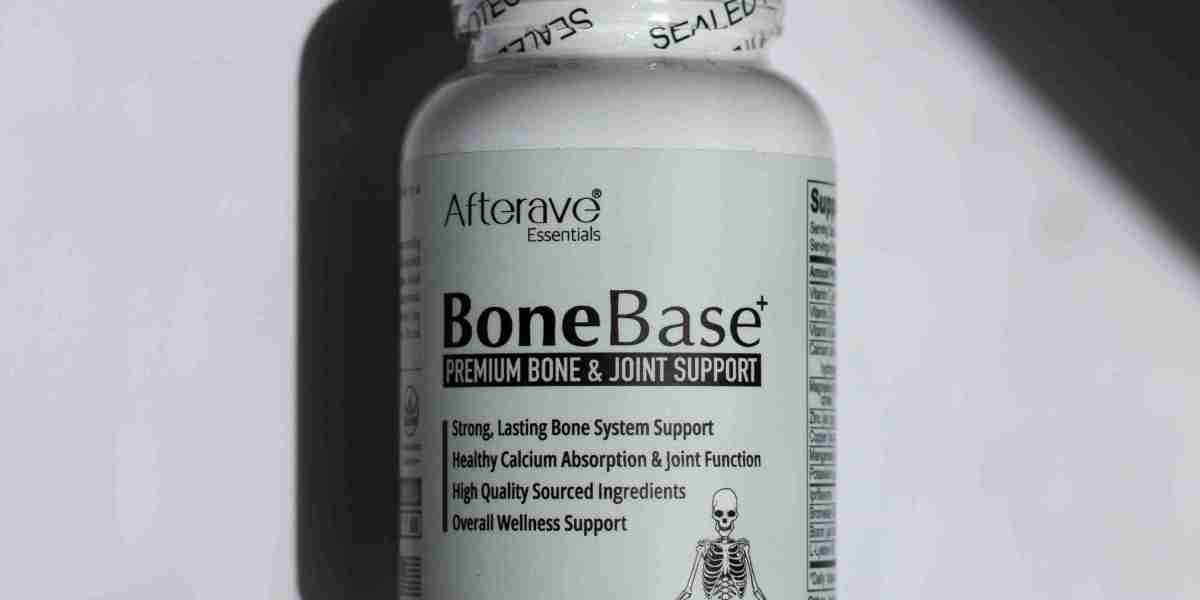

The UK bone joint health ingredients market reflects changing approaches to nutritional product development, ingredient sourcing, and consumer wellness. Manufacturers use a range of nutritional and specialty ingredients in products designed for people interested in supporting their overall well-being. These products may be available as capsules, tablets, powders, drinks, or ingredients incorporated into selected food formats. Businesses operating in this category must consider consumer expectations alongside ingredient functionality, manufacturing requirements, and the regulations governing product composition and marketing. The market therefore involves both scientific formulation considerations and commercial decisions about how products should be developed and presented.
An important part of this sector is the use of joint health supplement ingredients in formulations designed around specific nutritional objectives. Manufacturers may evaluate ingredients such as collagen, glucosamine, chondroitin, selected vitamins, and minerals according to the needs of the intended product. Ingredient suitability depends on its characteristics, the formulation as a whole, and the evidence supporting any proposed health-related claims. Careful product development helps businesses create formulations that are consistent, clearly labeled, and appropriate for their intended market.
The Influence of Wellness Preferences
Interest in personal wellness encourages consumers to explore products that fit their daily routines. Bone and joint health products may attract people who are interested in nutrition, physical activity, healthy aging, or maintaining an active lifestyle. However, consumer motivations vary, so manufacturers need to avoid assuming that every customer has the same needs.
Product format can influence purchasing decisions. Some consumers prefer tablets or capsules because they are easy to incorporate into a routine. Others may prefer powders or drink formats that can be used alongside meals or other beverages. Manufacturers can respond to these preferences by exploring different formats while maintaining the quality and suitability of their formulations.
Packaging and product information also shape the customer experience. Clear ingredient lists, understandable instructions, and accurate descriptions can help consumers compare products and decide whether a formulation fits their preferences.
Understanding Ingredient Functionality
Ingredients used in bone and joint health products have different properties and intended uses. Vitamins and minerals may be included to contribute to nutritional requirements, while specialty ingredients may be selected for particular formulation objectives. Their inclusion should be based on suitability, quality, and the requirements of the finished product.
Manufacturers need to assess how ingredients behave during production and storage. Factors such as moisture sensitivity, solubility, taste, stability, and interactions with other components can influence the final formulation. These considerations become particularly important when a product contains multiple ingredients.
Ingredient suppliers can help manufacturers understand technical specifications and handling requirements. Nevertheless, businesses remain responsible for ensuring that their finished products meet applicable quality and regulatory standards.
The Role of Research and Product Development
Product development involves evaluating ingredient choices, preparing formulations, testing product characteristics, and checking whether the finished product meets its specifications. This process helps manufacturers identify problems before products reach consumers.
Research can also help companies understand emerging consumer interests. Feedback about product formats, flavor, packaging, and ease of use may inform future development decisions. However, consumer preference research should not be confused with scientific evidence supporting a health claim.
Companies need suitable evidence for any claims made about a product's effects. Claims used in labeling or marketing must comply with the rules applicable in the UK. Responsible communication is especially important for products associated with health and nutrition because consumers may rely on product information when making purchasing decisions.
Manufacturing and Supply Chain Management
A reliable supply chain helps manufacturers maintain production continuity and consistent ingredient quality. Businesses need suppliers that can provide materials meeting agreed specifications and suitable documentation. Communication about ingredient changes, storage conditions, and delivery requirements can help prevent unnecessary manufacturing difficulties.
Manufacturers also need documented processes for ingredient receipt, storage, weighing, blending, filling, and packaging, where applicable. Appropriate procedures help maintain consistency and make it easier to identify the cause of a quality issue.
Traceability can support the management of ingredient and finished-product information. Businesses should maintain records that allow relevant materials to be identified and reviewed when required. These practices are particularly valuable when products contain several ingredients from different suppliers.
Opportunities for Product Differentiation
Product differentiation can come from formulation choices, convenient formats, packaging, and clear communication about intended use. Companies may explore products suited to different consumer preferences without making unsupported promises about their effects.
Manufacturers should also consider the complete customer experience. A formulation may contain carefully selected ingredients, but consumers also evaluate ease of use, clarity of instructions, and confidence in the brand. Attention to these practical details can help companies build more coherent product offerings.
Looking Ahead
The UK bone joint health ingredients market continues to present opportunities for businesses that understand both ingredient science and consumer expectations. Product development requires a combination of appropriate ingredient selection, reliable manufacturing, regulatory awareness, and effective communication.
Companies that make quality and transparency central to their operations can better prepare for changing consumer preferences. Continued attention to formulation performance, supplier relationships, and responsible marketing will remain important to the development of this product category.
FAQs
Q1. What product formats are available for bone and joint health ingredients?
Ingredients may be used in tablets, capsules, powders, drinks, and selected functional food products, depending on their characteristics and formulation requirements.
Q2. Why is ingredient functionality important in supplement development?
Understanding ingredient functionality helps manufacturers assess compatibility, stability, processing requirements, and suitability for the intended finished product.