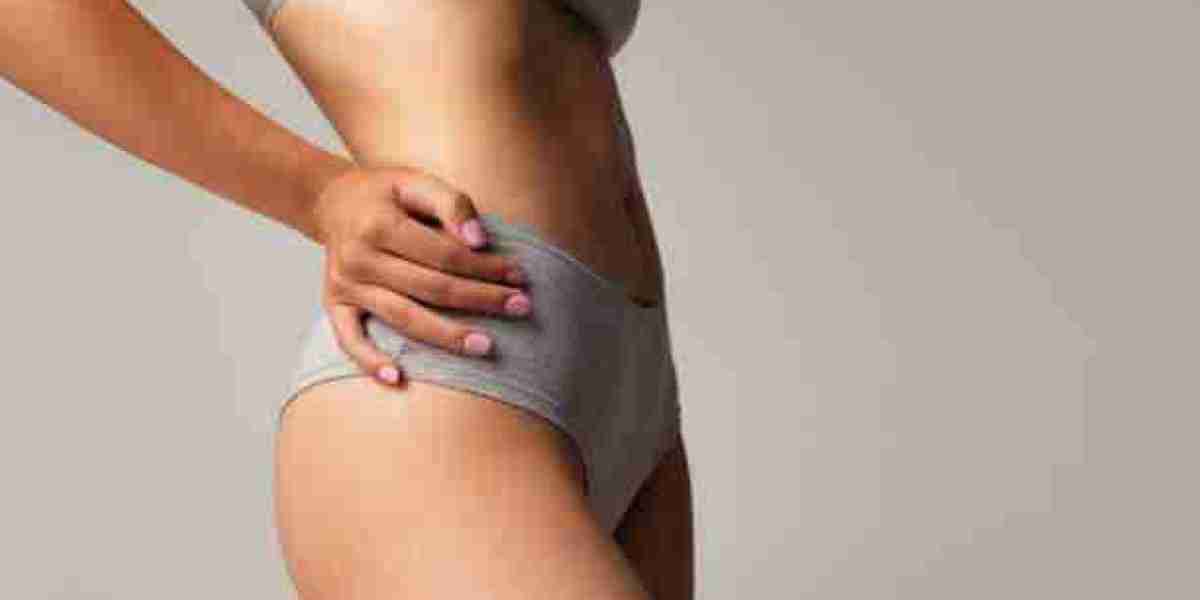

Liposuction is a body contouring procedure designed to remove localized deposits of fat from selected areas of the body. While it is often associated with larger regions such as the abdomen, hips, and thighs, it may also be considered for smaller or more delicate areas where even a modest amount of fat can influence the overall appearance. Liposuction in Riyadh (عملية شفط الدهون في الرياض) may be suitable for individuals who want to refine specific contours that have not changed significantly with a stable weight and healthy lifestyle. Understanding how surgeons assess these areas, select an appropriate technique, and manage potential risks can help patients make informed decisions before undergoing treatment.
Understanding Liposuction for Smaller Areas
Smaller-area liposuction focuses on localized fat deposits rather than broad changes to the body's overall size. Depending on individual anatomy, treatment may be considered for areas such as beneath the chin, the upper arms, the inner knees, or selected regions around the waist. These areas may require a more precise approach because their contours can be influenced by small differences in fat volume.
The goal is to improve the shape of the treated area while preserving natural transitions between surrounding tissues. Not every small fat deposit requires surgery, and a consultation helps determine whether liposuction is appropriate. The surgeon also explains what the procedure can realistically achieve and whether a nonsurgical option or another treatment may better address the concern.
Why Delicate Areas Require Careful Planning
Delicate areas can have thinner skin, closely positioned anatomical structures, or limited space for fat removal. This means that treatment planning must account for more than the amount of fat present. Surgeons consider the thickness of the fat layer, skin quality, the position of nearby structures, and how the area connects with surrounding contours.
Removing excessive fat from a small region may cause unevenness, visible depressions, or an unnatural appearance. A conservative treatment plan can help reduce these risks, although no surgical approach can guarantee perfectly smooth results. The surgeon determines whether the expected benefit justifies the risks based on the patient's anatomy and treatment goals.
Common Areas Considered for Targeted Fat Removal
The area beneath the chin is one example of a small region where localized fat may affect the appearance of the jawline and neck. Liposuction may help selected patients reduce this fullness, although loose skin or underlying anatomical features can also influence the result.
The upper arms may develop localized fat deposits that remain noticeable despite weight management. In suitable candidates, treatment can refine the arm's outline, but skin laxity may limit the improvement. The inner knees are another area where small fat deposits can affect the transition between the thighs and lower legs. In each case, the surgeon evaluates the surrounding anatomy rather than treating the targeted area in isolation.
Evaluating Skin Quality and Fat Volume
Skin elasticity is an important consideration when planning liposuction in a small area. Skin that adapts well to changes in volume may produce a smoother contour after fat removal. If the skin is significantly loose, however, removing fat may not resolve the concern and could make sagging more noticeable.
The surgeon also evaluates whether enough removable subcutaneous fat is present to justify treatment. Liposuction is not intended to treat internal fat around the organs, and it is not a substitute for overall weight management. Liposuction in Riyadh may be considered for localized contour concerns, but suitability depends on individual anatomy, health, and expectations rather than the size of the treatment area alone.
Choosing an Appropriate Surgical Technique
The technique used for liposuction depends on the area being treated, the volume of fat involved, the surgeon's assessment, and the patient's medical needs. Traditional suction-assisted liposuction uses a thin cannula to remove fat through small incisions. Other approaches may use additional technologies to assist fat removal, but the availability and suitability of these methods vary.
No single technique is best for every delicate area. Patients should ask the surgeon why a particular method is recommended, what evidence supports its use, and what limitations it has. The experience of the treating surgeon, careful technique, and appropriate patient selection are important factors in reducing complications and supporting satisfactory results.
Understanding Potential Risks
Although liposuction is commonly performed, it remains surgery and carries potential risks. These can include bruising, swelling, pain, infection, bleeding, temporary or persistent changes in sensation, fluid accumulation, and uneven contours. More serious complications, including problems related to anesthesia or blood clots, are also possible.
Smaller treatment areas are not automatically risk-free. Patients should disclose their medical history, medications, allergies, smoking habits, and previous procedures during the consultation. They should also understand when to seek medical attention after surgery. Choosing a properly qualified surgeon and an appropriately equipped medical facility is an important part of making a safe treatment decision.
Recovery After Small-Area Liposuction
Recovery depends on the location treated, the technique used, and the individual's healing response. Swelling, bruising, and tenderness are common during the initial recovery period. A compression garment may be recommended for certain areas, and patients should follow the surgeon's instructions about wound care, bathing, exercise, and returning to normal activities.
Some improvement may become noticeable as swelling decreases, but the final contour can take several months to develop. Patients should avoid judging the outcome too early and attend recommended follow-up appointments. Increasing pain, fever, spreading redness, shortness of breath, chest pain, or sudden one-sided leg swelling requires prompt medical assessment; breathing difficulties or chest pain warrant emergency care.
Maintaining Results After Treatment
Liposuction removes selected fat cells from the treated area, but it does not prevent future weight gain. Remaining fat cells can enlarge, potentially changing body contours over time. Maintaining a relatively stable weight through balanced nutrition and regular physical activity can help preserve the outcome.
Patients should also remember that aging, changes in skin elasticity, and natural body changes may influence the treated area later. The most appropriate long-term approach is to view liposuction as a contouring procedure rather than a replacement for healthy habits. A surgeon can explain what results may be realistic for the specific area being considered.
Consultation at Royal Clinic Saudi
People exploring Liposuction in Riyadh for smaller or delicate areas can contact Royal Clinic Saudi (عيادات رويال كلينك) through its official channels to inquire about an assessment. A qualified surgeon can evaluate localized fat, skin quality, medical history, and personal goals before discussing suitable options. The consultation should cover the expected benefits, limitations, potential complications, recovery process, and alternative treatments. Individualized advice helps patients decide whether surgery is appropriate and what outcome may reasonably be expected.
FAQs:
1. Which smaller areas can be treated with liposuction?
Depending on individual suitability, areas may include beneath the chin, the upper arms, the inner knees, and selected regions around the waist.
2. Is liposuction for delicate areas less risky?
Not necessarily. Every surgical procedure has risks, and delicate areas require careful assessment and technique.
3. How long does recovery take after small-area liposuction?
Initial recovery varies by treatment area and individual. Swelling may take several weeks to improve, while final contours can take several months to develop.
4. Can liposuction remove all the fat from a small area?
Surgeons aim to remove an appropriate amount of fat while preserving natural contours. Removing all fat is neither the goal nor a guarantee of a better result.