
The skin around the knees can gradually become less firm and smooth due to aging, changes in collagen production, weight fluctuations, and natural differences in skin elasticity. Some people notice mild creasing, uneven texture, or loose-looking skin above and around the kneecaps. Although these changes are normal, they may affect how the legs look in shorts, skirts, or fitted clothing. Understanding the causes of these concerns can help individuals explore appropriate aesthetic treatments.
For people interested in non-surgical options, Venus Legacy in Riyadh (فينوس ليجاسي في الرياض) may be worth considering after a professional assessment. This treatment uses radiofrequency energy and pulsed electromagnetic fields to deliver controlled energy to targeted areas. It is designed to support collagen remodeling and may help improve the appearance of mild skin laxity and uneven texture. However, the skin around the knees can be delicate, and results depend on individual skin characteristics, the degree of laxity, and the treatment plan.
What Is Venus Legacy Treatment?
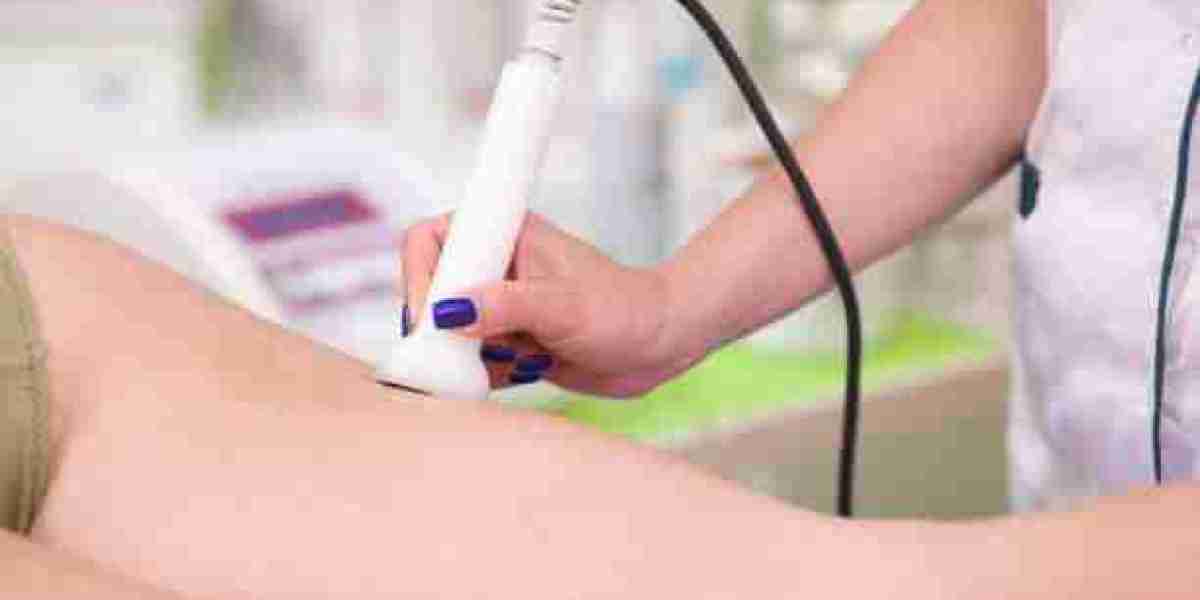
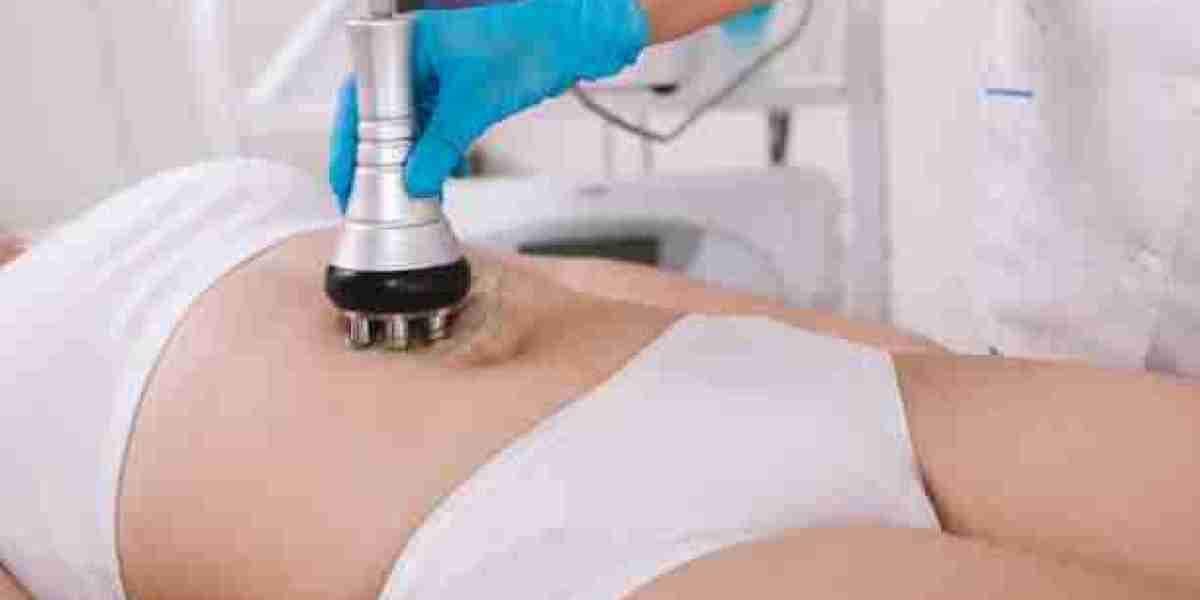
Venus Legacy is a non-invasive aesthetic treatment used to address concerns such as mild skin laxity, the appearance of cellulite, and uneven skin texture. It combines radiofrequency technology with pulsed electromagnetic fields, delivering energy through an applicator placed on the treatment area. The procedure does not require surgical incisions and is generally performed in a clinical setting by a trained professional.
When considering treatment around the knees, the objective is to improve the appearance of the skin rather than alter the knee joint or significantly reduce fat. A provider can assess whether the technology is appropriate for the area and explain the potential benefits and limitations. Non-surgical treatments usually offer more modest changes than surgery and cannot reliably correct substantial loose skin.
How Venus Legacy May Improve the Appearance of Knee Skin
Supporting Collagen Remodeling
Collagen helps maintain the skin’s structure and firmness. As collagen production and organization change with age, the skin may appear thinner or less resilient. Radiofrequency-based treatments deliver controlled heat into targeted tissue, which may support collagen remodeling over time. This process may contribute to a firmer-looking appearance in some individuals, although the degree of improvement cannot be guaranteed.
Addressing Uneven Skin Texture
The skin around the knees naturally folds and moves when the legs bend. However, mild laxity or changes in skin texture can make the area appear less smooth. Venus Legacy may help improve the appearance of selected areas by delivering energy to the tissue beneath the skin. A qualified provider should determine whether the treatment is appropriate for the specific concern rather than assuming all unevenness will respond in the same way.
Complementing Overall Leg Aesthetics
Some individuals focus on the knees as part of a broader leg-rejuvenation plan. Treatment may be discussed alongside other suitable approaches for the thighs or nearby areas, depending on the person's goals. The aim should be a balanced, natural-looking appearance rather than an unrealistic promise of completely smooth skin.
What Causes Loose-Looking Skin Around the Knees?
Several factors can contribute to changes in this area. Natural aging can reduce skin elasticity, while repeated weight changes may affect how the skin sits over the underlying tissue. Sun exposure can also contribute to visible skin aging, particularly on areas that are regularly uncovered. Genetics and individual skin characteristics influence how these changes develop.
The appearance of the knees can also be affected by normal movement. Bending, stretching, and walking create folds in the skin, which do not necessarily indicate a problem requiring treatment. A consultation can help distinguish normal skin features from concerns that may benefit from an aesthetic procedure.
What to Expect During a Venus Legacy Session
Before treatment, a trained professional should examine the area, discuss medical history, and review the desired outcome. They should also check for factors that could make treatment unsuitable, including relevant skin conditions or implanted electronic devices. The provider can explain the procedure, possible side effects, and realistic expectations.
During the session, the applicator is moved over the selected area to deliver controlled energy. The sensation is often described as warmth, although comfort varies between individuals. The duration depends on the treatment plan and the size of the area being addressed. Several sessions may be recommended, with the schedule determined by the provider according to individual needs.
Results, Recovery, and Aftercare
Changes in skin appearance may develop gradually, and some people may notice more improvement than others. The level of laxity, skin quality, age, and consistency with the recommended treatment plan can influence the outcome. Venus Legacy should not be expected to remove substantial excess skin, eliminate every crease, or create permanent changes.
Recovery is generally limited compared with surgery, and many people can resume routine activities soon after treatment. Temporary redness, warmth, or tenderness may occur. Follow the clinic's aftercare guidance and contact the treating professional if symptoms are persistent, severe, or unexpected. Protecting exposed skin from excessive sun exposure and maintaining a stable lifestyle can support general skin health, although these steps do not guarantee treatment results.
Is Venus Legacy Suitable for Everyone?
Venus Legacy may be considered by adults who want to address mild skin laxity or texture concerns without surgery. It may be less effective when loose skin is pronounced or when the concern is primarily related to fat distribution, pigmentation, or another skin condition. A professional assessment is important to determine whether this treatment matches the individual's goals.
People should disclose relevant medical conditions, medications, pregnancy, and implanted devices during the consultation. They should also ask about alternatives, expected benefits, the recommended number of sessions, and possible risks before proceeding.
Conclusion: Explore Treatment Options at Royal Clinic Saudi
Skin around the knees can change naturally over time, but suitable aesthetic treatments may help some individuals improve its appearance. Venus Legacy in Riyadh may be an option for addressing mild skin laxity and uneven texture without surgery, although results vary and significant excess skin may require another approach. At Royal Clinic Saudi (عيادات رويال كلينك), a consultation can help you understand your options and decide whether a personalized skin-firming plan aligns with your goals.
FAQs:
1. Can Venus Legacy Improve the Appearance of Skin Around the Knees?
It may help improve the appearance of mild laxity and uneven texture in suitable candidates, but results vary.
2. Is Venus Legacy Treatment Around the Knees Non-Surgical?
Yes. It uses radiofrequency energy and pulsed electromagnetic fields without surgical incisions.
3. How Many Sessions May Be Needed for Knee Skin Firming?
The number depends on the skin condition, treatment goals, and professional recommendation.
4. Can Venus Legacy Remove Significant Loose Skin Around the Knees?
It is not designed to remove substantial excess skin. A qualified provider can discuss more appropriate options if laxity is pronounced.