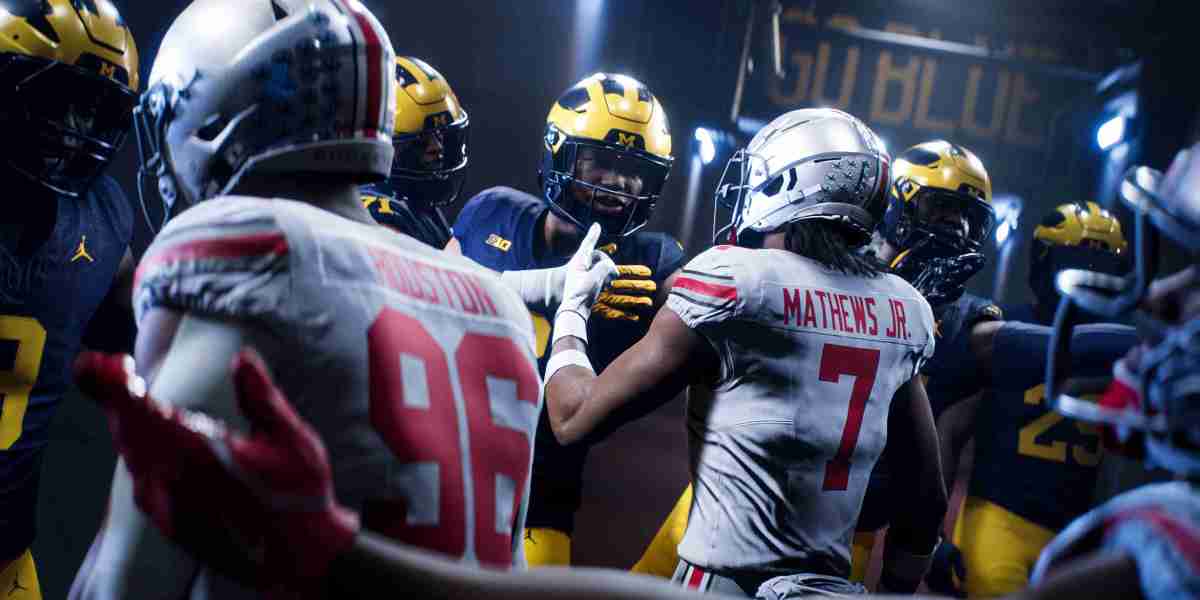

Pressure can make a promising drive unravel in seconds. Whether you are building a roster with College Football 27 Coins or working with your current lineup, answering aggressive defenses starts with reading space. A short completion delivered on time can punish extra rushers without asking your offensive line to protect a lengthy route.
Read the Pressure Picture Before the Snap
Look for linebackers crowding the line, defensive backs creeping toward the edge, and defenders positioned directly over potential rush lanes. These clues suggest pressure, but they do not prove it. An opponent can show several threats and then drop most of them into coverage.
Next, identify where a receiver could replace a rushing defender. If an outside linebacker comes forward, the area behind that position may open. Check nearby coverage before deciding: a safety or cornerback could already be waiting for your intended outlet.
Choose Routes That Fit the Available Space
Slants work best when receivers have a clean inside release and the middle is accessible. Throw as the receiver enters the opening, before a trailing defender can recover. Against crowded interior coverage, forcing the same slant repeatedly invites a turnover.
Hitches offer a quick target against defenders allowing cushion. Running back routes provide another option when underneath defenders rush or follow receivers elsewhere. Choose the route that attacks the actual coverage rather than assuming every short pattern will beat pressure.
Use Alignment to Make the First Read Clearer
Spread formations can help reveal which defenders are responsible for individual receivers. A slot receiver may have a useful angle toward open grass, while a wider alignment can create room for an inside break. Still, extra width does not guarantee separation.
Where available, motion can provide another clue about coverage responsibilities. Watch whether a defender follows the moving receiver or the defense adjusts collectively. Treat that reaction as useful information, then confirm the picture after the snap before releasing the ball.
Mix Screens With Disciplined Decisions
Screens can exploit defenders charging toward the quarterback, but their timing differs from an immediate slant or hitch. Give the play enough time to develop without drifting into pressure. Look for blockers ahead of the target and defenders positioned to interrupt the pass.
Rotate your answers as the opponent adapts. Repeated throws to one outlet make anticipation easier, even against heavy pressure. If the first target is covered, use an available secondary option or throw the ball away when possible. Avoid turning a manageable loss into a possession-changing mistake.
Consistent reads matter more than forcing spectacular throws. If you choose to buy NCAA Football 27 Coins, keep practicing these decisions alongside roster improvements, because recognizing pressure and choosing the right outlet remain essential.



热门帖子
-
 Preimplantation Genetic Testing Market Trends Report: Navigating the Future of Digital Healthcare
经过 Ash007
Preimplantation Genetic Testing Market Trends Report: Navigating the Future of Digital Healthcare
经过 Ash007 -
 1Win Free Code: 1WIN2026VIP - Welcome Rewards
经过 ginevak735
1Win Free Code: 1WIN2026VIP - Welcome Rewards
经过 ginevak735 -
 Şişli Su Tesisatçısı
-
 Промокод 1XVIP1X Сегодня Для 1xBet
经过 ginevak735
Промокод 1XVIP1X Сегодня Для 1xBet
经过 ginevak735 -
 Hogyan működnek az online kaszinók bónuszfeltételei?
经过 cyberleaper
Hogyan működnek az online kaszinók bónuszfeltételei?
经过 cyberleaper


