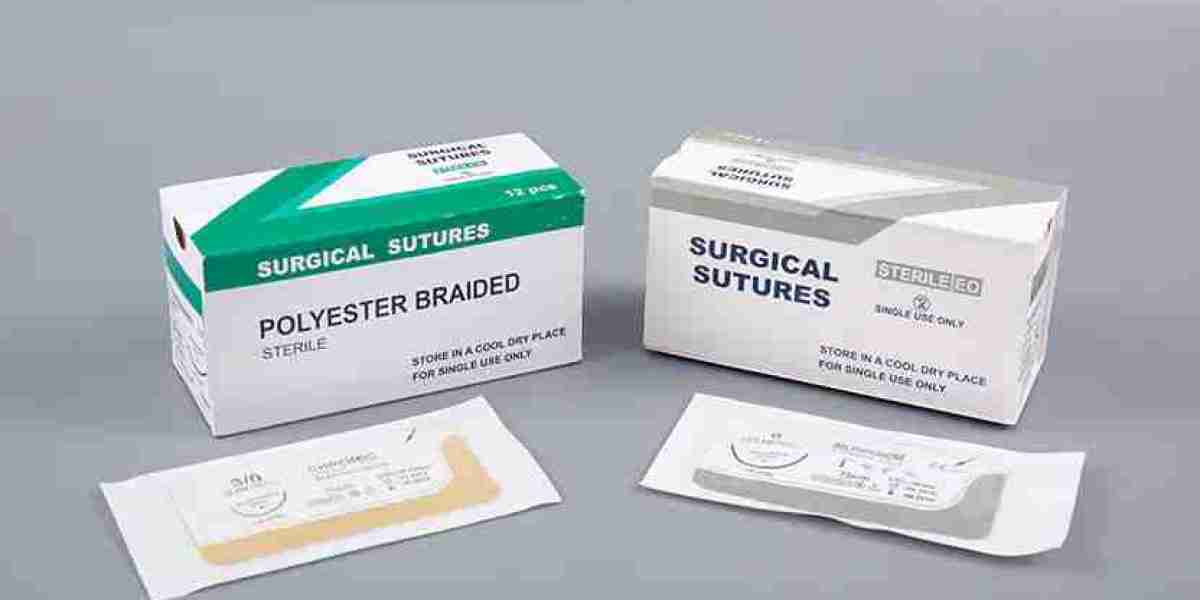

Choosing a reliable Bandage Manufacturer is an important step for businesses looking to supply dependable wound care products, while a Medical Bandage Supplier can help buyers explore different materials, sizes, and product formats. A professional Bandage Manufacturer should understand the needs of hospitals, pharmacies, distributors, and first aid brands, while a responsive Medical Bandage Supplier can make product selection, bulk purchasing, and long-term cooperation easier for businesses serving different healthcare markets.
Find Bandages for Different Everyday Applications
Bandages play a practical role in wound care, first aid, sports support, and post-treatment dressing management. However, not every product is designed for the same purpose. Some are intended to cover minor cuts, others help secure wound dressings, and elastic varieties provide support for selected muscles and joints.
Understanding these differences helps buyers build a product range that meets the needs of their customers. Gauze bandages can be useful for dressing applications, while elastic bandages offer flexibility for support and compression when appropriately selected. Cohesive bandages are designed to stick to themselves rather than directly to skin, making them convenient for certain wrapping applications.
For distributors and retailers, offering several product types can make it easier to serve different customer groups. Instead of choosing products based on price alone, buyers should consider intended use, material composition, dimensions, packaging, and relevant product documentation.
A well-organized product range helps customers find suitable options without making the purchasing process unnecessarily complicated.
Pay Attention to Materials and Product Details
Material selection has a direct influence on how a bandage feels, stretches, and performs during use. Cotton, elastic fibers, nonwoven fabrics, and other textile materials can offer different combinations of softness, flexibility, absorbency, and durability.
When comparing products, buyers should review the specifications rather than relying on general descriptions such as premium quality or superior comfort. Check the available widths and lengths, edge construction, elasticity, packaging format, and any stated limitations on intended use.
Skin contact is another important consideration. Products intended for sensitive applications should have appropriate supporting information, and claims about hypoallergenic properties or latex content should be verified through product documentation.
Packaging deserves attention as well. Clear labeling, batch identification, storage instructions, and suitable packaging arrangements can help distributors manage inventory and provide accurate information to their customers.
Taking time to compare these details before placing an order can reduce confusion and make product selection more efficient.
Build a More Reliable Purchasing Process
For businesses purchasing bandages in volume, product consistency and supply planning matter just as much as the initial quotation. A low unit price may not represent the best overall value if specifications change unexpectedly, communication is slow, or delivery schedules are difficult to manage.
Start by preparing a clear purchasing brief that identifies the required product types, dimensions, materials, packaging quantities, and estimated order volume. If customized packaging or private labeling is needed, explain those requirements before requesting a quotation.
It is also helpful to ask about sample availability, production lead times, minimum order quantities, quality inspection procedures, and documentation. These details allow buyers to compare suppliers on a more consistent basis.
Before committing to a large order, evaluate samples against the agreed specifications. Confirm that the product, packaging, and labeling match the intended market requirements. For medical products, applicable regulatory obligations should be checked for the destination market and specific product category.
A transparent purchasing process supports better communication and helps both sides establish realistic expectations from the beginning.
Explore Product Options With Sztexnet
Different customers need different bandage solutions, so flexibility can be valuable when developing a healthcare product portfolio. A distributor serving pharmacies may prioritize everyday wound care products, while a medical wholesaler could require a broader selection for clinics, hospitals, and institutional buyers.
When assessing a potential manufacturing partner, look beyond the product catalog. Consider manufacturing experience, quality management processes, customization capabilities, communication, and the ability to support repeat orders. Ask for relevant certificates and technical documents, and verify that they apply to the products you intend to purchase.
It is also worth discussing future requirements early. Changes in packaging, order quantities, or product combinations may affect production planning, so clear communication helps avoid unnecessary delays.
A dependable business relationship develops through consistent specifications, realistic delivery expectations, and responsive service. By comparing these factors alongside product quality and price, buyers can make more informed sourcing decisions and build a product range suited to their customers.To explore bandage categories and discuss potential purchasing requirements, visit https://www.sztexnet.com/ and review the available products for your business.