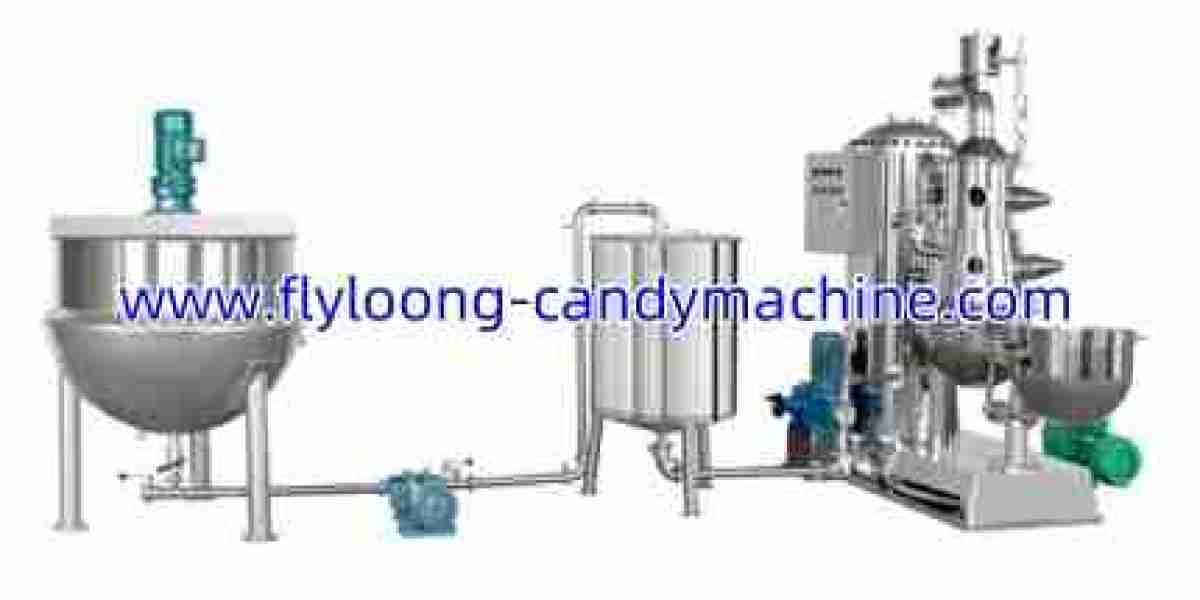

Candy canes carry a special kind of charm, bringing together familiar sweetness, curved silhouettes, and decorative patterns that evoke celebration and nostalgia. Behind their recognizable appearance, however, lies a carefully coordinated manufacturing process. An Automatic Candy Cane Line from Flyloong-Candymachine gives confectionery producers a reason to consider how integrated equipment can connect traditional candy-making techniques with organized production, consistent shaping, and creative product development.
The appeal of a candy cane begins with its distinctive form. The curved hook, smooth surface, and contrasting colors create an appearance that is instantly recognizable, yet each feature depends on how the candy mixture is prepared and handled. Manufacturers must consider ingredient characteristics, cooking conditions, forming methods, and cooling procedures to help the finished product retain its intended structure. Coordinating these stages can support a more predictable process while preserving the qualities that make this confectionery style distinctive.
Production typically involves several connected operations, including cooking, pulling or conditioning the candy mass where appropriate, introducing color, forming the desired shape, cooling, and preparing the finished pieces for packaging. The exact process depends on the recipe and product design. When selecting equipment, manufacturers should examine how each stage connects with the next, paying attention to material movement, processing requirements, and the practical needs of the production team.
Color and pattern provide opportunities for creative differentiation. Traditional striped designs remain familiar to consumers, while manufacturers may also consider alternative color combinations, flavor variations, or decorative treatments suited to different markets. These possibilities require compatible preparation and forming methods. Before introducing a new design, producers should assess how the proposed ingredients and visual effects may influence processing behavior, product stability, and the finished appearance.
Automation can help coordinate repetitive production tasks and reduce the need for unnecessary manual handling. However, the benefits depend on whether the equipment matches the manufacturer's actual requirements. Product dimensions, recipe characteristics, desired output, available workspace, and operator experience should all inform the selection process. Reviewing these factors helps businesses identify a suitable configuration rather than choosing machinery based on individual features alone.
The surrounding production environment matters as well. Equipment placement should allow convenient movement of ingredients and finished candy while leaving appropriate access for cleaning, inspection, and maintenance. Operators need clear procedures for monitoring the process and responding to changes in material behavior. Thoughtful layout planning can make daily work more manageable and help different production stages operate in a coordinated manner.
Packaging deserves attention during the early planning stages. Candy canes may require individual wrapping, protective arrangements for transport, or presentation designed for seasonal displays. The packaging method should suit the candy's shape and fragility while supporting the intended sales channel. Coordinating the forming process with downstream handling can help reduce unnecessary contact and preserve the appearance of the finished product.
Equipment maintenance and technical support should also be part of the purchasing conversation. Manufacturers can ask about cleaning procedures, replacement parts, staff training, installation arrangements, and troubleshooting assistance. Understanding these practical details helps production teams prepare for routine equipment care and make more informed decisions about the long-term suitability of a system.
Candy cane manufacturing brings together tradition, engineering, and visual imagination. A well-considered production plan allows businesses to respect the familiar qualities of this seasonal confection while making room for fresh designs and changing customer preferences. The process begins with clear goals, careful evaluation, and equipment choices that reflect the realities of the factory floor.
Your next festive creation may begin with a simple curve, but the possibilities behind it can reach much further. Visit https://www.flyloong-candymachine.com/product/ , take a closer look at the available machinery solutions, and let a new production idea lead you toward your next memorable confectionery creation.