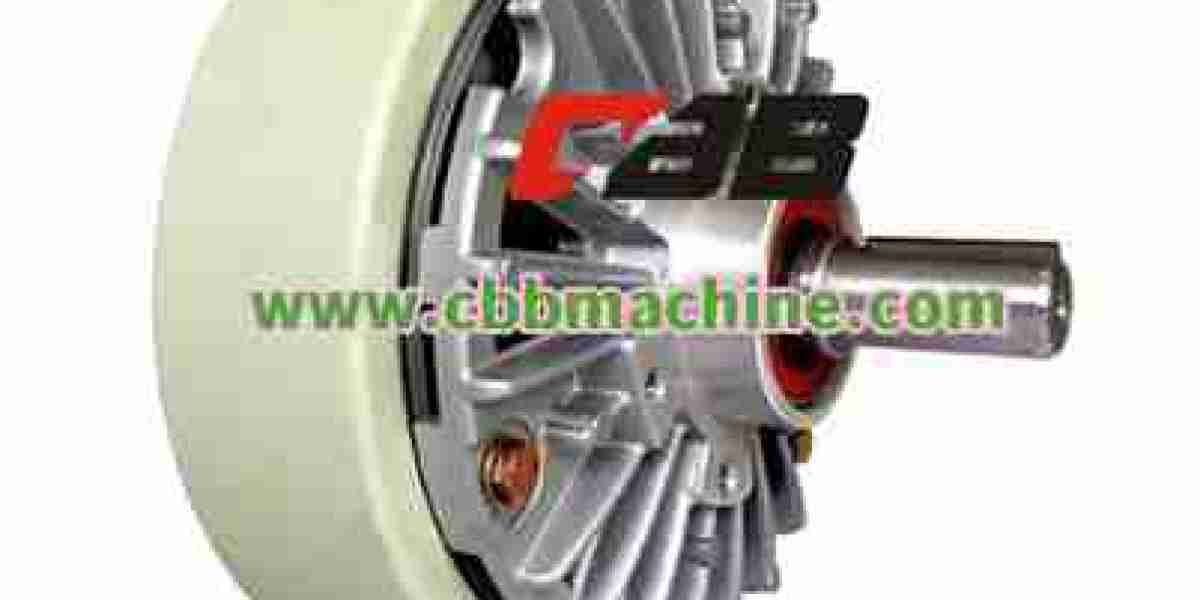

In manufacturing environments where materials must move under controlled resistance, a Magnetic Powder Brake offers a practical approach to torque regulation, and Cbbmachine provides an equipment option for businesses evaluating their industrial control requirements. By using magnetic fields to regulate the interaction of internal powder, this type of braking device helps manage rotational resistance in machinery. Its operating principle makes it useful in applications where controlled tension and predictable material movement are essential to the production process.
Unlike braking systems that rely primarily on mechanical friction, magnetic powder technology uses an electromagnetic field to influence the torque transmitted between internal rotating components. When current is applied to the excitation coil, the magnetic field changes the behavior of the powder within the working gap. This creates controllable resistance that can be adjusted according to the needs of the application.
Such a mechanism is particularly relevant to machinery that handles flexible materials. During unwinding, winding, and converting operations, changes in roll diameter or material characteristics can affect tension. A controllable braking system helps equipment maintain suitable resistance as operating conditions change, supporting smoother material handling and more consistent processing.
For packaging manufacturers, printing facilities, and converting operations, tension management influences how materials travel through the production line. Excessive resistance may stretch or damage delicate substrates, while insufficient resistance can contribute to loose winding or unstable feeding. Selecting an appropriate braking solution allows manufacturers to address these challenges as part of a coordinated equipment design.
Another practical advantage is the ability to regulate torque through electrical control. Operators can adjust the excitation current to suit changing production requirements, provided the system is configured within its intended operating limits. This makes the technology suitable for machinery that processes different materials or requires adjustments during setup and operation.
However, successful implementation depends on more than the braking device itself. The required torque range, heat dissipation, mounting arrangement, control method, and compatibility with the surrounding machinery should all be evaluated before selection. These considerations help determine whether a particular configuration fits the application and operating environment.
Installation and maintenance also contribute to reliable performance. Correct alignment, secure mounting, suitable electrical connections, and adequate ventilation help the equipment operate as intended. Routine inspections should follow the manufacturer's recommendations, with attention given to operating temperature, connection condition, and any changes in braking behavior. A structured maintenance approach can help identify potential issues before they interfere with production.
Different industries may place different demands on torque control. Flexible packaging lines often require careful tension management as films move through rollers and winding stations. Printing equipment may need stable material feeding to support registration and handling. Slitting and rewinding machinery can benefit from adjustable resistance as finished rolls develop during operation. Understanding these application-specific requirements helps manufacturers choose a configuration that supports their workflow.
Integration with a broader control system is equally important. A braking device should work in coordination with sensors, controllers, drive components, and other relevant machinery elements. When these elements are selected and configured appropriately, operators can manage material movement with greater consistency and adapt the production process to changing conditions.
For equipment designers and production managers, the selection process should begin with the actual operating challenge. Identifying the material characteristics, required tension behavior, installation constraints, and control preferences creates a clearer basis for discussing technical options with a supplier. This practical approach helps avoid unnecessary complexity and supports more informed purchasing decisions.
Reliable torque regulation is not simply about slowing rotation. It is about creating the right resistance at the right moment so that materials remain manageable throughout the production process. With thoughtful equipment selection, proper integration, and regular maintenance, manufacturers can build a more controlled and dependable approach to winding and converting operations.
Every production line has its own rhythm, and the right control component helps keep that rhythm steady. Visit https://www.cbbmachine.com/product/ to see what equipment possibilities await your application. Follow the details that match your production goals, consider the role of controlled torque in your process, and let your next machinery decision begin with a more focused look at the available solutions.