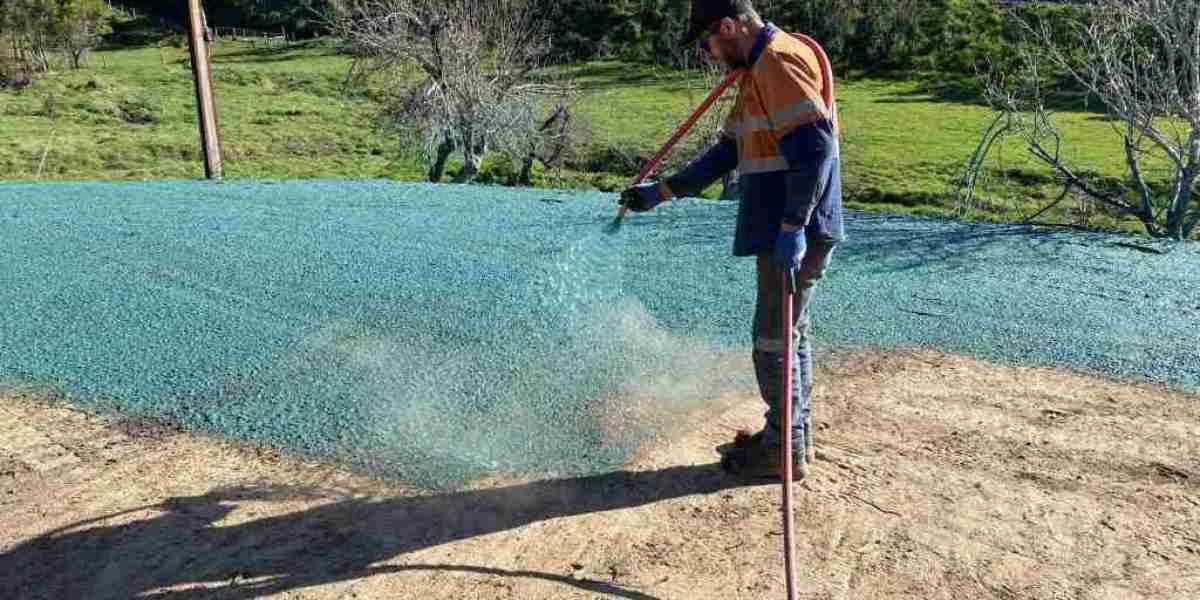

A green, healthy lawn can improve your property's appearance and create a welcoming space for outdoor activities. Zoysia grass is a popular choice for homeowners in Texas because it grows well in warm weather, forms a dense lawn, and can tolerate regular foot traffic once established. However, choosing the right grass is only one part of creating an attractive yard. Installation timing, soil preparation, and proper watering also play important roles.
Knowing the best time to install zoysia sod helps you plan your landscaping project and give your new lawn a strong start. Installing sod during favorable weather allows the roots to develop and connect with the soil more effectively. With proper preparation and consistent care, homeowners can establish a lawn that looks attractive and remains healthy throughout the growing season.
When Is the Best Time to Install Zoysia Sod?
Late spring through early summer is generally the best time to install zoysia sod in Texas. During this period, the soil becomes warmer, and zoysia grass enters its active growing season. These conditions support root development and help newly installed sod establish itself.
Zoysia is a warm season grass that grows most actively during warmer months. Installing it while temperatures support active growth gives the roots more time to develop before cooler weather arrives.
The ideal installation date depends on local temperatures, soil conditions, and the grass variety. Homeowners should also consider rainfall, sunlight, and access to water when planning their projects. Choosing a suitable weather window is often more important than selecting a specific calendar date.
Why Late Spring Is Ideal for Zoysia Sod
Late spring often provides favorable conditions because the soil has warmed after winter. As temperatures rise, zoysia grass becomes more active, allowing new roots to begin growing into the prepared ground.
Installing sod during this period can also give the lawn time to establish before the hottest summer weather arrives. Moderate conditions may make early watering and lawn maintenance easier than during prolonged periods of extreme heat.
Before scheduling installation, check the weather forecast and prepare the ground in advance. Avoiding severe storms and unusually hot, dry conditions can help protect the grass during delivery and installation.
Is Early Summer a Good Time to Install Zoysia Sod?
Early summer can also be suitable for zoysia sod installation because warm soil encourages active root growth. With proper preparation and watering, homeowners can establish a healthy lawn during this season.
However, Texas summers can bring intense sunlight, high temperatures, and dry winds. These conditions can cause newly installed sod to lose moisture quickly, especially in open areas with little shade.
If you plan to install sod during early summer, make sure your watering system is ready before the work begins. Arrange for fresh sod to be installed promptly after delivery, and monitor moisture levels regularly during the first few weeks.
Can Zoysia Sod Be Installed in Fall?
Early fall may be suitable in some parts of Texas if the soil remains warm enough to support root development. However, installing sod later in the season can be more challenging because cooler weather gradually slows grass growth.
Zoysia grass typically becomes dormant during colder months. If the roots do not have enough time to establish before dormancy begins, the lawn may take longer to develop fully.
Homeowners considering fall installation should evaluate local temperatures and the expected arrival of colder weather. A professional assessment can help determine whether conditions are suitable for the property.
What Conditions Help Zoysia Sod Grow Successfully?
Choosing the right season is important, but several other factors influence how well a new lawn establishes. Understanding these conditions can help homeowners avoid common installation problems.
Soil Temperature and Preparation
Warm soil encourages active root growth, while cold soil can slow the establishment process. Extremely hot and dry conditions may also stress new sod by increasing moisture loss.
The ground should provide a stable foundation for the grass roots. Compacted soil can restrict root growth, while poor drainage may cause water to collect around the roots.
Before installation, remove debris, loosen compacted areas, and correct uneven surfaces. Proper soil preparation helps the sod make good contact with the ground and creates better conditions for root development.
Sunlight and Shade
Zoysia generally performs best in areas that receive sufficient sunlight, although shade tolerance varies among varieties. Lawns beneath large trees or beside buildings may receive limited sunlight, which can affect grass density.
Before selecting a variety, observe how much direct sunlight your yard receives throughout the day. Choosing grass suited to the available sunlight can help reduce thin patches and improve the lawn's overall appearance.
Watering and Drainage
New sod needs consistent moisture while its roots establish. The root layer should remain moist enough to prevent drying, but the soil should not remain saturated for extended periods.
Watering needs vary according to temperature, wind, soil type, and sunlight. Exposed areas may dry faster than shaded sections, while sandy soil may lose moisture more quickly than heavier soil.
Check the sod and the soil beneath it regularly. Adjust watering according to changing conditions, and make sure excess water can drain away properly.
How to Prepare Your Yard Before Sod Installation
Proper preparation gives zoysia sod a better chance to establish evenly and grow into the underlying soil. Completing the necessary work before delivery can also reduce delays and limit the time the grass remains exposed to heat.
- Clear the installation area: Remove weeds, unwanted grass, rocks, and debris to create a clean surface for the new lawn.
- Prepare and level the soil: Break up compacted areas and correct uneven spots. Ensure the ground drains properly and slopes away from the house where appropriate.
- Check soil conditions: Consider a soil test to identify nutrient concerns and determine whether soil improvements are necessary.
- Arrange fresh sod delivery: Schedule delivery so installation can begin promptly. Avoid leaving stacked sod exposed to high temperatures for extended periods.
- Prepare for immediate watering: Make sure your hose or irrigation system is ready before installation begins. Watering promptly helps prevent the roots from drying out.
Why Choose Professional Sod Installation Near Me?
Searching for professional sod installation near me can help homeowners find local contractors who understand regional weather, soil conditions, and grass selection. Professional assistance can be particularly useful for large lawns, uneven properties, and areas that require grading or drainage improvements.
An experienced installer can assess the property, recommend a suitable zoysia variety, and prepare the ground before laying the sod. Proper installation helps create a consistent appearance and reduces gaps between individual pieces.
What to Expect From a Professional Sod Installer
A reliable contractor should evaluate the property before beginning work. This assessment helps identify drainage concerns, soil preparation needs, and areas that may receive insufficient sunlight.
The installation process should include clearing the ground, preparing the soil, checking sod quality, and placing each piece carefully. The pieces should fit closely together to reduce visible gaps and support a more uniform lawn.
After installation, homeowners should receive clear watering and maintenance instructions. Following these recommendations can help protect the new lawn during the establishment period.
Questions to Ask Before Hiring a Contractor
Before choosing an installer, ask which zoysia variety is recommended for your property and why. Find out whether ground preparation, grading, sod delivery, and cleanup are included in the quoted price.
It is also useful to ask about watering requirements, expected establishment time, and any workmanship guarantee. Comparing these details can help you evaluate service quality instead of choosing a contractor based only on cost.
Common Mistakes to Avoid During Zoysia Sod Installation
Even healthy sod can struggle when installation conditions or early care are inadequate. Avoiding common mistakes can protect your investment and encourage stronger root development.
Installing During Extreme Weather
Extreme heat can increase water loss, while cold soil may slow root growth. Whenever possible, schedule installation during a favorable growing period and avoid severe weather conditions.
Watering Incorrectly
Too little water can dry out the roots, while excessive watering can create drainage problems. Monitor soil moisture and adjust your watering routine according to the weather and ground conditions.
Walking on New Sod Too Soon
New sod needs time to attach to the ground. Heavy foot traffic can shift the pieces and disturb developing roots. Limit unnecessary use until the grass is firmly established.
Mowing Before Roots Develop
Mowing too early can pull up sod that has not rooted properly. Wait until the grass resists gentle lifting and has grown enough for mowing. Follow the recommended cutting height for your selected zoysia variety.
How Long Does Zoysia Sod Take to Establish?
Under favorable conditions, zoysia sod may begin rooting into the soil within the first couple of weeks. However, full establishment can take longer depending on soil temperature, watering, grass health, and local weather.
You can gently tug on a corner of the sod to check whether the roots are attaching to the soil. If it resists lifting, establishment may be progressing. Avoid pulling firmly because this can damage developing roots.
Continue monitoring moisture, limiting foot traffic, and following appropriate mowing practices. Regular checks can help you identify dry spots, drainage concerns, or other problems before they spread across the lawn.
Conclusion
The best time to install zoysia sod in Texas is generally late spring through early summer, when warm soil supports active root development. Proper soil preparation, healthy sod, suitable growing conditions, and consistent watering are equally important for a successful lawn.
For homeowners planning a new lawn, Texas Sod Pros can help simplify sod selection and installation planning. By choosing the right installation period and following appropriate lawn care practices, you can give your zoysia grass a healthy start and enjoy an attractive outdoor space for years to come.