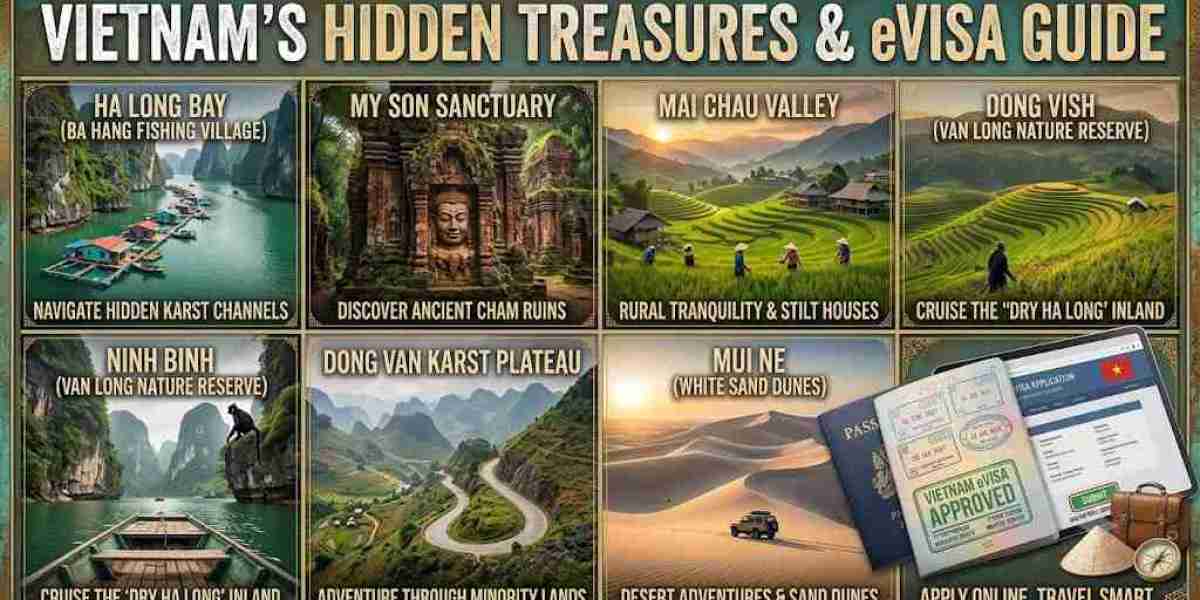

Vietnam is a fantastic destination for first-time travelers, offering lively cities, peaceful beaches, mountain landscapes, ancient temples, and unforgettable local food. From the historic streets of Hanoi to the limestone islands of Ha Long Bay, every region has something different to experience.
Before planning your itinerary, check your Vietnam visa requirements and confirm whether you need a Vietnam e Visa based on your nationality and travel plans. Travelers who need a visa can review the Vietnam visa online application process and prepare their documents before departure.
1. Hanoi – Vietnam’s Historic Capital
Hanoi combines traditional Vietnamese culture with modern city life. Explore the Old Quarter, visit Hoan Kiem Lake, and sample local favorites such as pho and bun cha. It is an excellent starting point for a first trip to Vietnam.
2. Ha Long Bay – Limestone Islands and Emerald Waters
Ha Long Bay is famous for its dramatic limestone formations rising from the sea. Visitors can enjoy boat cruises, kayaking, cave visits, and overnight stays on the water. Book tours in advance during busy travel periods.
3. Ho Chi Minh City – A Lively Urban Experience
Ho Chi Minh City offers busy markets, modern shopping areas, historic landmarks, and a celebrated street-food scene. Popular stops include the War Remnants Museum, Ben Thanh Market, and the historic central district.
4. Hoi An – Ancient Streets and Lanterns
Hoi An is known for its preserved old town, colorful lanterns, riverside cafés, and traditional architecture. It is a good place to enjoy Vietnamese cooking classes, local markets, and tailor-made clothing.
5. Da Nang – Beaches and Scenic Mountains
Da Nang is popular for My Khe Beach, the Marble Mountains, and the Dragon Bridge. Its convenient location also makes it a useful base for visiting Hoi An and nearby attractions.
6. Sapa – Mountains and Rice Terraces
Sapa attracts travelers with mountain scenery, terraced rice fields, village walks, and cool weather during parts of the year. Check local conditions before trekking, especially during heavy rain.
7. Ninh Binh – Rivers, Caves, and Limestone Cliffs
Ninh Binh offers beautiful landscapes around Trang An and Tam Coc. Take a boat ride through waterways surrounded by limestone cliffs, or climb to the viewpoint at Hang Mua for wide countryside views.
8. Hue – Vietnam’s Imperial Heritage
Hue was once the imperial capital of Vietnam. Its Imperial City, royal tombs, pagodas, and Perfume River provide an introduction to the country's royal history and traditional architecture.
9. Phu Quoc – Tropical Beaches
Phu Quoc is known for sandy beaches, clear-water activities, resorts, and sunset views. It is suitable for travelers who want a relaxed beach break after exploring Vietnam's cities.
Check entry and visa conditions carefully if you plan to visit Phu Quoc directly or combine it with other Vietnamese destinations. Visa exemptions can have specific eligibility and itinerary requirements.
10. Ha Giang – A Spectacular Mountain Road Trip
Ha Giang is famous for winding mountain roads, dramatic valleys, and traditional communities. Travelers often explore the region on guided motorbike tours or with an experienced local driver.
11. Da Lat – Cool Weather and Pine Forests
Da Lat offers a cooler climate, flower gardens, waterfalls, lakes, and coffee shops. It is a popular choice for travelers seeking a quieter atmosphere away from the tropical heat.
12. Quy Nhon – A Relaxed Coastal Escape
Quy Nhon features beaches, coastal viewpoints, seafood restaurants, and a more laid-back atmosphere than some of Vietnam's busiest resort areas. It can suit visitors looking for a less crowded seaside destination.
13. Can Tho – Life in the Mekong Delta
Can Tho is a gateway to the Mekong Delta's waterways and agricultural communities. Visit Cai Rang Floating Market early in the morning, explore local food stalls, and take a boat trip through the canals.
14. Phong Nha – Caves and Outdoor Adventures
Phong Nha-Ke Bang National Park is known for spectacular caves, forest scenery, and outdoor activities. Depending on the tour, visitors can explore caves by boat, walk forest trails, or join guided adventure experiences.
15. Mui Ne – Sand Dunes and Coastal Views
Mui Ne is popular for its red and white sand dunes, fishing village, beaches, and kite-surfing conditions. Early morning visits to the dunes can help travelers avoid the strongest midday heat.
Vietnam Visa Tips for First-Time Travelers
Before booking your trip, check the latest Vietnam visa requirements for your passport. Depending on your nationality and circumstances, you may qualify for visa-free entry or need to complete a Vietnam visa application before traveling.
If you need a Vietnam eVisa, review your passport details, entry and exit dates, intended entry point, and permitted number of entries carefully. A spelling error or incorrect passport number can cause travel complications.
Travelers researching a Vietnam visa should distinguish between the Vietnamese government's eVisa portal and private visa assistance services. Private providers may offer application support or expedited processing options, but their fees and service timelines differ from government processing.
For urgent travel, check the current availability, conditions, and stated turnaround time of any emergency Vietnam visa or Vietnam eVisa service. Never assume that an advertised express service guarantees entry or replaces applicable immigration requirements.
How to Plan Your First Vietnam Trip
For a first visit, consider spending 7–10 days exploring two or three nearby destinations instead of trying to cover the whole country. Hanoi, Ha Long Bay, and Ninh Binh work well together in the north, while Da Nang, Hoi An, and Hue offer a rewarding central Vietnam itinerary.
Pack for regional weather, allow time for domestic transfers, and keep digital and printed copies of your travel documents. With a suitable itinerary and your visa arrangements checked in advance, you can enjoy Vietnam's culture, scenery, food, and welcoming local atmosphere.