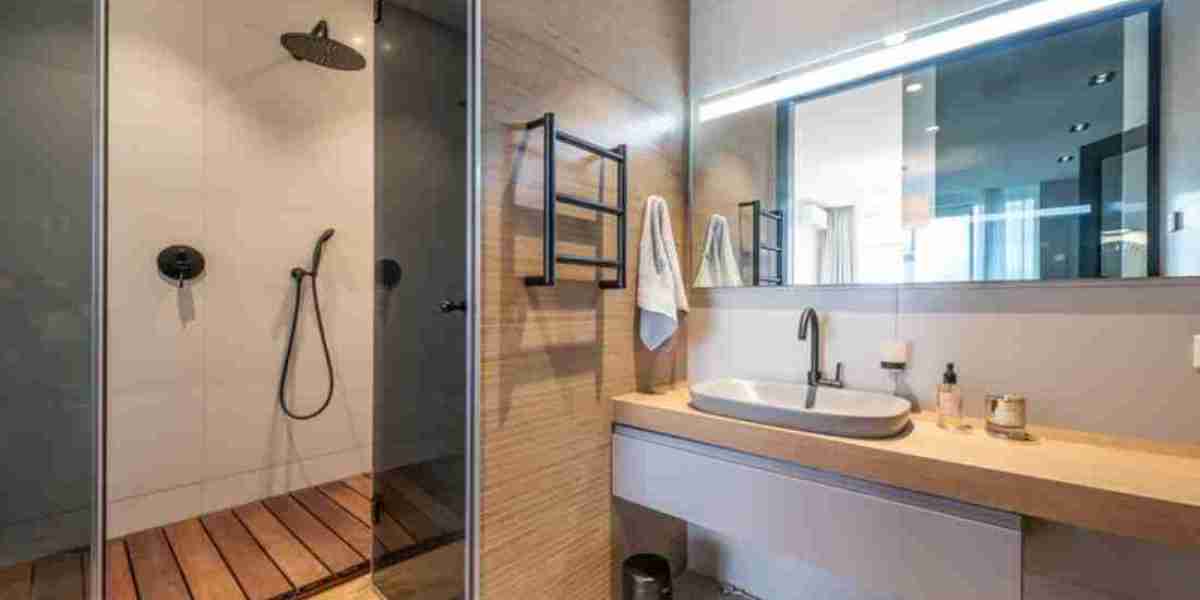

A modern bathroom should be comfortable, hygienic, functional, and visually appealing. Whether you are renovating an existing bathroom or designing a new home, choosing the right sanitary items plays an important role in creating a space that meets your daily needs. From toilets and wash basins to faucets, showers, and bathroom accessories, every element contributes to the overall appearance and usability of the bathroom.
However, selecting sanitary items can be challenging because the market offers numerous designs, materials, sizes, finishes, and price ranges. A product that looks attractive in a showroom may not be the most practical choice for your available space, water supply, or maintenance requirements.
The key is to balance design, durability, functionality, and budget. By understanding your bathroom requirements and comparing suitable products, you can make informed decisions that provide long-term value. This guide explains how to choose the right sanitary items for a modern bathroom and what to consider before making a purchase.
1. Understand Your Bathroom Space and Requirements
Before purchasing any sanitary item, evaluate the available space and the bathroom layout. The size of your bathroom determines which products will fit comfortably without affecting movement or accessibility.
For smaller bathrooms, wall-mounted toilets, compact wash basins, and space-saving faucets can help create a more open appearance. Larger bathrooms provide greater flexibility to incorporate double wash basins, spacious shower areas, and premium bathroom fixtures.
Consider the following factors before selecting products:
Bathroom dimensions
Measure the available floor area and wall space before choosing fixtures.
Plumbing locations
Check the existing water supply and drainage points to avoid unnecessary modifications.
User requirements
Consider the needs of children, older adults, and other household members.
Bathroom layout
Ensure sufficient clearance around the toilet, basin, shower, and entrance.
Future maintenance
Select products that are easy to access, clean, and repair.
Planning these details helps prevent installation problems and unnecessary expenses. It also makes it easier to create a bathroom where every sanitary item serves a clear purpose.
2. Choose the Right Toilet for Comfort and Efficiency
The toilet is one of the most frequently used sanitary fixtures, making comfort, hygiene, and water efficiency essential considerations.
Modern toilets are available in different styles, including one-piece, two-piece, wall-hung, and floor-mounted models. Each option offers different advantages depending on the bathroom layout, budget, and installation requirements.
One-Piece Toilets
One-piece toilets combine the bowl and tank into a single unit. Their streamlined appearance makes them suitable for contemporary bathrooms. They also have fewer joints around the tank, which can simplify cleaning.
Two-Piece Toilets
Two-piece toilets feature a separate tank and bowl. They are available in many designs and price ranges, making them a practical choice for homeowners looking for flexibility and affordability.
Wall-Hung Toilets
Wall-hung toilets create a clean, minimalist appearance by keeping the floor beneath the fixture open. They can make compact bathrooms appear more spacious, although installation requires a suitable concealed support frame and compatible plumbing.
When comparing toilets, check the seat height, flushing performance, water consumption, ease of cleaning, and availability of replacement parts. Dual-flush models can help reduce water usage when used appropriately.
Choose a toilet that suits both your bathroom design and everyday requirements rather than selecting a model based on appearance alone.
3. Select a Wash Basin That Matches Your Style
A wash basin is both a functional fixture and a prominent design element. The right basin should provide enough space for daily activities while complementing the bathroom's overall style.
Different basin types are suitable for different layouts.
Countertop basins
These sit on a counter or vanity and create a stylish, contemporary look.
Wall-mounted basins
These save floor space and work well in smaller bathrooms.
Under-counter basins
These are installed beneath the countertop for a seamless appearance.
Pedestal basins
These conceal plumbing and offer a traditional yet practical design.
Integrated vanity basins
These combine the basin and countertop into a coordinated unit with convenient storage options.
When choosing a basin, consider its depth, width, material, tap-hole configuration, and splash control. A basin that is too shallow may cause water to splash onto the surrounding counter, while an oversized design may restrict movement in a compact bathroom.
Ceramic basins remain a popular option because they are generally easy to clean and maintain. Other materials may offer distinctive finishes, but their care requirements should be checked before purchase.
4. Choose Faucets and Taps for Performance and Style
Faucets influence both the appearance and everyday functionality of a bathroom. The right tap should work well with the selected basin, provide comfortable water flow, and withstand regular use.
Modern bathroom faucets are available in wall-mounted, deck-mounted, single-lever, and mixer designs. Single-lever mixers make it convenient to adjust water temperature and flow, while wall-mounted faucets can create a minimalist appearance when installed with compatible plumbing.
Before selecting a faucet, consider the following:
Compatibility: Match the faucet height and reach to the basin's size and shape.
Material quality: Look for durable construction and finishes designed for regular bathroom use.
Water efficiency: Consider water-saving aerators and flow-control features.
Finish: Chrome, matte black, brushed finishes, and other options can complement different interior styles.
Maintenance: Choose surfaces that are practical to clean in your local water conditions.
Hard water can leave mineral deposits on faucets and other fixtures. Selecting an appropriate finish and following the manufacturer's cleaning instructions can help maintain their appearance.
A coordinated faucet and basin combination can make the bathroom look more polished without requiring an expensive renovation.
5. Select a Shower System That Fits Your Lifestyle
The shower area should provide comfort, reliable water flow, and effective drainage. The right shower system depends on available space, water pressure, personal preferences, and the bathroom's overall design.
Common options include handheld showers, fixed showerheads, overhead showers, and adjustable shower systems. Handheld showers are particularly useful for flexible cleaning, while overhead showers can create a more relaxing bathing experience.
Rainfall showerheads are popular in modern bathrooms, but they should be selected after checking the available water pressure and the product's water requirements. A larger showerhead may not perform as expected if the plumbing system cannot supply sufficient flow.
For a clean, contemporary design, a glass shower enclosure can separate wet and dry areas. However, proper waterproofing, ventilation, and floor drainage are just as important as the appearance of the shower fixtures.
6. Consider Material Quality and Durability
Sanitary items are exposed to moisture, cleaning products, temperature changes, and frequent use. Therefore, material quality should be a major factor when comparing products.
Vitreous china and quality ceramic are common materials for toilets and wash basins because they offer smooth surfaces that are relatively easy to maintain. Faucets and shower fittings may use brass, stainless steel, or other materials with different performance characteristics.
Do not judge a product's quality by its finish alone. Check the manufacturer's specifications, warranty, installation requirements, and availability of replacement components.
Before purchasing, review these details:
Surface finish and resistance to everyday wear.
Construction quality and expected service life.
Compatibility with existing plumbing.
Warranty coverage and after-sales support.
Availability of spare parts and servicing.
Reliable sanitary products may have a higher initial price than basic alternatives, but durability and straightforward maintenance can provide better value over time.
7. Match Sanitary Items With Your Bathroom Design
A modern bathroom looks cohesive when its sanitary fixtures, fittings, colours, and finishes complement one another.
For a minimalist bathroom, consider clean shapes, neutral colours, wall-mounted fixtures, and simple hardware. For a luxurious appearance, coordinated finishes, countertop basins, and carefully selected shower systems can create a more premium atmosphere.
You do not need to purchase every item from the same product range. However, maintaining consistency in colour, shape, and finish helps create a unified look.
For example, chrome faucets may work well with white ceramic basins and neutral tiles, while matte black fittings can create contrast against lighter walls. Brushed metallic finishes may complement natural stone or wood-inspired surfaces.
If you are exploring different options for a bathroom upgrade,Civilismart can be considered when researching sanitary items and related building or home-improvement product categories. Comparing the available product ranges, specifications, and suitability for your project can help you make a more informed selection.
8. Set a Realistic Budget Before Buying
A bathroom project involves more than the purchase price of sanitary fixtures. Installation, plumbing changes, accessories, waterproofing, and finishing work can all affect the total cost.
Start by dividing your budget into essential fixtures and optional upgrades. Toilets, wash basins, faucets, and shower fittings generally form the core of a bathroom's sanitary requirements. Premium finishes, advanced shower systems, and decorative accessories can be considered according to your remaining budget.
A practical budgeting approach includes:
List essential items: Identify the fixtures required for the bathroom.
Set a price range: Establish a reasonable spending limit for each product category.
Compare specifications: Evaluate quality, functionality, warranty, and maintenance rather than price alone.
Account for installation: Include labour, plumbing modifications, and compatible fittings.
Keep a contingency: Reserve some money for unexpected installation requirements.
Avoid choosing the cheapest option without checking its quality and compatibility. Similarly, an expensive product is not necessarily the best choice for every household.
The objective is to invest in products that meet your needs while keeping the entire project within budget.
Planning a bathroom upgrade? Explore Civilismart and compare sanitary items and related product categories to identify options that suit your space, style, and budget. Review product specifications and installation requirements before making your final selection.
Common Mistakes to Avoid When Choosing Sanitary Items
Even a carefully planned bathroom can become inconvenient when important details are overlooked. Avoid these common mistakes to get better value from your investment.
Ignoring measurements: Purchasing a large basin or toilet without checking available clearance can make a bathroom difficult to use.
Choosing appearance over performance: Attractive fixtures may not meet your requirements if water pressure, flushing performance, or material quality is inadequate.
Overlooking plumbing compatibility: Incorrect connections or mounting requirements can increase installation costs.
Mixing incompatible finishes: Too many different colours, shapes, and styles may make the bathroom look uncoordinated.
Forgetting maintenance: Products that require specialised cleaning or hard-to-find replacement parts may create difficulties over time.
Underestimating installation costs: Budgeting only for the products can leave insufficient money for labour, plumbing, waterproofing, and other essential work.
By addressing these details early, you can avoid common purchasing errors and make more confident decisions.
Conclusion
Choosing the right sanitary items for a modern bathroom requires careful planning, product comparison, and attention to everyday needs. Toilets, wash basins, faucets, shower systems, and bathroom accessories should work together to create a comfortable, hygienic, and visually appealing space. Selecting suitable building materials and plumbing materials is equally important for proper installation, reliable water supply, and efficient drainage.
Start by measuring your bathroom, evaluating plumbing requirements, and setting a realistic budget. Compare product quality, durability, water efficiency, maintenance needs, and installation specifications. You should also consider suitable plumbing pipes, fittings, and other building materials required for bathroom construction or renovation.
Whether you are renovating a compact bathroom or planning a complete modern bathroom, the right combination of sanitaryware, plumbing materials, and building supplies can improve convenience and long-term value. Explore sanitary items, plumbing materials, tiles, and other building materials at Civilismart to find suitable products for your home construction and renovation needs.