
Hair thinning, excessive shedding, and reduced hair volume can affect your confidence and make it difficult to maintain your desired appearance. Modern hair restoration techniques offer options for people who want to support healthier-looking hair without undergoing surgery. PRP hair treatment in Riyadh uses platelet-rich plasma obtained from your own blood to support the scalp’s natural healing processes and potentially improve hair growth in suitable candidates. Understanding how this treatment works, its potential benefits, and the results you can realistically expect can help you decide whether it fits your hair restoration goals.
Understanding Platelet-Based Hair Therapy
Platelet-rich plasma, commonly called PRP, is prepared by collecting a small blood sample and processing it in a centrifuge to concentrate platelets within the plasma. Platelets contain growth factors that participate in tissue repair and healing. The prepared plasma is injected into selected areas of the scalp by a qualified healthcare professional. This approach aims to create a supportive environment for existing hair follicles. Although PRP may improve hair density and thickness in some individuals, its effectiveness depends on the cause of hair loss, follicle condition, and individual response.
How PRP Helps Revitalize Hair
Hair grows through a natural cycle involving growth, transition, and resting phases. When this cycle is disrupted, hair may become thinner or fall out more frequently. PRP may help support follicular activity by delivering concentrated platelets and their growth factors to targeted scalp areas. Some clinical studies suggest potential benefits for certain types of nonscarring hair loss, particularly pattern hair loss. However, results are not guaranteed, and PRP cannot restore follicles that have been permanently destroyed. Identifying the underlying cause of hair loss remains an essential first step.
Who Can Benefit From PRP Hair Treatment?
People experiencing early hair thinning or certain forms of pattern hair loss may be suitable candidates for PRP. It may also interest individuals seeking a nonsurgical option to complement an existing hair restoration plan. Before treatment, a clinician should assess the scalp, review medical history, and consider factors such as nutritional deficiencies, hormonal changes, stress, and medical conditions. This evaluation helps establish whether PRP is appropriate or whether another treatment would be more effective. People with particular blood disorders, platelet abnormalities, or certain medical conditions may require additional assessment before proceeding.
What Happens During a PRP Session?
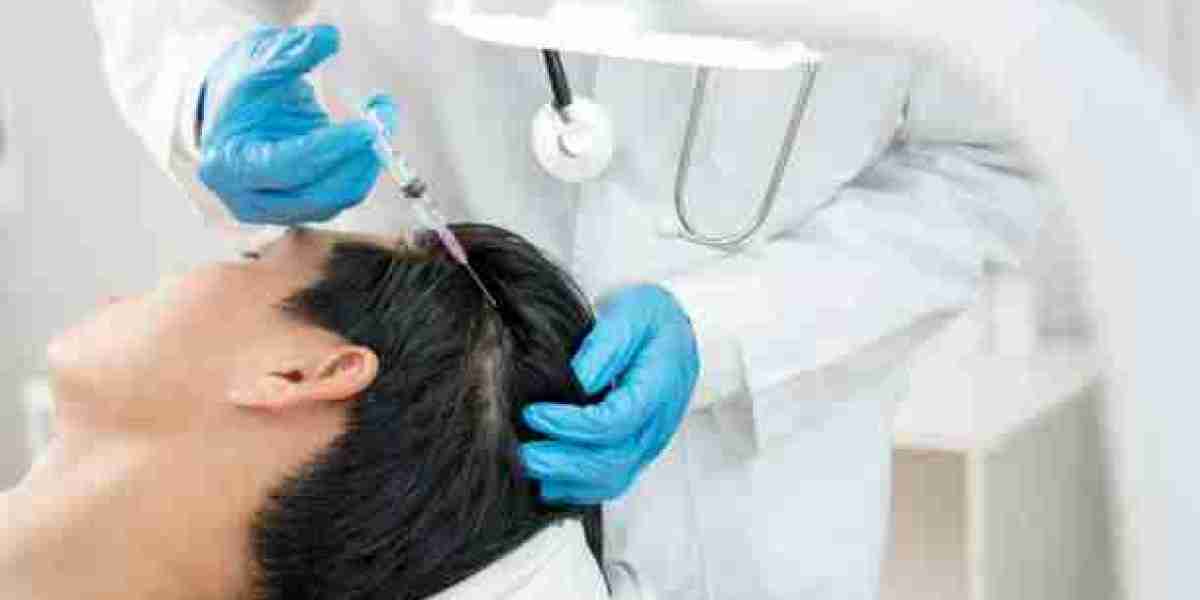
A typical session begins with a consultation to assess hair loss and identify the areas requiring attention. A small blood sample is collected and processed to separate platelet-rich plasma. After the scalp is cleaned, the prepared plasma is injected into selected areas using fine needles. A topical numbing agent may be used to improve comfort. Most sessions take place in an outpatient clinical setting, and many people can resume normal daily activities afterward. Mild tenderness, temporary redness, swelling, or bruising may occur following the procedure.
Benefits of Platelet-Based Hair Restoration
One important feature of PRP is that it uses material obtained from the patient's own blood. It is a nonsurgical approach that generally requires little downtime compared with surgical hair restoration. Suitable candidates may experience reduced shedding, improved hair thickness, or better hair density over time. PRP may also be considered alongside other evidence-based hair loss treatments when recommended by a clinician. However, outcomes vary, and scientific evidence is still developing. Discussing the potential benefits and limitations with a qualified professional helps establish realistic expectations before starting treatment.
How Many PRP Sessions Are Required?
Hair restoration takes time because hair follicles follow a gradual growth cycle. Treatment plans often involve several initial sessions scheduled at intervals, with maintenance sessions considered according to individual response. The number and frequency of sessions depend on the type of hair loss, the condition of the scalp, and the clinician's recommendations. Visible changes may take several months to develop, and some people may notice only modest improvement. Follow-up appointments and photographs taken under consistent lighting can help assess progress and determine whether adjustments are needed.
Preparing for Treatment and Following Aftercare
Before your appointment, tell your clinician about your medical history, medications, supplements, and any bleeding-related conditions. Never stop prescribed medication unless your healthcare professional advises you to do so. After treatment, follow the clinic's instructions regarding hair washing, scalp products, and physical activity. Keep the treated area clean and avoid irritating the scalp while it recovers. Temporary discomfort is possible, but worsening pain, significant swelling, fever, or other unusual symptoms should be reported to a healthcare professional promptly. Proper aftercare supports safe recovery and helps you understand what to expect.
Choosing the Right Hair Restoration Clinic
Choosing a suitable clinic is an important part of your hair restoration journey. Look for qualified healthcare professionals who conduct a thorough assessment, explain the procedure clearly, and follow appropriate hygiene and safety practices. A trustworthy provider should discuss possible side effects, realistic outcomes, alternative treatments, and the need for follow-up care. Avoid relying on promises of guaranteed hair growth because individual results differ. An individualized treatment plan based on your diagnosis and goals is more valuable than selecting a procedure simply because it is popular.
Book Your Appointment at Royal Clinic Saudi
If you are concerned about hair thinning or reduced hair density, Royal Clinic Saudi can be a starting point for exploring appropriate hair restoration options. Arrange a consultation to discuss your concerns, understand the procedure, and determine whether PRP hair treatment in Riyadh may suit your needs. A professional assessment can help you make an informed decision and establish realistic expectations for your hair restoration journey. Contact Royal Clinic Saudi to inquire about an appointment.
FAQs:
1. Is PRP hair treatment suitable for everyone?
PRP may help certain types of hair loss, but a professional assessment is necessary.
2. How long does PRP take to show results?
Results may become noticeable after several months, depending on individual response.
3. Is PRP hair treatment painful?
Mild discomfort may occur during injections. Numbing agents can help reduce it.
4. Can PRP permanently stop hair loss?
No, results are not guaranteed to be permanent, and maintenance sessions may be needed.