
Recovering after nasal surgery requires patience, proper care, and attention to your surgeon’s instructions. Septoplasty in Dubai is a surgical procedure designed to correct a deviated nasal septum, improve airflow, and address breathing difficulties caused by structural problems inside the nose. Although the procedure focuses on improving nasal function, the recovery period is essential for supporting healing and reducing the risk of complications.
Knowing what to avoid after surgery can help patients manage swelling, prevent unnecessary bleeding, and support a smoother recovery. Activities such as strenuous exercise, forceful nose blowing, smoking, and sleeping in an unsuitable position may interfere with the healing process. Patients undergoing Nose deviated septum surgery in Dubai should follow an individualized aftercare plan based on their procedure and overall health.
At Perfect Doctors Clinic, patients can seek guidance about nasal procedures and postoperative care. Under the guidance of Dr Perfect Celebrity, patients can discuss their recovery concerns and understand the precautions that may help protect their surgical results.
Why Is Proper Septoplasty Recovery in Dubai Important?
The nasal septum separates the two nasal passages. When it is significantly deviated, it may contribute to nasal obstruction, difficulty breathing, and other symptoms. Septoplasty repositions or reshapes the septum to improve airflow while preserving the nose's external appearance in most cases.
During Septoplasty recovery in Dubai, the tissues inside the nose need time to heal. Swelling, congestion, mild discomfort, and small amounts of blood-tinged discharge may occur during the early recovery period. These symptoms generally improve gradually, although complete internal healing can take longer.
Following medical instructions and avoiding activities that increase pressure inside the nose can reduce unnecessary irritation. Patients should also attend follow-up appointments so their surgeon can assess healing and address concerns.
What Should You Avoid After Septoplasty Surgery in Dubai?
1. Avoid Blowing Your Nose Forcefully
Forceful nose blowing can increase pressure inside the nasal passages and may trigger bleeding or disturb healing tissues. Patients are generally advised to avoid blowing their nose during the initial recovery period, according to their surgeon's instructions.
If you need to sneeze, try to sneeze with your mouth open rather than forcing the sneeze through your nose. This helps reduce pressure on the healing nasal structures.
Ask your surgeon when it is safe to resume normal nose-blowing habits. Do not insert tissues, cotton swabs, or other objects into your nostrils unless specifically instructed.
2. Do Not Resume Strenuous Exercise Too Soon
Physical activity that increases your heart rate and blood pressure may raise the risk of postoperative nasal bleeding. Heavy lifting, running, intense gym sessions, and high-impact sports should therefore be avoided during the initial recovery period.
Light walking may be encouraged when your surgeon considers it appropriate because it supports general mobility without placing excessive strain on the healing tissues.
The timing for returning to exercise depends on your healing progress and the details of your Septoplasty procedure Dubai. Contact your surgeon before restarting strenuous workouts or activities that could result in an accidental impact to your nose.
3. Avoid Smoking and Nicotine Products
Smoking can reduce oxygen delivery to tissues and interfere with the body's healing response. Nicotine may also affect blood circulation, potentially increasing the risk of delayed healing.
Avoid smoking, vaping, and other nicotine products before and after surgery for the period recommended by your surgeon. Exposure to secondhand smoke should also be minimized when possible.
Avoid alcohol during the initial recovery period, particularly while taking prescription pain medication or other medicines that may interact with it. Ask your healthcare professional when it is safe to resume drinking.
4. Do Not Sleep Flat if Your Surgeon Recommends Elevation
Sleeping with your head elevated can help manage swelling and improve comfort during the early stages of recovery. Using extra pillows or a suitable wedge pillow may make it easier to maintain a slightly elevated position.
Avoid sleeping face-down or placing pressure on your nose. Side sleeping may also be uncomfortable or undesirable immediately after surgery, depending on your surgeon's recommendations.
Follow the positioning advice provided during your Septoplasty consultation in Dubai, and ask when you can return to your usual sleeping position.
5. Avoid Touching or Pressing Your Nose
The nasal tissues may feel swollen, sensitive, or congested after surgery. Repeatedly touching the nose, pressing the bridge, or attempting to adjust internal dressings can interfere with healing.
Do not remove nasal splints, packing, or other surgical materials yourself. These should be managed by your medical team according to the treatment plan.
If you experience unusual pressure, worsening pain, or concerns about the position of a dressing, contact your surgeon instead of attempting to correct it at home.
6. Avoid Hot Showers and Excessive Heat Initially
Very hot showers, saunas, steam rooms, and other sources of excessive heat may increase blood flow and potentially contribute to swelling or bleeding during early recovery.
Choose comfortably warm showers and avoid exposing your face to excessive heat until your surgeon confirms that these activities are appropriate.
Follow any specific bathing and wound-care instructions provided after surgery, especially if additional nasal procedures were performed alongside septoplasty.
7. Do Not Ignore Medication and Nasal-Care Instructions
Taking medication incorrectly or using unapproved nasal products can complicate recovery. Use prescribed medicines exactly as directed, and consult your surgeon before taking additional medications or supplements.
Some medicines, including certain anti-inflammatory pain relievers, can increase bleeding risk in particular circumstances. Do not start or stop prescribed medication without professional guidance.
Saline sprays or rinses may be recommended to keep the nasal passages moist and help manage crusting. However, the timing and method of nasal cleaning should follow your surgeon's instructions. Never begin forceful irrigation without approval.
Which Daily Habits Should You Avoid During Septoplasty Recovery?
8. Avoid Activities That Could Injure Your Nose
Contact sports, rough play, and activities with a risk of facial impact should be avoided until your surgeon clears you. Even an accidental bump may cause discomfort or interfere with healing.
If your work involves heavy physical activity, dust, chemicals, or a risk of facial injury, discuss when it is appropriate to return. Patients with physically demanding jobs may need a longer period away from work than those with desk-based responsibilities.
9. Do Not Return to Work Before You Are Ready
Returning to normal routines too quickly may increase fatigue and make postoperative care more difficult. Allow yourself sufficient time to rest, particularly during the first few days after surgery.
Avoid prolonged bending, heavy lifting, and other activities that cause pressure or discomfort. Follow your surgeon's advice regarding driving, especially while taking medicines that cause drowsiness or affect concentration.
Recovery varies from person to person, so avoid comparing your progress directly with another patient's experience.
10. Avoid Missing Follow-Up Appointments
Follow-up visits allow your surgeon to evaluate healing, remove or assess surgical materials when necessary, and identify problems early. Skipping appointments may delay treatment if a complication develops.
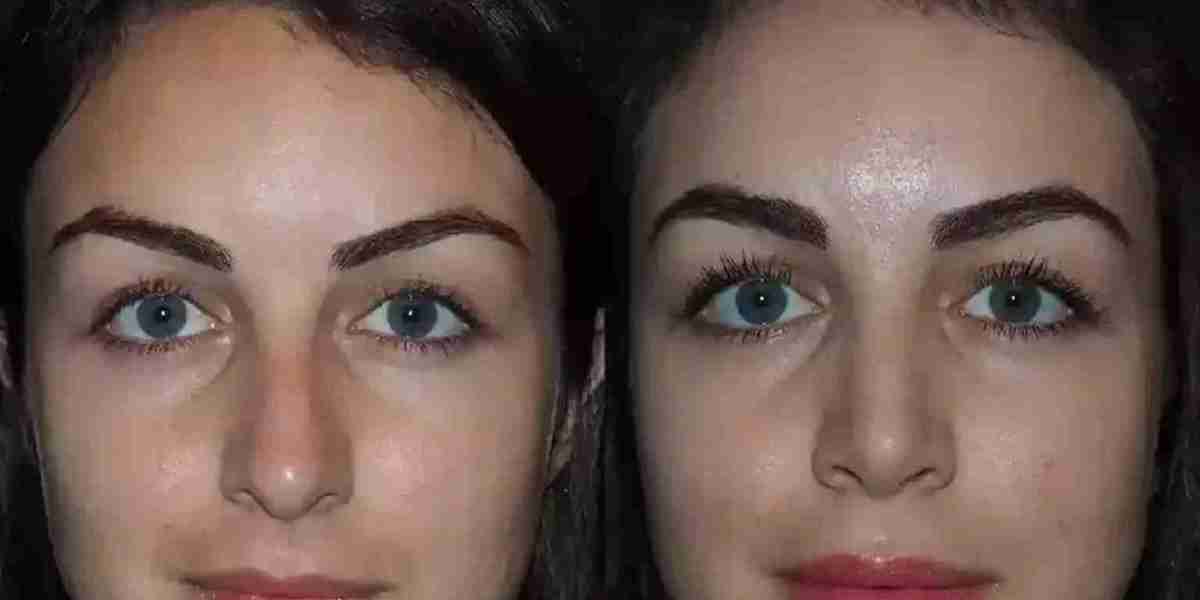
During these visits, discuss persistent congestion, pain, crusting, or questions about returning to exercise. Your surgeon can also explain what to expect from your Septoplasty before and after results and how long internal swelling may take to settle.
What Are the Warning Signs from the Best Doctors in Dubai During Septoplasty Recovery?
Although some congestion and mild discomfort are expected, certain symptoms require prompt medical attention. Contact the Best Doctors in Dubai if you experience persistent or worsening pain, increasing redness or swelling, fever, or unusual nasal discharge.
Seek urgent medical care for heavy or uncontrolled bleeding, difficulty breathing, sudden visual changes, severe headache, or other rapidly worsening symptoms. Do not assume that severe symptoms are a normal part of recovery.
Following professional instructions and seeking timely medical advice can help reduce the risk of complications.
How Can You Prepare for Septoplasty in Dubai?
Preparation begins with a thorough assessment of your nasal structure, symptoms, medical history, and treatment goals. During your consultation, ask about the expected recovery timeline, activity restrictions, medication precautions, and follow-up schedule.
Patients considering Septoplasty in Dubai should understand the difference between functional septoplasty and procedures intended to change the external appearance of the nose. Septoplasty primarily addresses the nasal septum, while rhinoplasty focuses on reshaping external nasal structures. In some cases, both procedures may be performed together.
Your surgeon can explain the available Septoplasty treatment options in Dubai, the expected benefits, and any additional precautions required for your situation. The Septoplasty cost in Dubai may vary depending on the procedure, facility, anesthesia, and individual treatment requirements. A quote from the best septoplasty surgeons in dubai, consider qualifications, relevant surgical experience, communication, and the quality of postoperative care. Patients may also compare the experience of the Best plastic surgeons in Dubai for Septoplasty when their treatment involves combined functional and cosmetic concerns.
At Perfect Doctors Clinic, patients can discuss Nasal septum correction in Dubai and learn about individualized care. A consultation with Dr Perfect Celebrity can help patients understand the procedure, recovery expectations, and the precautions relevant to their treatment.
Conclusion
Successful recovery after Septoplasty in Dubai depends on more than the surgical procedure itself. Avoiding forceful nose blowing, strenuous exercise, smoking, pressure on the nose, and unapproved medications can help protect healing tissues. Following nasal-care instructions, attending follow-up appointments, and allowing adequate time for rest are equally important.
Patients should remember that recovery timelines vary and that their surgeon's advice takes priority over general recommendations. With appropriate aftercare, realistic expectations, and timely medical support, patients can work toward improved nasal function and a more comfortable recovery.
Frequently Asked Questions
1. How long does recovery from Septoplasty in Dubai take?
Many patients begin feeling better within one to two weeks, although congestion and internal swelling may persist longer. Complete healing can take several weeks or months, depending on the procedure and individual recovery.
2. When can I blow my nose after septoplasty?
Patients are commonly advised to avoid nose blowing during the initial recovery period. Follow your surgeon's specific instructions about when and how to resume it safely.
3. Can I exercise after Septoplasty surgery in Dubai?
Light walking may be appropriate soon after surgery, but strenuous exercise and heavy lifting should be avoided until your surgeon gives clearance. Returning too early may increase the risk of bleeding.
4. Is nasal congestion normal after septoplasty?
Yes. Swelling, crusting, and temporary congestion are common during healing. Symptoms should generally improve over time. Contact your surgeon if congestion worsens or is accompanied by severe pain, fever, or other concerning symptoms.
5. Can I sleep on my side after septoplasty?
Your surgeon may recommend sleeping on your back with your head elevated during early recovery. Ask when you can safely return to side sleeping without placing pressure on your nose.
6. Should I avoid smoking after Septoplasty in Dubai?
Yes. Smoking and nicotine products can interfere with tissue healing. Avoid them for the period recommended by your surgeon, including during the initial recovery phase.
7. When can I return to work after septoplasty?
Some patients return to desk-based work within approximately one week, while others need additional rest. The appropriate time depends on your symptoms, job responsibilities, and surgeon's advice.
8. What is the Septoplasty cost in Dubai?
The Septoplasty cost in Dubai depends on surgical complexity, anesthesia, facility charges, and individual treatment requirements. Patients should request a personalized quotation that clearly explains the services included.
9. Will Septoplasty before and after results change the appearance of my nose?
Septoplasty primarily corrects the internal nasal septum and usually does not significantly change the external appearance of the nose. If external reshaping is needed, your surgeon can explain whether rhinoplasty or a combined procedure is appropriate.
10. When should I contact the Best Septoplasty Surgeon in Dubai during recovery?
Contact the Best Septoplasty Surgeon in Dubai for worsening pain, fever, increasing swelling, or persistent bleeding. Seek urgent medical attention for heavy bleeding, breathing difficulties, visual changes, or other severe symptoms.