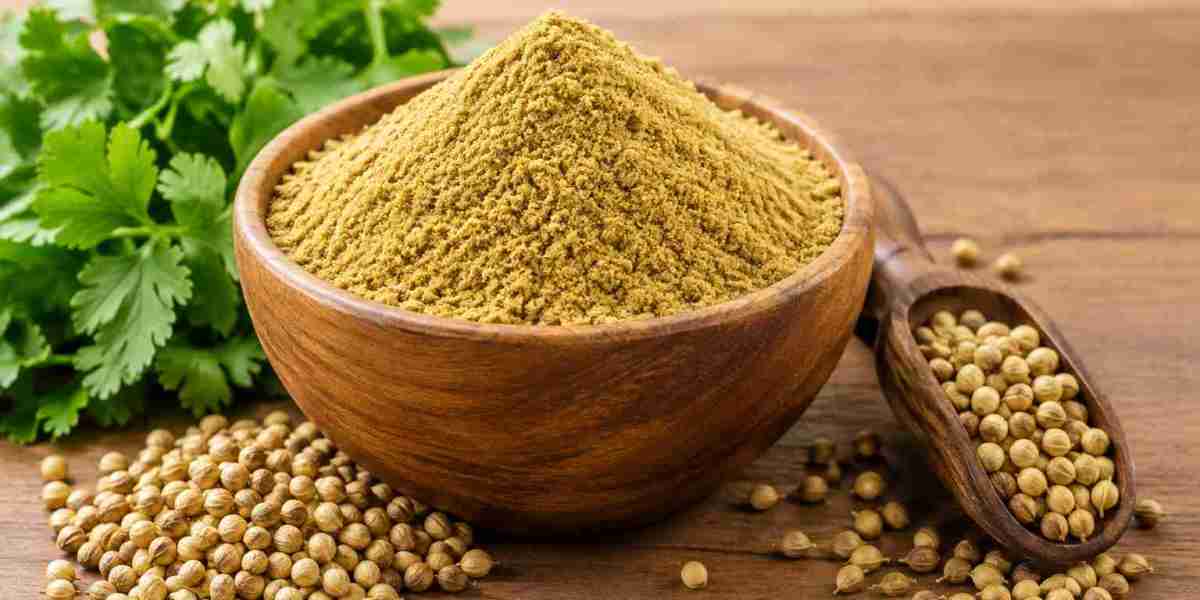

Coriander powder, commonly known as dhaniya powder, is an essential ingredient in Indian cooking. Its mild, earthy flavour and pleasant aroma complement a wide variety of dishes, including vegetable curries, dals, gravies, and homemade spice blends. Although it is used in small quantities, the quality of coriander powder can influence the overall taste and aroma of a meal.
With many brands and varieties available, choosing the right product may seem confusing. Factors such as aroma, texture, packaging, ingredients, and storage conditions can help you make a more informed decision. Understanding these details makes it easier to select coriander powder that suits your cooking preferences.
1. Check the Aroma Before Choosing
Aroma is one of the most noticeable characteristics of coriander powder. Good-quality coriander powder generally has a warm, earthy, slightly citrusy fragrance. This characteristic aroma comes from naturally occurring compounds present in coriander seeds.
When purchasing packaged spices, check the product information and buy from a reliable source. If you are buying from a store where the product can be inspected safely, avoid powders with unusual or unpleasant smells. A weak aroma may indicate that the spice has been stored for a long time or exposed to unsuitable conditions.
However, aroma alone cannot establish purity. It should be considered alongside other factors, such as packaging, ingredients, and the reputation of the manufacturer.
2. Observe the Colour and Texture
Coriander powder can vary in colour depending on the coriander seeds used and the processing method. It may range from light brown to a deeper brownish-green shade. Therefore, the brightest or darkest powder is not necessarily the best choice.
Texture is another useful consideration. A good product should have a reasonably consistent grind suitable for everyday cooking. Excessive clumping may indicate exposure to moisture, although some clumping can occur under different storage conditions.
Avoid judging a product only by its appearance. Colour and texture can offer useful clues, but neither can confirm that the spice is pure or free from contaminants. Look at the overall product quality rather than relying on a single characteristic.
3. Understand the Benefits of Dhaniya Powder
The benefits of Dhaniya powder extend beyond the flavour it adds to food. Coriander powder helps create balanced seasoning in traditional Indian recipes and pairs well with ingredients such as cumin, turmeric, ginger, garlic, and red chilli. Its mild flavour allows it to complement other spices without overpowering them.
Coriander seeds also contain naturally occurring plant compounds and small amounts of nutrients. However, the nutritional contribution of coriander powder depends on the quantity consumed. It is best enjoyed as part of a varied, balanced diet rather than treated as a remedy for health conditions.
Choosing good-quality coriander powder helps you get the expected flavour and aroma from this versatile kitchen ingredient. For daily cooking, freshness, proper packaging, and reliable sourcing are more useful selection criteria than exaggerated claims about its benefits.
4. Read the Ingredient Label Carefully
Reading the product label is an important step when buying packaged coriander powder. Check whether coriander is listed as the ingredient and look for clear manufacturer details, batch information, and a best-before date.
A properly labelled product helps you understand what you are purchasing. The packaging should also be intact and suitable for food storage. Avoid products with damaged seals, unclear labels, or signs of moisture entering the package.
It is equally important to be cautious of unrealistic claims. Statements about purity and quality should be supported by credible product information and appropriate food-safety practices. A transparent label can help you compare different options and make a more informed choice for your kitchen.
5. Consider Processing and Manufacturing Practices
The way coriander seeds are cleaned, dried, ground, and packed can influence the finished product. Proper handling and hygienic processing are important for maintaining quality and reducing the risk of contamination.
Some consumers prefer spices prepared using traditional methods because of their connection with familiar cooking practices. Nevertheless, a traditional method does not automatically guarantee better quality. The condition of the raw ingredients, cleanliness of the equipment, and storage after processing also matter.
When comparing products, look for manufacturers that provide clear information about their preparation methods and follow suitable food-safety standards. Consistent product information can help you choose spices with greater confidence.
6. Check Packaging and Storage Conditions
Even good coriander powder can lose its characteristic aroma if it is stored incorrectly. Choose sealed packaging that protects the spice from moisture, air, and external contamination. Check that the packet is not torn, damp, or damaged before purchasing.
Once opened, transfer the powder to a clean, dry, airtight container if necessary. Store it in a cool cupboard away from direct sunlight, steam, and heat from the stove. Always use a dry spoon and close the lid after each use.
Buying a quantity that matches your household's cooking habits can also help. Smaller quantities may be more practical if you use coriander powder occasionally, while frequent cooks may prefer larger packs that can be consumed while retaining their expected aroma.
7. Explore Traditional Spice Preparation
Traditional spice preparation remains an important part of India's culinary heritage. Pounded spices are associated with traditional approaches to processing spices, appealing to people who appreciate familiar food preparation practices. When choosing such products, it is still important to consider ingredient quality, hygienic handling, packaging, and the reliability of the manufacturer.
For everyday use, select coriander powder that suits your recipes and comes with clear product information. Proper sourcing and storage can help maintain its flavour, making it a useful addition to dals, curries, vegetable dishes, and homemade masalas.
Conclusion
Choosing good-quality coriander powder involves more than comparing prices or looking at colour. Aroma, texture, ingredient labels, packaging, manufacturing practices, and storage conditions all contribute to an informed purchase.
By paying attention to these details, you can select dhaniya powder that suits your cooking needs and maintain its quality at home. A reliable product, handled and stored properly, can help bring the familiar earthy flavour of coriander to your everyday meals.