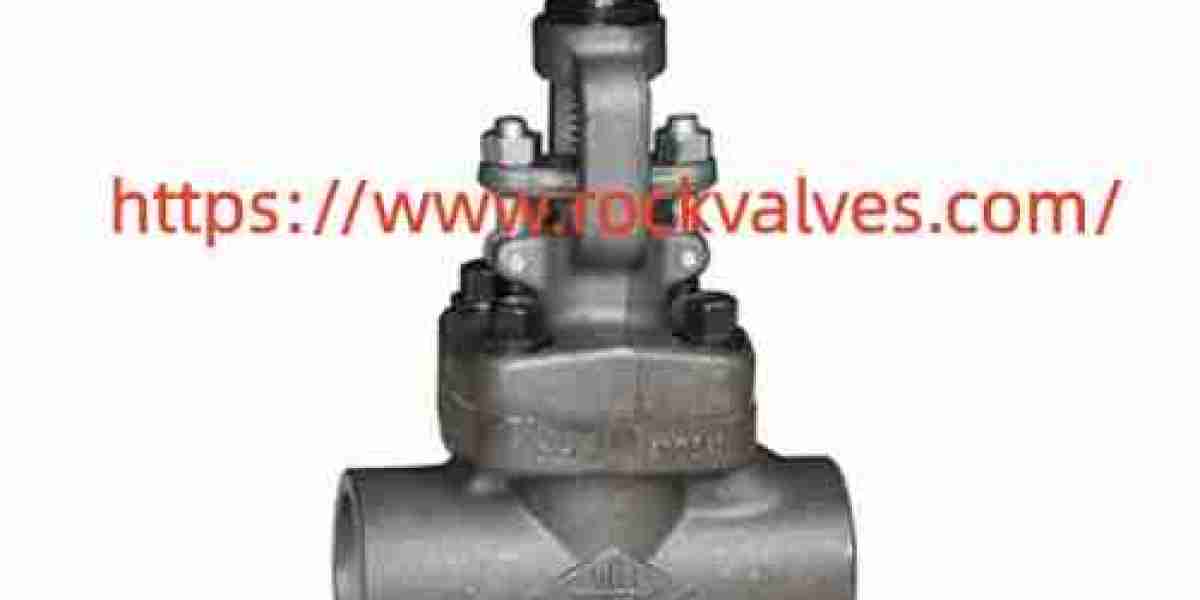

Cast Steel Gate Valve selection requires careful consideration of pipeline conditions, material specifications, and operating requirements. For industrial buyers, the purchasing process should begin with a clear understanding of the system rather than a simple comparison of product prices. Factors such as working pressure, fluid temperature, media composition, connection dimensions, and operating frequency can influence equipment suitability. Reviewing these details before placing an order helps procurement teams communicate their needs clearly and reduce the possibility of installation or compatibility problems.
The first step is to identify the purpose of the equipment within the pipeline. Gate valves are commonly used for on and off service, where the main objective is to isolate a section of the system. They are generally intended to operate in fully open or fully closed positions rather than provide continuous flow regulation. Buyers should explain whether the equipment will serve a water distribution network, power facility, petrochemical plant, or another industrial application. The intended duty helps determine which design characteristics deserve particular attention.
Material selection is another important part of the specification process. Different industrial environments expose valve components to different combinations of pressure, temperature, moisture, and chemical substances. Buyers should confirm the body and trim material grades against the expected operating conditions. They should also consider corrosion risks and the mechanical properties required for the application. Material certificates may be requested when traceability is important to the project. Providing the manufacturer with accurate process information allows the proposed materials to be evaluated against the actual service environment.
Pressure and temperature ratings should be checked together rather than considered independently. The selected equipment must be suitable for the system design conditions, including expected operating variations. Procurement teams should verify the applicable pressure class, rated temperature range, and relevant design requirements. If a pipeline experiences pressure fluctuations, frequent startup and shutdown cycles, or significant temperature changes, these factors should be included in the technical inquiry. Clear operating data helps reduce uncertainty during product selection and supports a more informed engineering review.
Dimensional compatibility also affects project coordination. Before confirming an order, buyers should check nominal diameter, flange standards, drilling patterns, face to face dimensions, and installation orientation. These details should correspond with the approved pipeline drawings and connected equipment. Even a small dimensional discrepancy can lead to additional work during installation. For projects involving multiple sizes, preparing a valve schedule with quantities, connection details, and service conditions can make specification reviews more efficient. It also gives the manufacturer a clearer reference when preparing drawings and production documents.
The internal construction and operating mechanism deserve attention as well. Buyers may need to evaluate the wedge design, stem arrangement, bonnet configuration, and sealing surfaces according to the intended application. The operating method is another practical consideration. A handwheel may be appropriate for a manually operated installation, while a geared mechanism or actuator may be necessary when operating force, accessibility, or remote control requirements make direct operation unsuitable. The final configuration should reflect the available installation space, expected operating frequency, and maintenance procedures.
Quality inspection is an essential part of the purchasing discussion. Buyers can ask about material verification, dimensional checks, pressure testing, visual inspection, and applicable acceptance criteria. The required inspection scope depends on the product specification, relevant standards, and project contract. Procurement teams should clarify which tests are included and whether inspection reports or material records will accompany the shipment. Where third party inspection is required, the arrangements should be agreed upon before production starts. Clear expectations help avoid misunderstandings during final inspection and delivery.
Manufacturing capability and communication can also influence the purchasing experience. Buyers should provide drawings, quantities, required delivery dates, packaging instructions, and any project specific documentation requirements when requesting a quotation. They should ask how design clarifications and specification changes will be handled during production. For repeat orders, retaining approved drawings and product records can simplify communication and help maintain consistency between purchasing cycles. Delivery schedules should be discussed in relation to the wider project plan so that equipment arrival can be coordinated with installation activities.
Maintenance requirements should be considered before selecting the final configuration. Access to the stem, packing area, bolting, and other serviceable components can affect the time and effort needed for routine inspection. Buyers should also discuss spare part availability, maintenance guidance, and warranty conditions with the supplier. Although the initial purchase price matters, it is useful to assess it alongside expected servicing needs, installation costs, and the consequences of unplanned downtime. Comparing quotations against the same technical specification provides a more meaningful basis for evaluating the available options.
As an industrial valve manufacturer, Rockv works with buyers who need to coordinate product specifications with real pipeline requirements. Preparing details about the medium, pressure, temperature, nominal diameter, connection standard, operating method, and inspection expectations can make technical discussions more productive. These details also help clarify which product configuration should be considered for the project. To review available industrial valve solutions and discuss your application with the Rockv team, visit https://www.rockvalves.com/ and share your technical requirements for further evaluation.