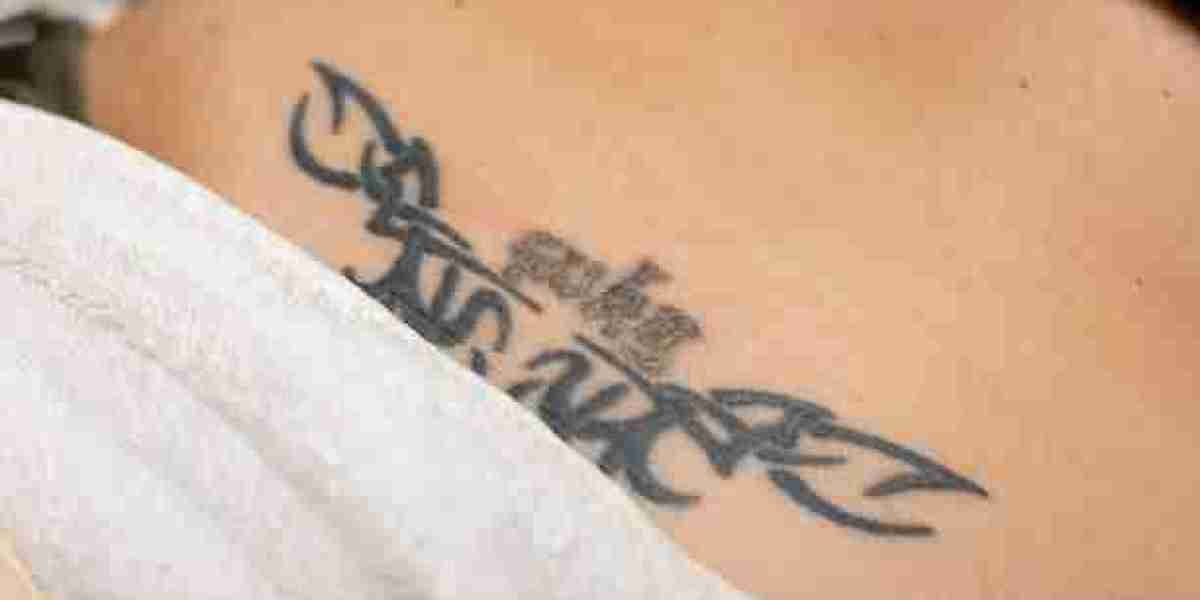

However, personal choices and circumstances can change over time, leading many people to consider removing unwanted tattoos. Whether you want to fade an old design, remove a tattoo that no longer reflects your identity, or prepare your skin for a new look, understanding the available treatment options is an important first step. Modern laser technology offers a popular approach to tattoo removal by targeting the ink beneath the skin while helping preserve the surrounding tissue.
Choosing Laser Tattoo Removal in Riyadh allows individuals to explore advanced tattoo removal techniques with professional guidance. The treatment uses specialized laser energy to break tattoo pigment into smaller particles, which the body's natural processes gradually eliminate. The number of sessions and the results depend on several factors, including ink color, tattoo size, skin type, ink depth, and the age of the tattoo. Learning how the procedure works, what to expect during recovery, and how to care for your skin can help you make an informed decision.
What Is Laser Tattoo Removal?
Laser tattoo removal is a non-surgical cosmetic procedure designed to reduce or eliminate unwanted tattoo ink. It uses controlled pulses of laser energy that interact with pigment particles within the skin. These particles absorb the energy and break into smaller fragments, allowing the body's immune system to gradually clear them away.
Unlike traditional tattoo removal methods that may involve more invasive techniques, laser treatment focuses on targeting tattoo pigment. A qualified professional assesses the tattoo and determines the appropriate treatment approach according to individual skin characteristics and treatment goals.
How Does Laser Tattoo Removal Work?
The Role of Laser Technology
During treatment, the laser delivers short pulses of energy to the tattooed area. Different wavelengths may be used to target different ink colors because each pigment responds differently to laser energy. Black and dark blue inks often respond more readily, while certain green, yellow, and light-colored pigments can be more challenging to remove.
The Importance of Multiple Sessions
Tattoo removal usually requires several sessions rather than a single appointment. The laser breaks down the pigment gradually, and the skin needs time between treatments to heal while the body processes the fragmented ink. The number of sessions varies depending on the tattoo's complexity, ink composition, and individual response to treatment.
Who Is a Suitable Candidate for Laser Tattoo Removal?
Laser tattoo removal may be suitable for individuals who want to reduce or remove unwanted tattoos for personal, professional, or aesthetic reasons. People with older tattoos, faded designs, or certain dark-colored inks may respond differently from those with newer tattoos or multiple ink colors.
A professional consultation is essential before starting treatment. During the assessment, the practitioner evaluates your skin type, tattoo location, ink colors, medical history, and expectations. Certain skin conditions, active infections, a tendency to develop raised scars, or specific medications may affect treatment suitability. A personalized assessment helps determine the safest and most appropriate approach.
What to Expect During the Treatment Process
Before Your Appointment
Before treatment, your provider examines the tattoo and discusses your goals, expected results, and possible side effects. You may receive instructions about sun exposure, skincare products, and medications that could affect healing. Following these recommendations helps prepare your skin for the procedure.
During the Procedure
The treatment area is cleaned, and appropriate protective eyewear is provided. Depending on the tattoo and treatment settings, you may experience a snapping sensation, warmth, or temporary discomfort. The duration of the appointment depends on the size and complexity of the tattoo.
Aftercare and Recovery
After treatment, the skin may appear red, swollen, or sensitive. Temporary blistering or scabbing can also occur. Keeping the area clean, following professional aftercare instructions, avoiding unnecessary sun exposure, and refraining from picking at the skin can support healing. Contact your healthcare provider if you experience increasing pain, spreading redness, pus, or other signs of infection.
Benefits of Laser Tattoo Removal
Laser tattoo removal offers several advantages for people seeking a less invasive approach to unwanted tattoo ink. It can target specific tattooed areas without requiring surgical removal, and treatment settings can be adjusted according to the ink and skin characteristics. Gradual fading also allows the treatment plan to be adapted as the tattoo responds.
However, complete removal cannot be guaranteed. Some tattoos may leave residual pigment or changes in skin color or texture. Understanding these limitations before treatment helps establish realistic expectations and supports better decision-making.
Why Choose Enfield Royal Clinic for Tattoo Removal?
Selecting a clinic for tattoo removal involves more than choosing a convenient location. It is important to understand the technology being used, the qualifications of the treating professional, the clinic's hygiene standards, and the aftercare support available throughout the process.
At Enfield Royal Clinic, individuals can seek professional guidance about their tattoo removal concerns and explore treatment options based on their skin and tattoo characteristics. A consultation provides an opportunity to discuss expected outcomes, potential risks, recovery requirements, and the likely number of sessions. Clear communication and an individualized approach can help you make a confident and informed decision.
Frequently Asked Questions
Can laser tattoo removal completely remove a tattoo?
The results depend on the tattoo's size, ink colors, depth, age, and your body's response. Many tattoos fade significantly, but complete removal is not guaranteed, and some pigment may remain.
Is laser tattoo removal painful?
Some people experience a snapping or stinging sensation during treatment. Discomfort varies depending on the tattoo's location, size, and individual sensitivity. Your provider can discuss appropriate comfort measures before the procedure.
How many sessions are needed to remove a tattoo?
The number of sessions varies from person to person. Tattoo characteristics, ink colors, skin response, and the time allowed for healing between appointments all influence the treatment plan.
Are there any side effects of laser tattoo removal?
Temporary redness, swelling, tenderness, blistering, and changes in skin pigmentation may occur. Scarring and infection are less common but possible, making professional treatment and proper aftercare important.
How should I care for my skin after laser tattoo removal?
Follow your provider's aftercare instructions, keep the treated area clean, avoid picking blisters or scabs, and protect the skin from sunlight. Seek medical advice if you notice signs of infection or unexpected healing problems.
Book Your Consultation at Enfield Royal Clinic
If you are considering tattoo removal and want to understand which treatment options may suit your needs, take the first step by arranging a consultation with Enfield Royal Clinic. Discuss your goals, learn about the expected treatment process, and receive personalized guidance on sessions, recovery, and realistic outcomes. With the right information and professional assessment, you can make a more informed decision about achieving clearer-looking skin.