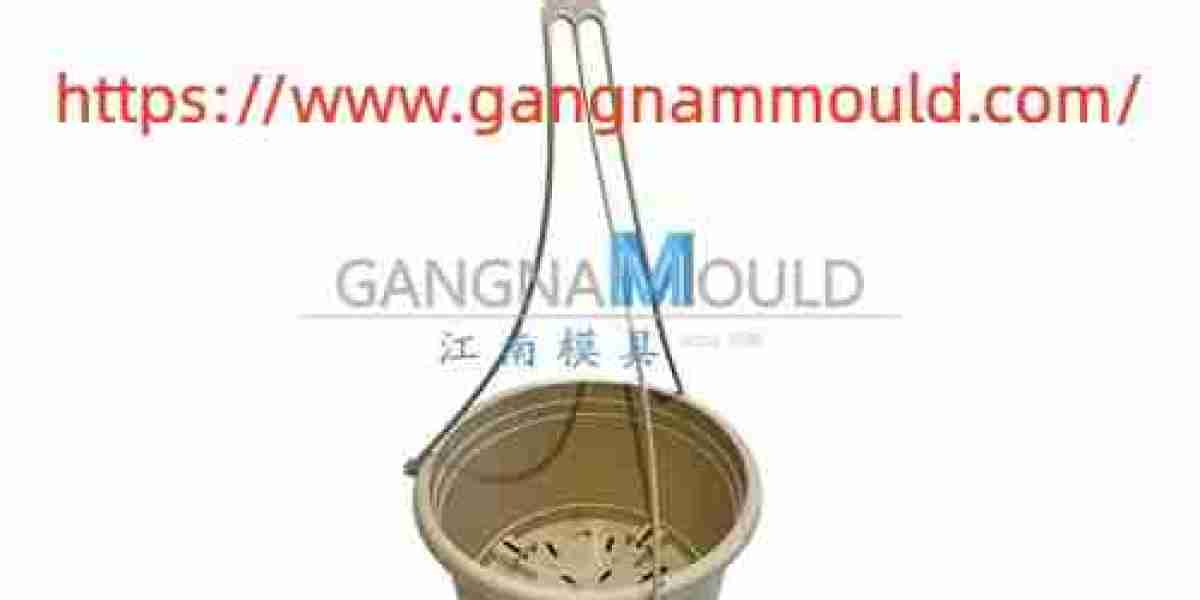

Plastic Flower Pot Mold selection involves several considerations that can influence product quality, manufacturing costs, and production planning. Buyers should assess dimensions, cavity structure, material compatibility, surface finish, and equipment requirements before placing an order. For businesses producing decorative containers for garden centers, nurseries, retailers, and landscaping suppliers, careful preparation helps align tooling specifications with customer expectations. Gangnammould supports manufacturers looking for moulding solutions that reflect their product designs and production goals.
A clear product brief is a useful starting point. Buyers should identify the intended container size, shape, wall thickness, drainage arrangement, and decorative features. A small indoor planter may require different specifications from a large outdoor container designed to hold heavier soil loads. Reference drawings, sample products, and dimensional measurements help the manufacturer understand the intended design and assess whether adjustments are needed before production begins.
Material compatibility deserves careful attention. Different plastics have varying levels of stiffness, impact resistance, weather resistance, and processing requirements. The appropriate resin depends on where the finished container will be used and how it will be handled. Buyers should discuss the intended material with the mould manufacturer because shrinkage, flow behavior, and cooling characteristics can affect cavity dimensions and the final product shape.
Another consideration is the cavity configuration. Single cavity tooling may suit specialized designs or smaller production requirements, while multiple cavities may support larger manufacturing volumes. However, additional cavities can affect tooling complexity, machine compatibility, initial investment, and maintenance. Buyers should compare anticipated demand with production capacity before deciding which configuration fits their business plans.
Surface finish can influence how a container looks and how it fits a product collection. Smooth finishes may complement simple contemporary designs, while textured surfaces can imitate stone, woven patterns, or other decorative effects. The desired finish should be confirmed during the design stage because texture can affect machining methods, release behavior, and processing considerations. Providing clear visual references can help avoid misunderstandings during tooling development.
Drainage is another practical feature to consider. Many planting containers need openings that allow excess water to escape and support appropriate growing conditions. The number, size, and location of these openings should correspond to the container dimensions and intended use. Buyers should also consider whether separate drainage trays or matching accessories will be sold alongside the finished products. These related components may require coordinated dimensions and design planning.
Structural details can affect how containers perform during filling, transportation, and routine handling. Wall thickness, base geometry, rim shape, and reinforcing features should be evaluated according to the expected application. Adding unnecessary material can increase product weight and raw material consumption, while insufficient structural support may contribute to deformation. A technical review helps establish suitable dimensions and structural arrangements before manufacturing starts.
Cooling and ejection systems are also important parts of tooling development. Plastic needs to cool under appropriate conditions before the finished component can be released. Uneven cooling may contribute to warping or dimensional variation, while unsuitable ejection arrangements may leave marks or deform delicate features. The manufacturer should evaluate cavity geometry, draft angles, cooling channel placement, and the intended processing material when planning the tooling structure.
Production equipment compatibility should be confirmed before an order is finalized. Buyers can provide information about the available injection moulding machine, including platen dimensions, clamping force, and injection capacity. These details help the manufacturer evaluate whether the proposed tooling can operate within the intended production setup. Addressing equipment limitations early may reduce the need for later adjustments.
Quality inspection should be included in the project plan. Initial samples allow buyers to check dimensions, drainage openings, surface appearance, rim consistency, and overall shape. If the container must fit a tray or match other products in a collection, those relationships should also be verified. Clear acceptance criteria help both parties evaluate samples and communicate any required modifications.
Maintenance and long term production needs deserve attention as well. Buyers should ask about cleaning procedures, inspection intervals, replaceable components, and technical support arrangements. Tooling that is maintained according to its operating requirements can help production teams manage wear and schedule servicing. Businesses expecting seasonal demand should also consider storage arrangements and plans for restarting production after extended periods of inactivity.
For companies developing new container collections or updating existing products, choosing a suitable manufacturing partner begins with clear specifications and practical technical discussions. Gangnammould helps buyers review tooling requirements related to dimensions, surface details, cavity arrangements, and production planning. Visit https://www.gangnammould.com/product/ to review the available product range and consider moulding solutions that correspond to your container designs, manufacturing requirements, and business objectives.