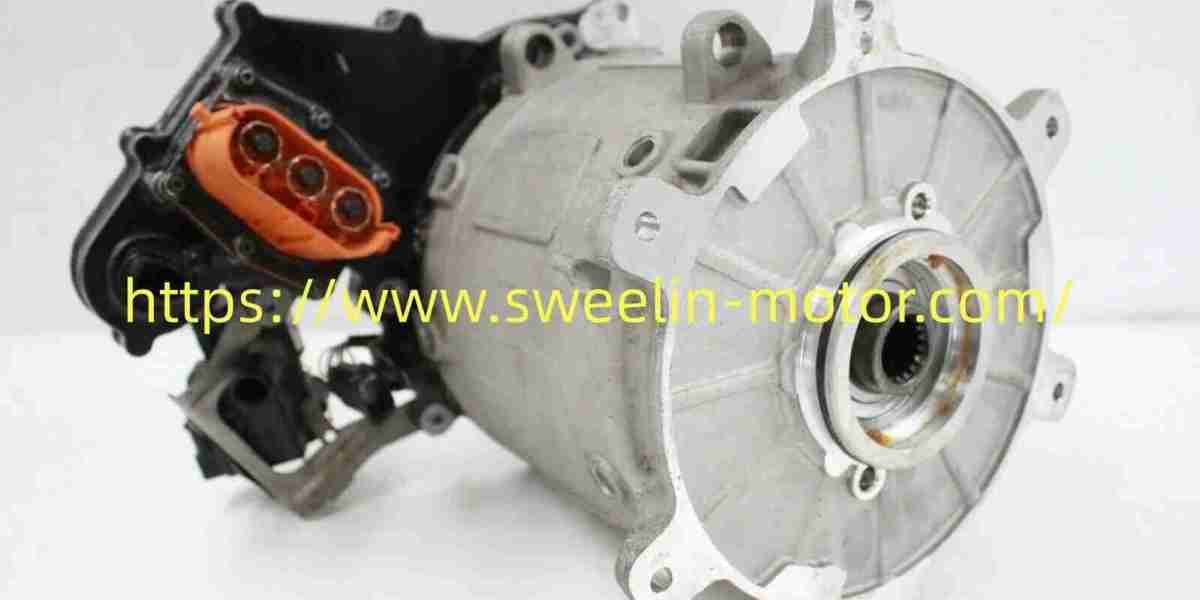

OEM Custom Electric Motor development starts when an equipment manufacturer needs a drive unit designed around specific installation dimensions, electrical requirements, or operating conditions. After submitting an inquiry, buyers generally move through several stages, including requirement review, technical clarification, drawing approval, sample evaluation, and production planning. Understanding these stages helps purchasing teams prepare information and make decisions before committing to an order.
Prepare a Clear Description of Your Application
The initial inquiry should explain how the unit will be used and what the finished equipment needs to achieve. A short application description gives the engineering team context for evaluating the request.
Prepare available electrical details, including rated power, supply voltage, frequency, operating speed, torque, and duty cycle. If the equipment starts frequently, operates under changing loads, or runs for extended periods, include that information as well.
Mechanical requirements also deserve attention. Provide the available installation space, shaft dimensions, mounting arrangement, connection position, and any restrictions imposed by surrounding components. Existing drawings, nameplate photographs, and reference samples can help clarify details that are difficult to explain in writing.
Finally, share the estimated order quantity, intended market, and target schedule. These details help establish the project scope and identify questions that need to be resolved before a quotation is prepared.
Discuss the Technical Requirements With the Manufacturer
After reviewing your inquiry, the manufacturer may request additional information. This discussion helps determine whether an existing design can be adapted or whether more extensive engineering work may be necessary.
For example, equipment used for pumping, ventilation, material handling, and processing can have different load characteristics. Starting conditions, operating duration, ambient temperature, and available cooling space may influence the proposed configuration.
Explain which requirements are fixed and which can be adjusted. A particular shaft dimension may be necessary to fit your machine, while the position of a connection box might allow alternatives. Clear priorities help both parties consider practical options without changing details that are essential to your design.
Ask for a written summary of the proposed configuration before moving forward. This provides a shared reference for technical discussions and reduces the risk of misunderstandings later in the project.
Review the Drawings and Quotation Carefully
Once the initial technical details have been clarified, the supplier may prepare dimensional drawings, specifications, and a commercial quotation. These documents connect the engineering proposal with your purchasing requirements.
Check the overall dimensions, mounting holes, shaft measurements, electrical ratings, connection details, and requested accessories. Confirm that the drawing matches your equipment layout and that all measurements use clearly identified units.
The quotation should state the agreed configuration, order quantity, customization scope, sample charges, tooling costs where applicable, payment terms, and estimated schedule. Ask whether inspection, special packaging, or additional documentation is included in the quoted price.
If your products will be sold in a particular country, discuss the relevant compliance requirements before approving the design. Applicable standards and documentation depend on the destination market and intended use.
Evaluate the Sample Before Approving Production
For projects that require a prototype, the sample gives your engineering team an opportunity to assess the proposed design before placing a larger order.
Agree on the sample specifications and evaluation criteria before testing begins. Check whether the unit fits the intended installation space, aligns with connected components, and uses the correct mounting and electrical connections.
Depending on the application, testing may cover operating speed, torque, current, temperature, noise, vibration, and insulation-related characteristics. The appropriate checks should follow the agreed technical specification and the equipment's actual operating requirements.
Record the results and identify any changes that are needed. If the sample requires adjustment, request revised drawings and confirm the updated configuration before another evaluation. Written approval establishes a clear reference for subsequent manufacturing.
Confirm Quality Procedures and Production Details
Before releasing the order, ensure that the approved drawings and technical documents match the accepted sample. Confirm product identification, inspection criteria, packaging requirements, and any agreed testing procedures.
Ask how incoming materials are checked, which production stages include inspections, and what verification takes place before finished goods are packed. The procedures should reflect the product design and the quality requirements agreed by both parties.
For repeat orders, clarify how specification revisions will be controlled. Changes to materials, dimensions, or components should be documented and approved through an agreed process rather than introduced without notification.
It is also useful to confirm production milestones and communication arrangements. Regular updates can help purchasing teams coordinate inventory, project schedules, and commitments to their own customers.
Plan Packaging, Shipment, and Future Orders
Packaging and delivery arrangements should be confirmed before production is completed. Review carton details, labels, shipping marks, packing quantities, and the documents needed for international transportation.
If you require private labeling or customized packaging, approve the artwork and product identification information before printing begins. Confirm the agreed shipping terms and estimated dispatch schedule, allowing additional time for freight arrangements and destination procedures where necessary.
Keep copies of the approved drawings, technical specifications, sample records, test reports, and purchase documents. These records can simplify future inquiries and help both parties identify the correct configuration when additional quantities are required.
For businesses planning a customized equipment project, clear communication and documented requirements provide a practical foundation for cooperation. To review available product information and discuss your application needs, visit https://www.sweelin-motor.com/product/ Prepare your electrical requirements, installation dimensions, expected quantity, and target delivery schedule before contacting the supplier. This information gives the technical team a clearer starting point for evaluating your request and discussing the next steps.