
Vinyl Flooring purchases require careful planning when importers, distributors, contractors, and wholesalers need products that match specific project requirements. Before placing an order, buyers should review product specifications, inspect physical samples, clarify installation conditions, and confirm packaging and delivery arrangements. A structured evaluation helps purchasing teams make informed decisions and communicate expectations clearly with suppliers.
Define the Requirements for Your Project
Start by identifying where the product will be installed and who will use the space. Residential renovations, rental properties, retail interiors, offices, and hospitality projects can have different requirements for appearance, traffic, maintenance, and installation.
Prepare a written specification covering plank dimensions, overall thickness, wear layer, core construction, surface finish, edge profile, and locking system where applicable. If the project requires attached underlay, particular colors, or specific packaging, include these details in the initial inquiry.
Buyers should also estimate the required quantity and expected purchasing schedule. For larger projects, consider whether additional material may be needed for cutting, future repairs, or later phases. Providing this information helps the supplier discuss suitable product configurations and production arrangements.
Compare Technical Specifications Carefully
Products with similar appearances may have different constructions and performance characteristics. A quotation should therefore include enough technical information to identify the exact model being offered.
Ask for a product data sheet and check the dimensions, wear layer, core structure, surface treatment, and installation method. If multiple models are being considered, request separate specifications rather than relying on a general catalog description.
Pay attention to the intended application and the conditions covered by the product documentation. For projects involving moisture exposure, direct sunlight, rolling loads, or particular building requirements, confirm whether the selected model is suitable for those conditions.
Buyers should also ask which test reports or compliance documents are available. Verify that any supporting documents apply to the actual product configuration under consideration. Recording these details in a comparison sheet makes it easier to review quotations and discuss differences with suppliers.
Inspect Samples Before Approving an Order
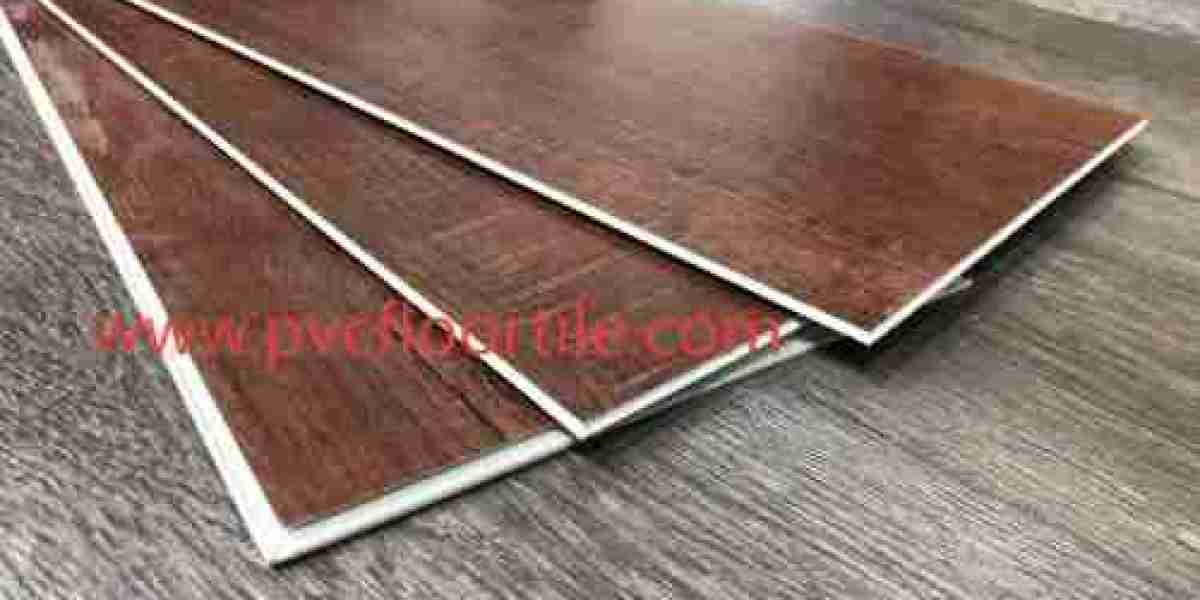
A sample gives buyers an opportunity to evaluate appearance and construction before committing to a larger quantity. Check the color, decorative pattern, surface texture, edge treatment, and finish under different lighting conditions.
For products with a click-lock system, connect several planks and inspect how the joints fit together. Look for consistent alignment and visible differences between pieces. If possible, review samples from more than one carton to assess variation between individual pieces.
Keep an approved sample with its model number, color reference, and specification. This provides a common reference for purchasing teams, suppliers, and quality inspectors.
For customized orders, sample approval should cover the agreed design and relevant construction details. If a change is made after approval, ask for written confirmation and determine whether a revised sample is necessary before production continues.
Check Installation and Maintenance Requirements
Installation conditions can influence the suitability of a product. Before purchasing, ask for the installation guide and confirm the approved installation method, substrate requirements, underlay compatibility, expansion provisions, and transition accessories.
The existing subfloor deserves particular attention. Its flatness, cleanliness, stability, and moisture conditions should be assessed according to the product instructions and the requirements of the project. A product specification alone cannot determine whether a particular site is ready for installation.
Maintenance information is also worth reviewing. Ask which cleaning methods and products are recommended and whether special care is required for the surface finish. For commercial projects, consider how routine cleaning will fit the building's operating schedule.
Buyers should retain the relevant installation and maintenance documents so they can be shared with contractors and end users when needed.
Confirm Customization and Packaging Details
For distributors and private-label businesses, product selection may involve more than choosing a color. Buyers may need customized carton artwork, brand labels, barcodes, product codes, or specific packing quantities.
Discuss the available options, minimum order quantities, artwork requirements, approval stages, and any additional costs before confirming the purchase. Clarify which elements can be customized and how changes will affect the production schedule.
Packaging information should be recorded in writing. Confirm the number of pieces per carton, carton dimensions, pallet arrangements, and shipping marks. For international shipments, ensure that product descriptions and quantities match the purchasing documents and packing list.
These checks help purchasing and warehouse teams coordinate product identification, receiving, storage, and dispatch.
Review Order Management and Delivery Arrangements
Before placing a deposit, confirm the agreed specifications, order quantity, payment terms, production schedule, inspection arrangements, and expected shipment date. Ask who will provide progress updates and how changes will be communicated.
If pre-shipment inspection is required, clarify the inspection scope, timing, acceptance criteria, and responsibilities of each party. Buyers should also establish how shortages, damaged cartons, or specification discrepancies will be reported and handled.
For repeat purchases, maintain a record of approved samples, technical documents, packaging designs, and previous order details. These references can help reduce repeated discussions and support more consistent communication when replenishing stock.
A written purchasing checklist is useful for every order, regardless of size. It gives the buyer and supplier a shared reference and helps ensure that important requirements are addressed before dispatch.
Discuss Your Purchasing Requirements with pvcfloortile
Careful purchasing begins with clear specifications and continues through sample approval, installation planning, packaging confirmation, and shipment coordination. Buyers who document these details can compare product options more effectively and prepare orders around their market and project needs. For importers, distributors, and contractors reviewing available designs and product configurations, pvcfloortile provides a starting point for discussing product requirements and potential orders. Visit https://www.pvcfloortile.com/product/ to review the available range and contact the team about options suited to your business.