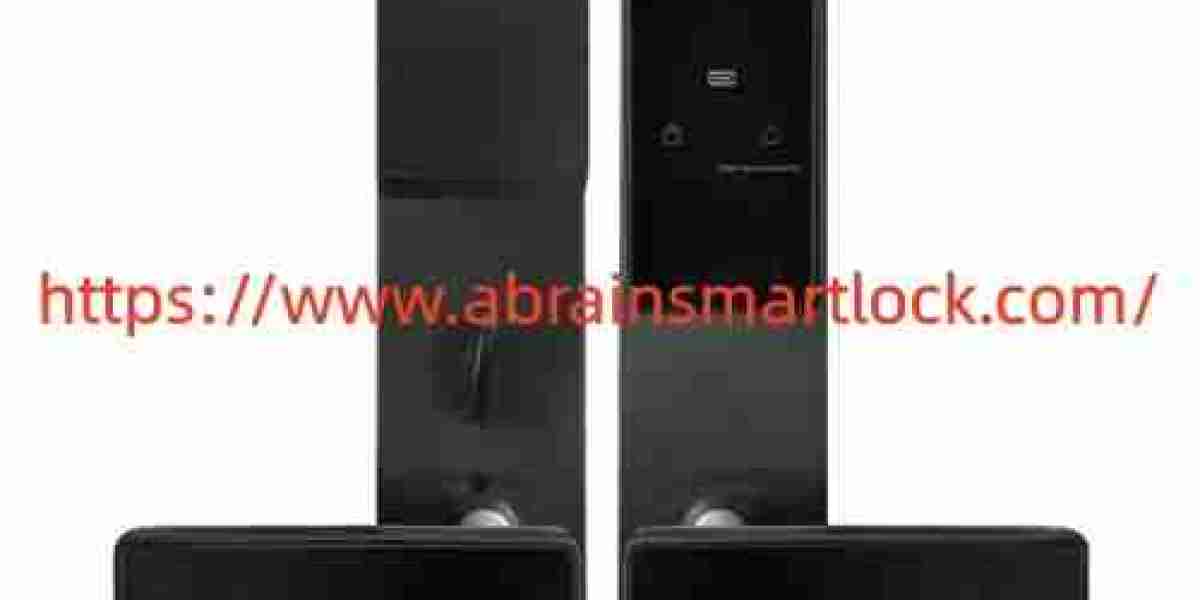

Internet Door Lock options are attracting homeowners who want more flexible ways to manage entry without depending entirely on traditional keys. With connected access technology, users may be able to check lock status, manage authorized users, or control entry through a compatible mobile application, depending on the model. For families, landlords, and property developers, the appeal lies in making everyday access easier to coordinate while considering installation requirements, network reliability, and the needs of everyone using the door.
One reason homeowners are considering connected locking systems is the changing pattern of daily life. Family members may arrive home at different times, guests may need temporary access, and service providers sometimes require entry when the property owner is away. A compatible system can help simplify these situations by allowing users to manage credentials or permissions remotely. Before choosing a product, buyers should confirm which functions are supported and whether they require a specific application, gateway, or internet connection.
Connectivity deserves careful attention because not every electronic lock operates in the same way. Some models connect directly through Wi-Fi, while others use Bluetooth or communicate through a separate hub. These configurations can affect remote operation, setup procedures, power consumption, and integration with other smart home devices. Buyers should review the manufacturer specifications to understand which connection method is required, what equipment may need to be purchased separately, and whether their home network meets the product requirements.
Another factor is access management. Households may need different permissions for family members, visitors, cleaners, or other service providers. Depending on the product, users may be able to create individual accounts, issue temporary access credentials, or review entry records. These capabilities can be useful, but the details vary between models. Buyers should check user limits, administrator controls, notification settings, and the process for removing access when a credential is no longer needed.
Security and privacy are also important considerations when a lock relies on connected services. A sensible purchasing process includes checking how accounts are protected, whether software updates are provided, how access permissions are managed, and what happens if the network becomes unavailable. Strong account passwords and current device software can help support responsible use. Homeowners should also understand the available backup entry method, such as a physical key, local credential, or another manufacturer-supported option, so they can plan for connectivity or power interruptions.
Installation compatibility can influence whether a connected lock is suitable for a particular home. Door thickness, lock body dimensions, latch arrangement, handle configuration, and mounting space all need to match the product design. Some models are intended for new installations, while others may suit certain replacement projects. Before ordering, homeowners should measure the door and review the installation guide. If the existing hardware uses an unusual configuration, confirming compatibility with the supplier can help avoid unnecessary modifications.
Connected access technology is also relevant to rental properties and small accommodation businesses. Owners may need to manage changing occupants, coordinate maintenance visits, and update entry permissions without replacing physical keys each time. For larger hospitality projects, buyers may compare connected residential-style products with Commercial Hotel Door Locks designed around property management requirements. The right choice depends on the operating environment, expected user volume, credential management needs, and whether integration with existing property systems is required.
For manufacturers and distributors, these changing customer expectations create opportunities to offer products for different door types and access preferences. Buyers may ask about application languages, network protocols, battery life, material finishes, available colors, packaging, and private label options. They may also require samples, technical drawings, product testing documents, or customized configurations. Clear communication about supported functions and limitations helps business customers evaluate whether a product fits their market and intended application.
Maintenance should remain part of the decision as well. Battery replacement intervals depend on the design, usage frequency, and connection settings. Homeowners should review low battery alerts, emergency power options, cleaning instructions, and the process for troubleshooting connectivity problems. A product that is easy to configure and maintain may be more practical for a household than one with functions that are rarely needed.
The move toward connected entry reflects a broader interest in managing homes through digital tools, but choosing a suitable product still requires careful comparison. Buyers should weigh convenience against network conditions, privacy practices, door compatibility, and ongoing maintenance. Abrain provides smart locking solutions for customers evaluating different access requirements, whether for residential upgrades or commercial projects. To review available products and discuss the configuration that suits your needs, visit https://www.abrainsmartlock.com/ and compare the specifications with your intended installation.