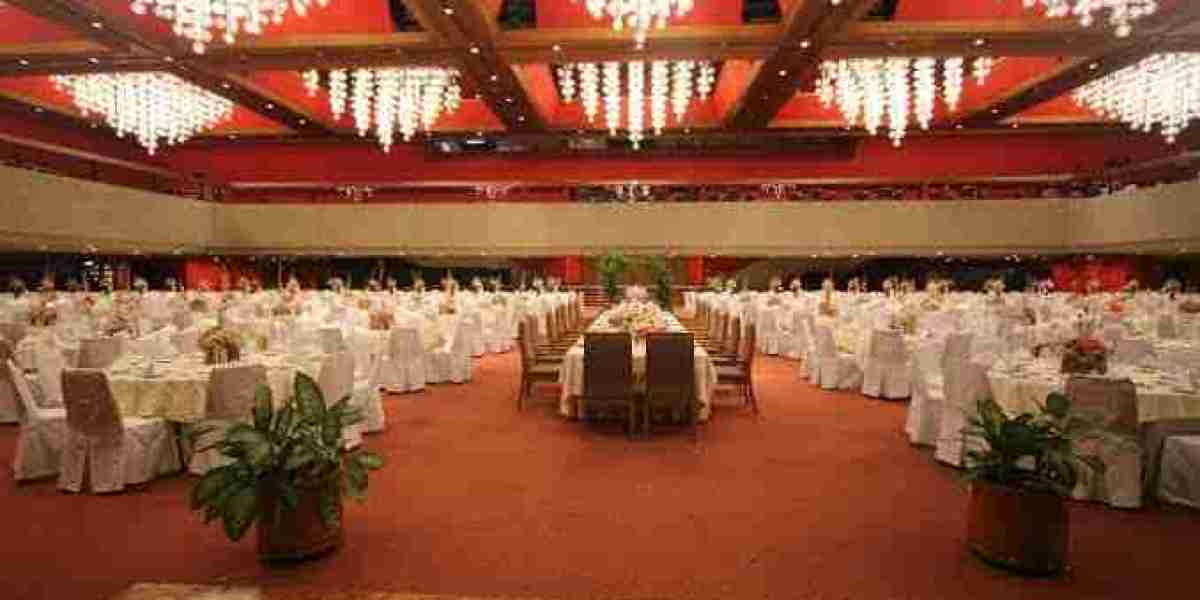

Planning a successful event requires careful preparation, thoughtful organization, and a suitable location. Whether you are arranging a wedding reception, corporate meeting, birthday celebration, anniversary dinner, or family gathering, choosing the right event venue can make a significant difference to the overall experience. A event venue provides comfort for guests, supports the event's purpose, and makes it easier to manage important arrangements.
With so many venue options available, selecting the best location can sometimes feel overwhelming. Understanding your requirements, comparing facilities, and reviewing the booking terms can help you find a place that matches your expectations and budget.
What Is an Event Venue?
An event venue is a location designed or used to host gatherings, celebrations, meetings, and other organized activities. It may be a hotel ballroom, banquet hall, conference center, garden, restaurant, community hall, or private event space.
Different venues offer different facilities. Some provide catering, furniture, decorations, and audiovisual equipment, while others offer an empty space that customers can customize according to their needs.
The best choice depends on the type of event, the number of attendees, the atmosphere you want to create, and the services required throughout the occasion.
Different Types of Event Venues
Wedding and Celebration Venues
Wedding venues often feature decorative interiors, spacious seating arrangements, attractive lighting, and areas for dining or entertainment. Some locations also provide outdoor gardens, bridal preparation rooms, and dedicated spaces for photography.
These venues may also be suitable for engagement parties, anniversaries, and other important family celebrations. Before booking, check whether the location allows your preferred decorations, entertainment, and catering arrangements.
Corporate Event Spaces
Businesses frequently need suitable locations for conferences, training sessions, product launches, networking events, and professional presentations.
A corporate venue should provide comfortable seating, appropriate lighting, reliable internet access, and audiovisual equipment when required. Convenient transportation and nearby accommodation can also be important when attendees are travelling from different cities.
Outdoor Event Locations
Gardens, courtyards, vineyards, and other outdoor spaces can create a relaxed atmosphere for social gatherings and celebrations. Natural scenery may also reduce the need for elaborate decorations.
However, outdoor events require additional planning. Weather conditions, temperature, accessibility, restroom facilities, and backup arrangements should be considered before confirming a booking.
Small and Private Event Venues
Smaller venues can be ideal for intimate dinners, birthday parties, baby showers, workshops, and family reunions. A comfortable space with flexible seating can help guests interact more naturally.
Choosing a venue that matches the expected attendance is important. An oversized room may feel empty, while a crowded space can make guests uncomfortable.
Factors to Consider When Selecting an Event Venue
Location and Accessibility
The location should be convenient for the majority of your guests. Consider travel distances, public transportation, road access, traffic conditions, and parking availability.
If attendees include older adults, families with children, or people with mobility requirements, check whether the building has accessible entrances, suitable restrooms, and convenient movement between areas.
Guest Capacity
Before choosing a venue, estimate how many people are likely to attend. Ask about capacity for different layouts, including seated dining, theatre-style seating, and standing receptions.
A venue may advertise a maximum capacity that does not provide enough room for tables, a stage, a dance floor, or additional equipment. Request a layout that reflects your actual event requirements.
Budget and Additional Costs
The rental price is only one part of the total event budget. Additional expenses may include catering, decorations, cleaning, security, equipment rental, parking, and extended booking hours.
Request a written quotation that lists included services and additional charges. Comparing complete packages helps you evaluate which option offers the best value instead of choosing solely on the advertised price.
Facilities and Services
The facilities available can influence how much additional planning is required. Depending on the event, useful services may include tables, chairs, kitchen facilities, microphones, projectors, Wi-Fi, lighting systems, and on-site staff.
Ask whether the venue provides these services directly or requires you to hire outside suppliers. Confirm setup times and any restrictions before making a final decision.
How to Make Your Event More Memorable
Choose a Suitable Layout
The arrangement of furniture should support the purpose of the event center near me . Round tables may encourage conversation during a dinner, while rows of chairs may be more appropriate for a seminar or presentation.
For celebrations, you might need separate areas for dining, entertainment, photographs, and social interaction. Discuss these requirements with the venue manager before finalizing the layout.
Match the Atmosphere to the Occasion
The appearance of the location should complement your event's theme. Elegant lighting and formal decorations may suit a wedding reception, while a simple and professional setting may be better for a business meeting.
Colors, flowers, table arrangements, and background music can help establish the desired atmosphere. However, decorations should remain practical and should not obstruct entrances, walkways, or emergency exits.
Plan the Schedule Carefully
A clear schedule helps coordinate vendors, staff, and guests. Include time for setup, deliveries, guest arrival, the main program, meals, entertainment, and cleanup.
Share the schedule with everyone responsible for organizing the event. Confirm important arrangements before the event date to reduce confusion and avoid unnecessary delays.
Questions to Ask Before Booking
Before paying a deposit, ask the venue manager about availability, rental duration, guest capacity, and the total cost. You should also understand the cancellation policy, refund conditions, deposit requirements, and rules regarding outside vendors.
Find out whether the venue provides tables, chairs, decorations, catering, and technical equipment. If music or entertainment is planned, ask about sound restrictions and permitted event hours.
Whenever possible, visit the location in person. Photographs can help you compare options, but an actual visit allows you to assess cleanliness, room size, lighting, facilities, and the overall atmosphere.
Read the agreement carefully and request written confirmation of important arrangements. This step can help prevent misunderstandings later.
Common Mistakes to Avoid
One common mistake is booking a venue before confirming the expected number of guests. Another is overlooking additional charges that increase the total cost beyond the original budget.
Some organizers focus entirely on appearance and forget practical details such as parking, accessibility, restrooms, and vendor access. Others leave bookings until the last minute, limiting their choice of available locations.
Avoid these problems by preparing a checklist, comparing multiple options, and confirming every essential detail before making a payment.
Conclusion
Choosing the right event venue is an important part of organizing a successful gathering. The ideal location should accommodate your guests, suit the occasion, provide suitable facilities, and remain within your budget.
By evaluating the location, capacity, services, costs, and booking conditions, you can make a more informed decision. Careful planning and clear communication with the venue manager will help create a comfortable environment where guests can enjoy the event and make lasting memories.
See more blogs: Visit Here