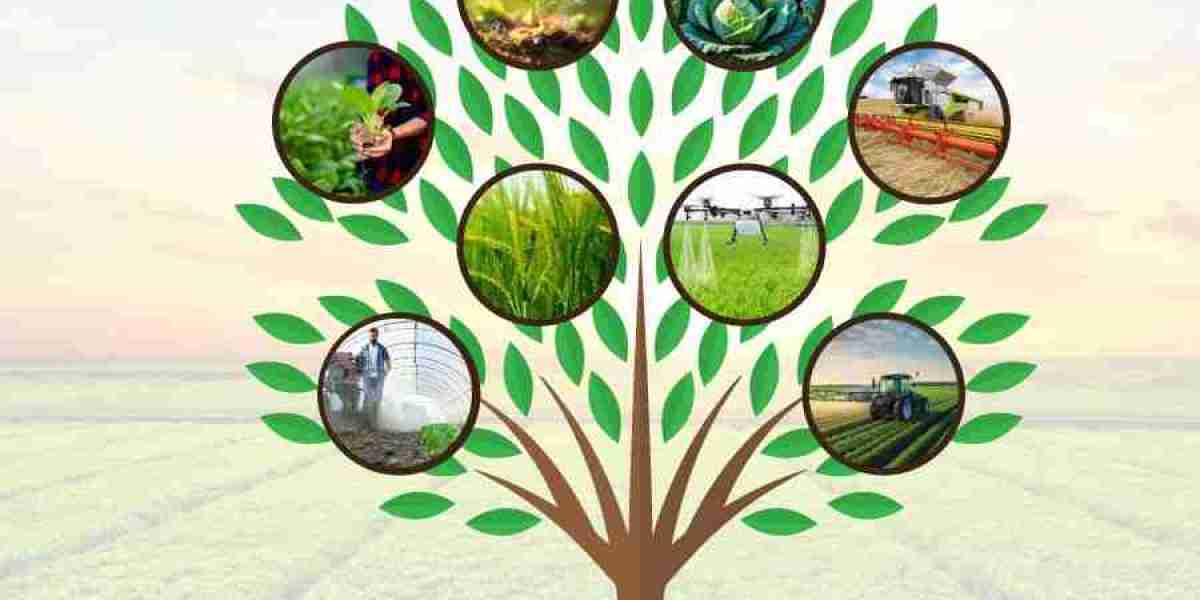

Biopesticides Market is opening new opportunities across the agricultural value chain as producers rethink conventional approaches to crop care. The growing emphasis on sustainable farming is encouraging businesses to explore biological products that can complement existing crop protection programs. Opportunities are emerging not only in product development but also in distribution, technical services, agricultural consulting, and digital farm management. Different farming regions have distinct crop profiles and pest challenges, creating room for specialized solutions. As awareness of biological crop protection expands, companies that understand local agricultural needs and develop practical applications may find new opportunities to strengthen their presence in the evolving crop-care landscape.
The growing interest in eco-conscious crop management solutions reflects a wider movement toward more responsible agricultural practices. Farmers are increasingly evaluating crop inputs based on factors that extend beyond immediate pest control. Soil conditions, surrounding ecosystems, farm sustainability objectives, and long-term production planning can influence purchasing decisions. Biopesticides can provide an additional option for growers seeking to diversify their crop protection programs. As agricultural businesses continue balancing productivity with environmental considerations, demand for solutions that fit within sustainable management frameworks may create new opportunities for biological crop protection providers.
Regional agricultural differences create another important area for growth. Farming systems vary according to climate, crop selection, pest populations, regulatory conditions, and production practices. These differences can influence how biological products are developed, marketed, and applied. Companies that adapt their product strategies to local conditions may have opportunities to reach a broader range of growers. Local partnerships with agricultural distributors, advisers, research organizations, and farming communities can help manufacturers understand regional requirements. This approach can improve product communication and application guidance while building stronger relationships with end users. Regional customization may therefore become an important strategy for expanding biological crop protection.
Small and medium-sized farms can also represent an important opportunity for industry participants. Many smaller growers require practical, accessible, and easy-to-use agricultural solutions. Manufacturers and distributors can support this segment by offering clear instructions, technical assistance, training programs, and suitable distribution channels. Digital platforms can further help smaller producers access product information and agricultural guidance without depending entirely on traditional channels. Building awareness among smaller farming communities can broaden the customer base for biological products. Companies that make adoption straightforward and provide strong user support may be better positioned to encourage consistent use across diverse farm sizes.
Organic and environmentally focused farming systems represent another area where biological crop protection can attract attention. Producers operating under specific production principles may seek crop management inputs that align with their agricultural objectives and applicable requirements. Biopesticides can become part of crop protection strategies where appropriate, subject to relevant approvals and usage guidelines. This creates opportunities for manufacturers to develop clear positioning and technical information around suitable applications. However, successful adoption requires more than environmental messaging. Growers also expect practical performance, convenience, availability, and reliable support. Companies that combine sustainability-oriented positioning with strong product usability can build greater credibility among agricultural customers.
Retail and distribution innovation can further reshape access to biological crop protection. Agricultural suppliers are increasingly using digital channels to communicate with growers and facilitate product discovery. Online ordering, digital product catalogs, advisory content, and remote technical support can simplify the purchasing process. Traditional agricultural distributors can complement these tools through local knowledge and direct relationships with farmers. Combining physical distribution with digital engagement may help companies reach more customers while improving access to product information. As purchasing behavior evolves, businesses that create convenient and informative customer experiences can strengthen the visibility of biopesticides across agricultural markets.
Strategic collaboration can unlock additional opportunities across the industry. Manufacturers can work with agricultural universities, research organizations, distributors, farm associations, technology providers, and growers to accelerate innovation. Collaborative field studies can provide practical insights into application requirements and crop-specific performance. Technology partnerships can connect biological crop protection with precision agriculture, farm-management software, and digital advisory systems. Distribution partnerships can improve product availability in underserved regions. These relationships can create an ecosystem where scientific knowledge, agricultural experience, and commercial capabilities work together. Such collaboration can help the industry respond more effectively to changing farming requirements and accelerate the adoption of biological crop protection.
The future of the Biopesticides Market will be shaped by how effectively companies transform these opportunities into practical agricultural solutions. Sustainable farming priorities, regional customization, digital distribution, farmer education, and product innovation can create pathways for continued development. At the same time, manufacturers must maintain strong attention to quality, regulatory requirements, application guidance, and customer needs. The most successful approaches are likely to combine environmental responsibility with dependable agricultural performance. As farmers continue exploring diverse crop protection strategies, biopesticides can become increasingly integrated into modern crop care systems and contribute to the broader evolution of sustainable agriculture.
FAQs
Q1. What opportunities exist in the biopesticides sector?
Product innovation, distribution, technical services, and sustainable farming solutions offer opportunities.
Q2. Can small farms use biopesticides?
Yes. Suitable products can be integrated into crop protection programs on farms of different sizes.
Q3. Why is regional adaptation important?
Crop types, pest pressures, climates, and farming practices vary across regions.