
Hosiery Market is becoming increasingly innovative as manufacturers respond to changing expectations for everyday apparel. Modern consumers want clothing that looks attractive while also providing comfort, flexibility, durability, and practical functionality. Hosiery products can meet these needs across a wide range of applications, from everyday socks and stockings to performance leggings and fashion-focused tights. Advances in textile technology are helping companies experiment with materials, construction techniques, and product designs that improve the overall wearing experience. At the same time, fashion trends are encouraging consumers to treat hosiery as part of personal styling rather than merely an accessory. This combination of technology and fashion is creating a dynamic environment for product innovation across the hosiery sector.
Current Hosiery Market trends demonstrate how closely the category is connected with broader changes in fashion, lifestyle, retail, and textile development. Consumers increasingly want products that can perform across multiple occasions rather than being limited to one specific use. This has encouraged brands to explore versatile designs that can move from professional settings to casual environments or active routines. Product differentiation can also come from material softness, stretch, breathability, support, moisture management, and specialized construction. As consumers become more knowledgeable about textile characteristics, brands have additional opportunities to communicate the technical and lifestyle benefits of their products.
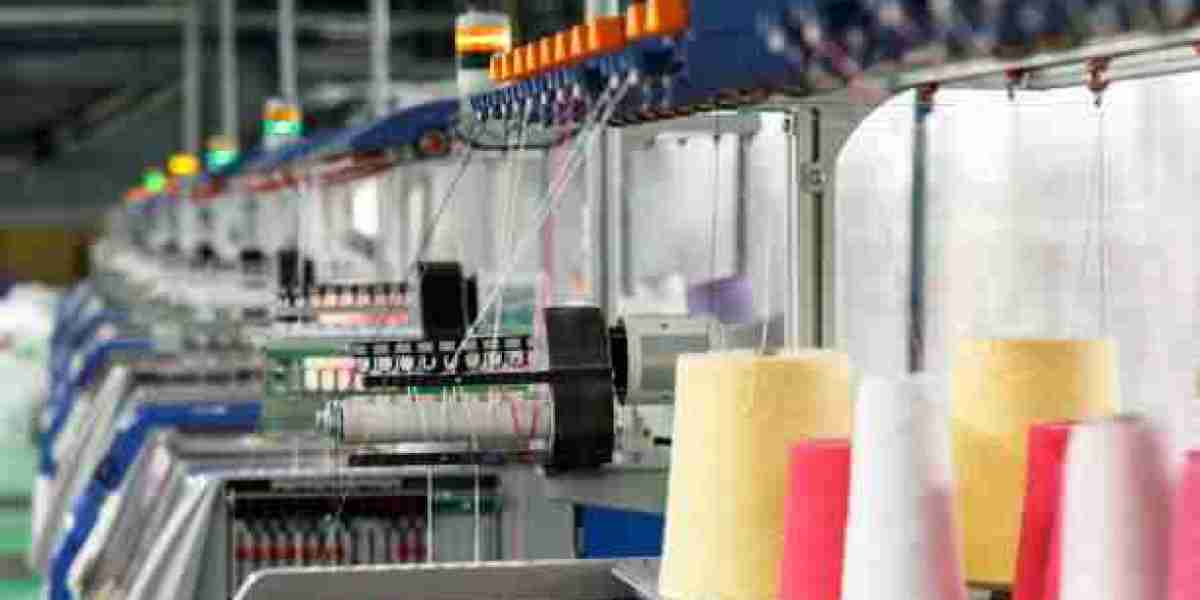
Textile innovation is playing a central role in improving hosiery performance. Manufacturers can experiment with different fibers, blends, knitting structures, and finishing processes to create products with specific characteristics. Stretch-oriented materials can improve movement and fit, while breathable constructions may enhance comfort during extended wear. Moisture management can be particularly relevant for active consumers, while lightweight designs can appeal to people seeking greater comfort in warm conditions. These developments demonstrate that hosiery is increasingly connected with textile engineering. Companies that invest in research and development can create differentiated products that address specific consumer needs rather than competing only on appearance or price.
The development of seamless and ergonomic construction is another area receiving attention. Traditional seams can sometimes create discomfort or visible lines under clothing, leading consumers to seek smoother alternatives. Seamless products can provide a more streamlined appearance while potentially improving comfort. Ergonomic construction can also help products fit the contours of the body more naturally. These features are particularly relevant to consumers who prioritize comfort and appearance simultaneously. As apparel becomes increasingly focused on body movement and individualized fit, hosiery companies have opportunities to develop products that respond more precisely to consumer expectations. Product engineering can therefore become an important source of differentiation in a competitive category.
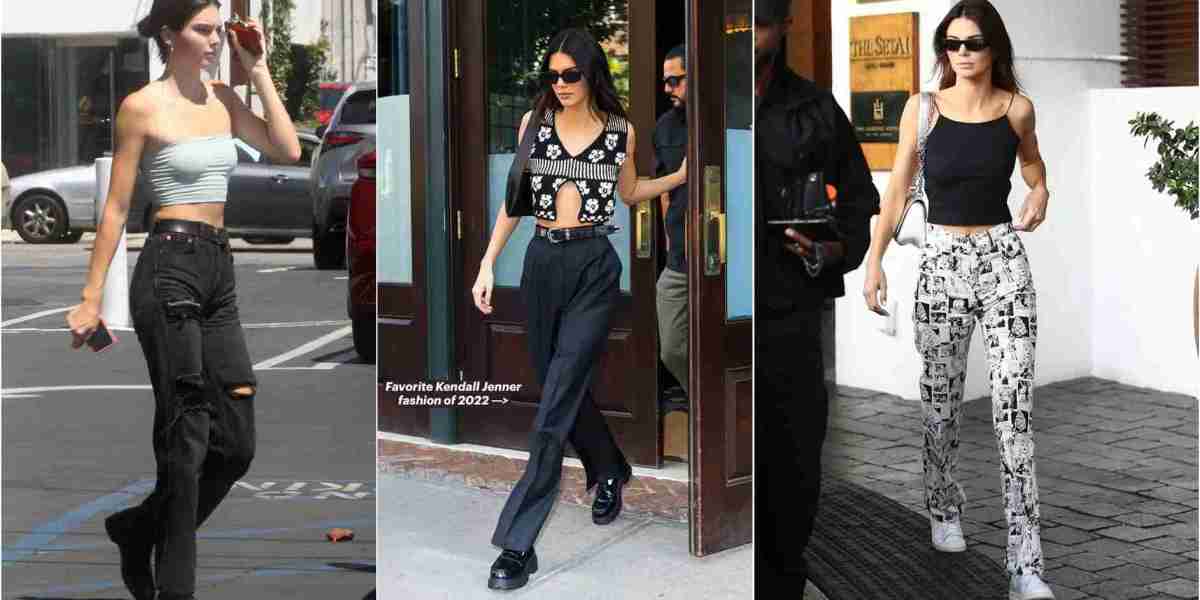
Fashion remains equally important because hosiery can contribute significantly to an outfit's overall appearance. Designers and brands are exploring colors, prints, textures, transparency levels, lengths, and decorative details to create products suited to different styles. Social media and digital fashion content are accelerating the spread of styling ideas, allowing consumers to discover new ways to wear hosiery. This can encourage experimentation and increase interest in trend-oriented products. Brands can capitalize on this through seasonal collections, collaborations, limited editions, and visually distinctive campaigns. However, classic products continue to provide an important foundation, making it essential for companies to balance fashion innovation with reliable everyday essentials.
Digital retail is creating new opportunities for hosiery brands to explain technical features and styling possibilities. Online product pages can provide detailed information about fabric composition, construction, fit, care requirements, and recommended uses. Video demonstrations and user-generated content can further improve product understanding. Social media can help brands connect technical features with real-world experiences by showing how products perform during work, travel, exercise, or everyday activities. This educational approach can be especially valuable for specialized hosiery products that consumers may not fully understand from packaging alone. Digital engagement can therefore support both product discovery and consumer confidence.
Responsible production is increasingly becoming part of product innovation. Consumers are interested not only in how hosiery looks and feels but also in how it is manufactured. Companies can explore ways to reduce waste, improve production efficiency, extend garment durability, and adopt more responsible materials. Longer-lasting hosiery can provide practical benefits for consumers while potentially reducing frequent replacement. Packaging can also be redesigned to minimize unnecessary materials. Transparency around these efforts can strengthen brand credibility and provide another dimension of differentiation. As responsible fashion becomes more prominent, sustainability is likely to influence both product development and the broader strategic direction of hosiery companies.
The future of the Hosiery Market will depend heavily on continued innovation that combines textile performance with fashion relevance. Consumers are unlikely to choose between comfort and style when they increasingly expect both from everyday clothing. Brands therefore have opportunities to develop products that are technically advanced while remaining visually appealing and easy to incorporate into daily wardrobes. Digital retail, active lifestyles, fashion experimentation, and responsible production will continue influencing product development. Companies that can translate these trends into practical consumer benefits may be able to strengthen loyalty and differentiate their collections. Hosiery is consequently becoming a more technologically informed and lifestyle-oriented part of the apparel industry.
FAQs
1. How is textile technology changing hosiery?
Textile innovation can improve stretch, softness, breathability, moisture management, durability, and overall fit, enabling manufacturers to create products for specific consumer needs.
2. Why are seamless hosiery products becoming important?
Seamless construction can provide a smoother feel and appearance while addressing consumer preferences for comfort and streamlined clothing.
3. Can hosiery be both fashionable and functional?
Yes. Modern products can combine technical textile features with colors, patterns, textures, and designs that support fashion and personal styling.