
For organizations working beyond conventional transportation networks, an Amphibious Vehicle can provide a specialized platform for moving personnel, equipment, and supplies across changing environments. Its value depends not only on mobility but also on the relationship between materials, mechanical systems, operator controls, maintenance arrangements, and exterior design. LIN HAI HAISDER MACHINERY CO.,LTD. develops special vehicles for applications such as emergency rescue, disaster response, agriculture, tourism, and utility operations.
Material coordination is an important starting point when evaluating a specialized vehicle. The body structure, chassis components, protective elements, seals, interior surfaces, and mechanical parts each perform different roles. Exterior materials need to withstand regular exposure to moisture, dust, mud, and outdoor handling, while structural components need to provide a stable foundation for the rest of the vehicle. Considering these materials as a connected system can provide a clearer understanding of overall construction quality.
The relationship between material choice and maintenance should also be considered. Surfaces that are easy to clean can be useful when vehicles frequently operate in wet or muddy environments. Protective treatments can support the appearance of exposed areas, while accessible mechanical sections can make inspection more convenient. Buyers can therefore ask not only what materials are used, but also how those materials influence cleaning, servicing, and long-term handling.
A practical purchasing process should begin with the organization's operating pattern. Buyers can identify who will use the vehicle, what equipment needs to be carried, how frequently it will be cleaned, and what type of support is available for maintenance. Rescue teams, agricultural operators, tourism businesses, and utility companies may have very different priorities even when they require similar mobility capabilities.
Fleet integration is another useful consideration. A specialized vehicle may need to work alongside trailers, transport equipment, communication systems, emergency tools, or existing service vehicles. Buyers can review how the vehicle will fit into current operating procedures rather than treating the purchase as an isolated equipment decision. This approach can also make training, storage, and maintenance planning easier.
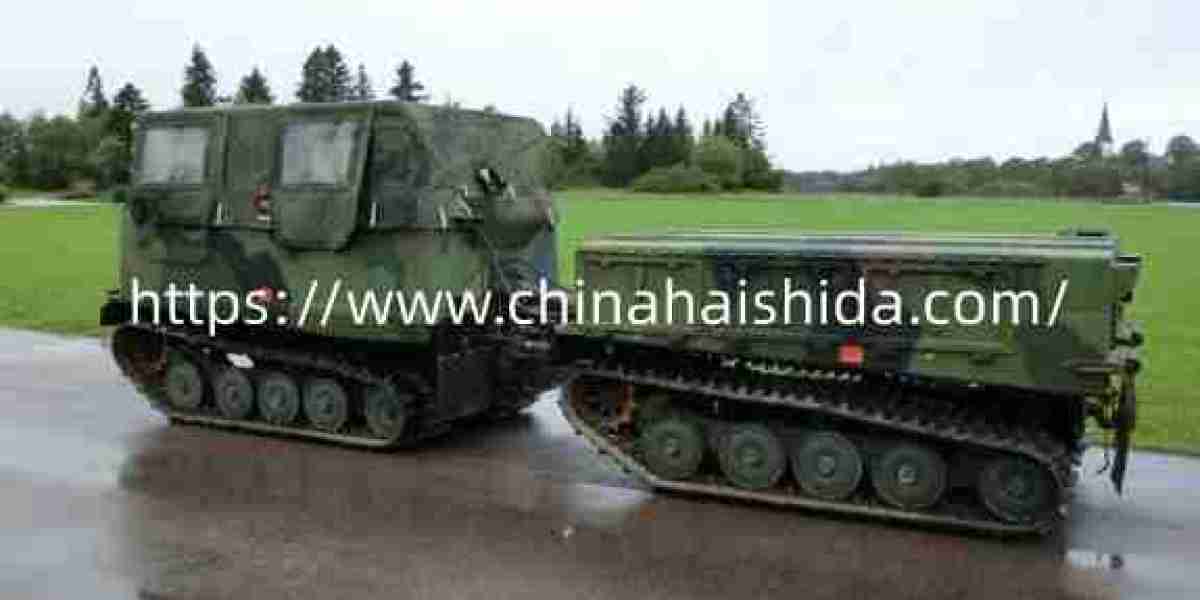
From a technology perspective, performance depends on cooperation between several systems. Power delivery, steering, traction, transmission, sealing, and water-related propulsion need to be organized around a common vehicle structure. Haishida's product range includes wheeled amphibious platforms as well as tracked utility vehicles, with its products positioned for rescue, disaster response, agriculture, tourism, and other specialized uses.
Control layout is another technical factor that directly affects operation. Frequently used controls should be easy to understand and reach, while the driver's position should provide a useful relationship between visibility and vehicle operation. When a vehicle is used by different operators, straightforward control logic can reduce unnecessary complexity and make daily operation more consistent.
Technology should also support equipment integration. A vehicle used for emergency response may need communication equipment or rescue tools, while an agricultural application may require working equipment or additional storage. Haishida describes customized and modular production services, allowing specialized vehicle configurations to be considered according to different application requirements.
User experience extends beyond the driver's seat. Entry and exit, seating arrangement, storage access, handholds, visibility, and cleaning convenience can all influence how easily personnel interact with the vehicle. When a machine is used repeatedly during field work, small ergonomic details can affect preparation time and operator fatigue.
Maintenance access should therefore be considered during selection rather than after purchase. Buyers can examine whether important components can be inspected without unnecessarily disturbing surrounding systems. Drainage areas, electrical connections, mechanical components, and exposed surfaces should have a practical relationship with routine cleaning and servicing. A vehicle designed around realistic maintenance activities can be easier to manage throughout its working life.
Design and appearance can reinforce this practical organization. A well-planned exterior can visually separate the passenger area, mechanical sections, storage spaces, and task-related equipment. Clean body lines, organized access panels, protected openings, and coordinated surface treatment can make the vehicle appear easier to understand and maintain. In commercial or tourism applications, these details can also influence how passengers and customers perceive the vehicle.
Visual identity becomes particularly relevant when vehicles are customized for a specific organization. Color treatment, equipment arrangement, seating, external structures, and branded elements can be coordinated with the intended role. Discussing these design decisions during the development process allows appearance to remain connected with structural and functional requirements.
For international buyers, communication with the manufacturer is an important part of the sourcing experience. Clear discussions about application, material preferences, equipment integration, maintenance expectations, customization, inspection, and delivery can help align the final vehicle with actual working conditions. LIN HAI HAISDER MACHINERY CO.,LTD. combines special-vehicle manufacturing with customized and modular development, supporting different requirements across its vehicle categories.
For more information about LIN HAI HAISDER MACHINERY CO.,LTD., its special vehicles, amphibious transport solutions, and customized vehicle development, visit https://www.chinahaishida.com