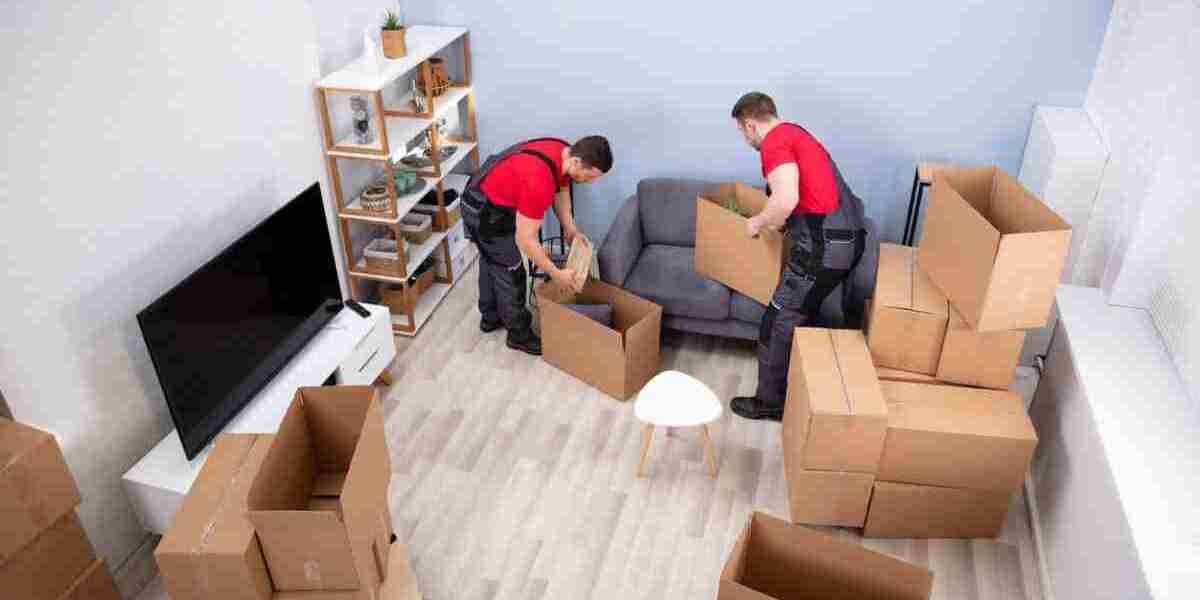

Moving to a new home involves more than transporting boxes from one address to another. Furniture, appliances, clothing, kitchen items, electronics, documents, and personal belongings all need to be sorted and handled in a sensible order. Residential Moving works best when the relocation is planned around the needs of the household. Start by choosing a moving date, reviewing the amount of property that needs to be transported, and creating a simple schedule for packing and preparation. Giving yourself enough time can reduce last-minute pressure and make it easier to deal with unexpected tasks before moving day arrives.
Decide What Should Go to the New Home
Relocating provides a useful opportunity to review everything stored in the current property. Clothes that are no longer worn, unused furniture, old appliances, duplicate kitchen items, books, decorations, and other possessions may not need to make the trip. Residential Moving becomes less demanding when unnecessary belongings are removed beforehand. Items that are still useful but no longer needed can be donated, sold, recycled, or given away. Reducing the amount being transported can create more space in the moving vehicle and also make unpacking at the new home much easier.
Organize Packing by Room
Mixing belongings from several rooms can make a move difficult to manage once the boxes arrive. A room-by-room packing approach keeps similar items together and makes it easier to know where everything belongs. With Residential Moving in Fort Worth TX, each box should ideally be labeled with its destination room and a brief description of its contents. Fragile kitchenware, electronics, mirrors, and decorations require suitable wrapping and cushioning. Heavier belongings should be placed in sturdy containers that can be carried safely. Organized packing creates a clearer connection between the preparation stage and the eventual unloading process.
Prepare Furniture for Transportation
Large furniture requires careful planning because its size can create challenges at doors, stairways, hallways, and elevators. Beds, tables, wardrobes, desks, cabinets, and shelving may need partial disassembly before they can be moved safely. During Residential Moving, small screws, brackets, and other hardware should be placed in labeled bags and kept with the corresponding furniture. Protective coverings can also be used on vulnerable surfaces and corners. Measuring large pieces and checking access points before moving day can prevent delays and help determine how bulky items should be handled.
Give Fragile Belongings Extra Protection
Some household possessions require more care than ordinary boxes. Glassware, televisions, mirrors, artwork, dishes, computers, and decorative items can be damaged if they are allowed to shift during transportation. Residential Moving should include suitable protection for these belongings, with cushioning placed around items and empty spaces reduced inside their containers. Fragile boxes should be clearly marked so they can receive appropriate handling. Avoid placing heavy objects on top of delicate possessions. Taking extra time with vulnerable items can reduce avoidable damage and make the transportation stage less stressful.
Keep Important Items Within Easy Reach
Not every possession should go into the main moving load. Identification documents, keys, chargers, toiletries, medication, basic clothing, important paperwork, and personal electronics may be needed soon after arriving. For Residential Moving, it is useful to prepare a separate essentials bag that stays accessible during transportation. This collection can also include snacks, basic cleaning supplies, phone chargers, and anything needed for the first evening. Keeping these belongings separate prevents the need to search through numerous boxes immediately after reaching the new property and allows basic routines to continue more comfortably.
Prepare the Property Before Loading
The current home should be ready for the physical work involved in removing belongings. Clear pathways, unlock necessary doors, remove small obstacles, and make sure large furniture has enough room to be carried out. Residential Moving can take longer when hallways, entrances, or stairways are blocked by unnecessary items. Protecting floors or vulnerable surfaces may also be appropriate depending on the property and the type of furniture being moved. A clear route gives larger belongings a more practical path toward the vehicle and can reduce unnecessary handling during loading.
Make the Destination Ready
Preparing the new home before belongings arrive can make the unloading stage much easier. Decide where beds, major furniture, appliances, and other large items should go before transportation begins. During Residential Moving, measuring doorways and available room space can help prevent problems with oversized furniture. Clean important areas and make sure entrances and hallways are accessible. If possible, have the bedroom, bathroom, and kitchen ready first so essential parts of the household can become functional quickly. A prepared destination gives the unloading process a clearer direction.
Load and Unload With a Logical Order
The arrangement of belongings inside a moving vehicle can affect both transportation and unloading. Heavy furniture should be secured carefully, while fragile boxes need suitable placement away from potential pressure or impact. Moving in Fort Worth TX is easier to coordinate when boxes are grouped and labels remain visible throughout the loading process. Items needed immediately at the destination can be positioned where they are easier to reach. Once the vehicle arrives, unloading room by room can reduce unnecessary carrying and make it easier to place belongings where they belong.
Settle Into the New Home Gradually
The final stage of a relocation does not have to happen all at once. After Residential Moving is complete, focus first on making the most important rooms usable. Assemble essential furniture, arrange basic kitchen items, organize toiletries, and unpack the belongings needed for daily routines. The remaining boxes can be handled gradually according to priority. Keeping packaging materials together while unpacking can also make cleanup easier. With careful sorting, suitable packing, thoughtful furniture preparation, and a sensible setup plan, moving into a new home can become a more manageable transition for the entire household.