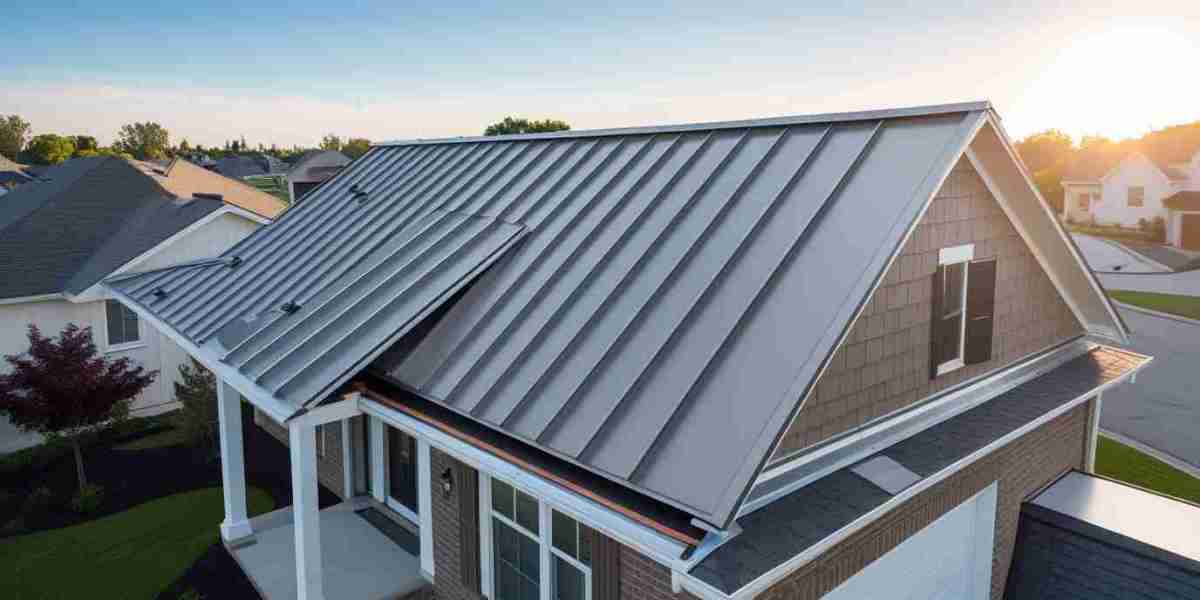

A new roof needs to protect the building while fitting its structure, drainage system, and exterior design. Metal Roof Installation requires more than placing panels over an existing surface. The roof deck, framing, underlayment, flashing, ventilation, fasteners, and drainage components all need to work together. Before the project begins, the condition of the existing roof should be reviewed and any damaged structural materials should be addressed. Measurements, roof slope, penetrations, and panel requirements should also be considered. Careful preparation creates a better foundation for the installation and can reduce complications during later stages of the project.
Select Suitable Metal Roofing Materials
Metal roofing is available in materials such as steel, aluminum, and specialty metals, with different finishes and profiles available for various properties. During Metal Roof Installation, the selected material should match the building's location, expected weather exposure, roof design, and maintenance preferences. Steel can provide a strong roofing surface, while aluminum may be considered where corrosion resistance is an important concern. Coatings and finishes can also affect the appearance and long-term performance of the roof. Comparing material characteristics before ordering panels can help property owners select an option suited to the project's practical requirements.
Prepare the Existing Roof Surface
The condition of the surface beneath a new metal roof can affect the finished system. Before Metal Roof Installation in Santa Cruz begins, the roof deck should be examined for rot, moisture damage, weak areas, or other conditions that could interfere with installation. Depending on the roofing system, existing materials may need to be removed or prepared before new components are installed. Underlayment and other protective layers should be selected according to the roofing design and building requirements. Completing necessary repairs before panels are installed can prevent hidden problems from becoming more difficult to correct later.
Account for Roof Slope and Water Flow
Water needs a clear path away from the roof and building. Roof pitch, valleys, gutters, downspouts, and flashing all influence drainage. Metal Roof Installation should be planned around these features so rainwater can move efficiently without collecting in vulnerable areas. Roof penetrations around chimneys, vents, skylights, and other structures also require careful detailing. Poorly planned drainage can contribute to leaks and moisture damage even when the roofing panels themselves remain in good condition. Considering water movement during the design stage can support better performance during heavy rainfall.
Install Proper Underlayment and Flashing
Metal panels are only one part of a complete roofing system. Underlayment provides an additional layer of protection, while flashing helps direct water around edges, valleys, penetrations, and transitions. During Metal Roof Installation, these components need to be placed according to the requirements of the selected roofing system. Damaged or poorly fitted flashing can create vulnerable points where water may enter beneath the panels. Proper attention to these less visible components can be just as important as the appearance of the finished roof because they help manage moisture around complicated areas.
Secure Panels With Appropriate Fasteners
Fasteners hold roofing panels in place and need to be selected and installed according to the type of metal roofing being used. During Metal Roof Installation, screws, clips, or other fastening systems should accommodate the panel design and expected movement. Metal expands and contracts as temperatures change, so fastening methods must allow the roofing system to respond appropriately. Incorrect spacing, over-tightened fasteners, or unsuitable hardware can create installation problems. Careful alignment and fastening can help keep panels secure while supporting the intended performance of the roof.
Consider Ventilation and Insulation
A roofing project can affect how heat and moisture move through the building. Proper ventilation can help manage condensation, while insulation can influence indoor comfort and energy use. Metal Roof Installation should therefore be considered as part of the building's overall roof assembly rather than as a simple exterior covering. Attic ventilation, insulation levels, air movement, and the placement of protective layers should be reviewed before installation. Addressing these details during construction can help reduce moisture-related concerns and create a roofing system that performs more consistently throughout seasonal temperature changes.
Protect Roof Edges and Building Details
Roof edges, eaves, ridges, valleys, and penetrations require careful attention because they can be more vulnerable to wind and water. During Metal Roof Installation, these areas should be finished with suitable components that match the selected roofing system. Edges need secure detailing, while valleys and transitions must provide a clear route for water. Vents, pipes, skylights, and other penetrations should also be properly sealed and flashed. Careful work around these locations can reduce the possibility of leaks and help the finished roof maintain a clean, complete appearance.
Inspect the Finished Roofing System
Once installation is complete, the roof should be reviewed for visible issues before the project is considered finished. Metal Roof Installation should result in properly aligned panels, secure connections, suitable flashing, clear drainage paths, and finished edges. The surrounding gutters and downspouts should also be checked to make sure they can handle water from the new roof. Any visible gaps, damaged coatings, loose components, or installation concerns should be addressed promptly. A final review provides an opportunity to identify small problems before weather exposure makes them more difficult to correct.
Maintain the Roof for Long-Term Performance
A newly installed metal roof still requires routine care to preserve its condition. Gutters should be kept clear, branches should be trimmed away from the roof, and visible panels, fasteners, flashing, and sealants should be checked periodically. Metal Roof Installation provides the foundation for long-term roof performance, while ongoing maintenance helps protect that investment. After severe weather, property owners should also look for dents, displaced components, or other visible damage. Addressing small concerns early can help prevent moisture intrusion and keep the roofing system functioning as intended for many years.