
UK Dairy Market continues to demonstrate considerable product diversity, with milk, cheese, yogurt, butter, ice cream, and other dairy categories serving different consumption occasions. While milk remains a fundamental part of the sector, product innovation is creating new opportunities across categories, particularly as consumers seek convenience, distinctive flavors, nutritional benefits, and premium experiences. Cheese is attracting increasing attention, supported by innovative launches and growing demand for products such as cheese dips and spreads. Yogurt is also developing through probiotic-rich and lower-calorie varieties. These developments indicate that traditional dairy categories are not static; instead, manufacturers are adapting familiar products to changing tastes and lifestyle requirements.
The rising interest in innovative cheese and dairy products is helping manufacturers respond to consumers who want variety and convenience without abandoning familiar dairy experiences. Cheese is identified as a fast-growing product category, with innovation supporting demand for new formats and applications. Dips, spreads, specialty varieties, and convenient snack formats can attract consumers looking for flexible food options. Younger shoppers are also contributing to changing preferences within the category, creating opportunities for brands to experiment with flavors, formats, and positioning. Product innovation can therefore help cheese manufacturers reach new audiences while maintaining connections with established dairy consumption habits.
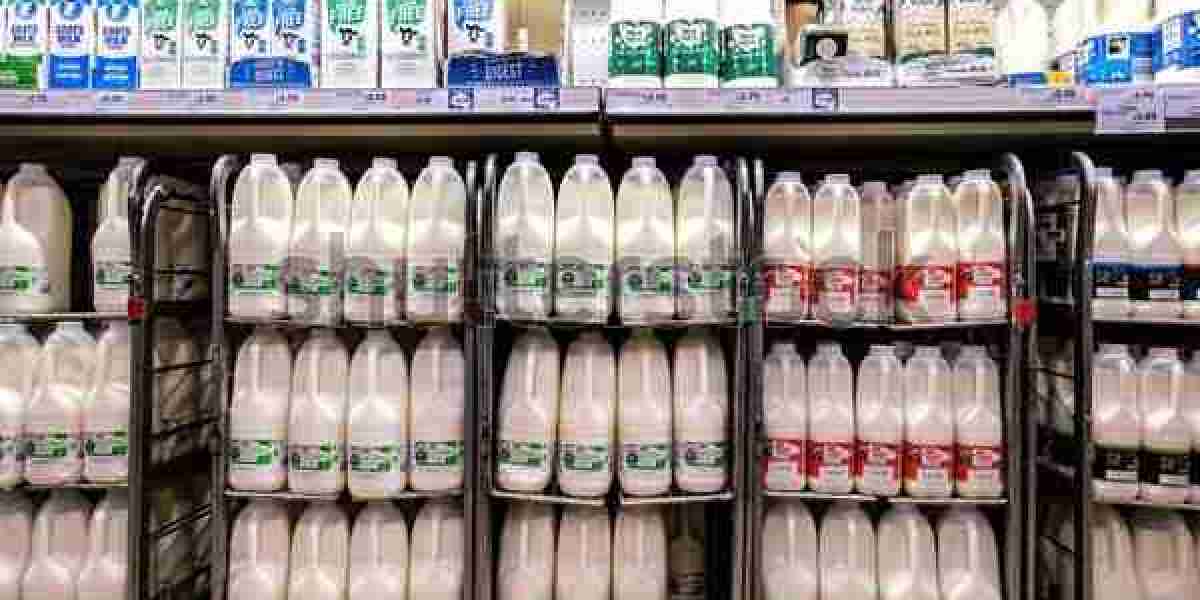
Milk remains an important foundation of the sector because of its broad consumer acceptance and versatility. It is used as a beverage, cooking ingredient, and input for other dairy products, giving it relevance across households and food applications. However, the category is also evolving as consumers increasingly seek low-fat, organic, fortified, and nutritionally enhanced options. This creates opportunities for producers to differentiate milk products through formulation, packaging, sourcing, and positioning. The continued importance of milk demonstrates the strength of established dairy habits, while the emergence of new product attributes shows how manufacturers can modernize a familiar category without fundamentally changing its role in everyday consumption.
Yogurt provides another example of how health and convenience are driving product development. Consumers are increasingly interested in products associated with probiotics, lower calories, and nutritional benefits, making yogurt well suited to current wellness trends. Convenient yogurt cups can also serve busy consumers looking for ready-to-eat options. Flavor innovation provides an additional avenue for differentiation, helping brands appeal to younger shoppers and consumers seeking variety. As yogurt develops across nutritional, flavor, and packaging dimensions, it demonstrates how traditional dairy categories can respond effectively to changing consumer expectations while maintaining their established role in everyday diets.
The sector is also becoming more diverse in terms of milk sources. Cow milk remains the dominant source because of its established production infrastructure, widespread consumption, and versatility. However, goat milk is emerging as a notable alternative, supported by consumer interest in different nutritional characteristics and digestibility. Sheep, buffalo, and camel sources contribute additional diversity. This broadening of source options allows manufacturers to serve niche consumer preferences and create differentiated products. Alternative dairy sources can be particularly relevant for premium and specialty categories where consumers are willing to explore products with distinctive characteristics, provenance, or perceived nutritional advantages.
Distribution is playing an important role in supporting this product diversification. Supermarkets remain a dominant retail environment because they provide broad product selection and convenience, but online stores are gaining traction as consumers become more comfortable purchasing groceries digitally. E-commerce can be particularly useful for specialty dairy products because online platforms can provide access to a wider variety of items than some conventional stores. Convenience stores and specialty retailers also contribute to market accessibility, while direct sales can strengthen relationships between producers and consumers. This multi-channel structure gives brands multiple opportunities to introduce innovative products and reach different consumer groups.
The future outlook for the UK Dairy Market points toward continued innovation across traditional and emerging product categories. Milk will remain an important staple, while cheese can benefit from new formats, specialty offerings, and changing consumer tastes. Yogurt is positioned to benefit from health-oriented preferences, while premium and organic dairy products can address consumers seeking quality and responsible sourcing. Plant-based alternatives will continue influencing competitive dynamics, encouraging traditional dairy companies to diversify. As product development, technology, sustainability, and digital retail continue to intersect, the UK's dairy sector is likely to offer an increasingly varied selection of products designed around changing nutritional, lifestyle, and consumption preferences.
FAQs
1. Which dairy product is currently dominant in the UK market?
Milk remains the dominant product category, supported by established consumption patterns, versatility, and its nutritional profile.
2. Why is cheese gaining attention?
Cheese is benefiting from innovative launches, changing tastes, and demand for products such as dips, spreads, and convenient formats.
3. Is goat milk becoming more popular?
Yes. Goat milk is an emerging source category, supported by interest in alternative dairy sources and perceived digestibility benefits.