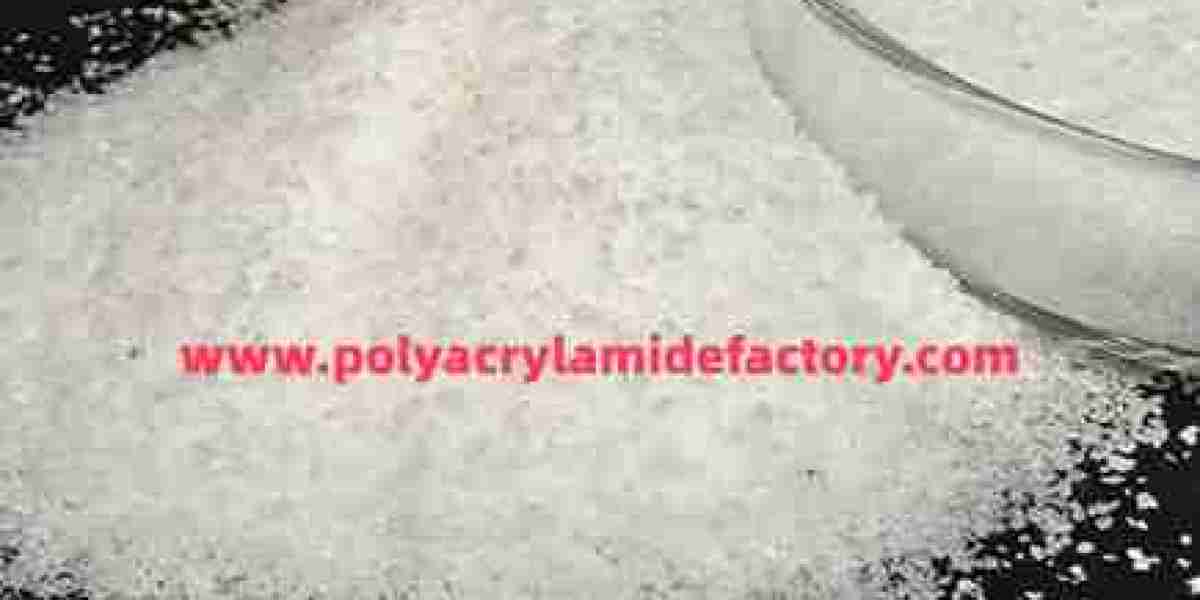

In modern production facilities, Papermaking Polyacryalmide serves as a crucial component for optimizing fiber bonding and enhancing sheet formation. Its ability to interact efficiently with pulp suspensions allows operators to achieve smoother drainage, improved retention, and a more consistent final product. Selecting high-quality polymer ensures that paper formation remains uniform across different batches, supporting both quality and operational stability.
Operators working with paper systems often face challenges related to pulp consistency and water retention. Slight variations in suspension behavior can influence sheet formation, making material choice critical. By integrating a reliable polymer, technicians can maintain better control over fiber networks, reduce production inefficiencies, and improve process predictability.
High-grade polymers provide benefits beyond simple fiber retention. They enhance drainage speed, reduce the load on water removal systems, and maintain even sheet weight distribution. These improvements allow mills to optimize energy usage, limit downtime, and achieve better product quality without frequent manual adjustments. Teams notice a reduction in operational stress as processes become more predictable and manageable.
Hengfeng has earned recognition for producing polymers tailored for these tasks. Their formulations emphasize consistency and adaptability, ensuring stable performance even under fluctuating pulp conditions. Paper manufacturers often report improved sheet smoothness and strength, allowing them to meet stricter quality standards while maintaining high production efficiency.
Imagine a production line where pulp is carefully suspended in water. Without intervention, fibers may disperse unevenly, causing gaps, weak spots, or inconsistent drainage. Introducing the polymer encourages fibers to form a cohesive network, improving sheet formation and enhancing mechanical properties. Operators quickly notice the difference as the flow of water becomes more uniform, and fiber distribution appears more stable across the forming section.
Beyond technical benefits, polymer integration simplifies workflow management. Operators spend less time compensating for irregular retention or drainage problems and can focus on optimizing other stages of production. Consistent polymer behavior allows for easier monitoring, quicker adjustments, and reduced interruptions, making daily operations more predictable and stress-free.
Additionally, the material enhances the interaction between fine particles and fibers, promoting effective aggregation. This reduces water turbidity, minimizes sludge formation, and allows clearer water to circulate back into the system. These improvements contribute to energy savings and reduce the strain on secondary water treatment equipment, further increasing efficiency.
For paper manufacturers, the combination of reliability, efficiency, and improved product quality makes Papermaking Polyacryalmide an essential material. Those interested in learning more about its applications and benefits can explore https://www.polyacrylamidefactory.com/news/industry-news/what-is-papermaking-polyacryalmide-and-how-is-it-used-in-the-papermaking-process.html