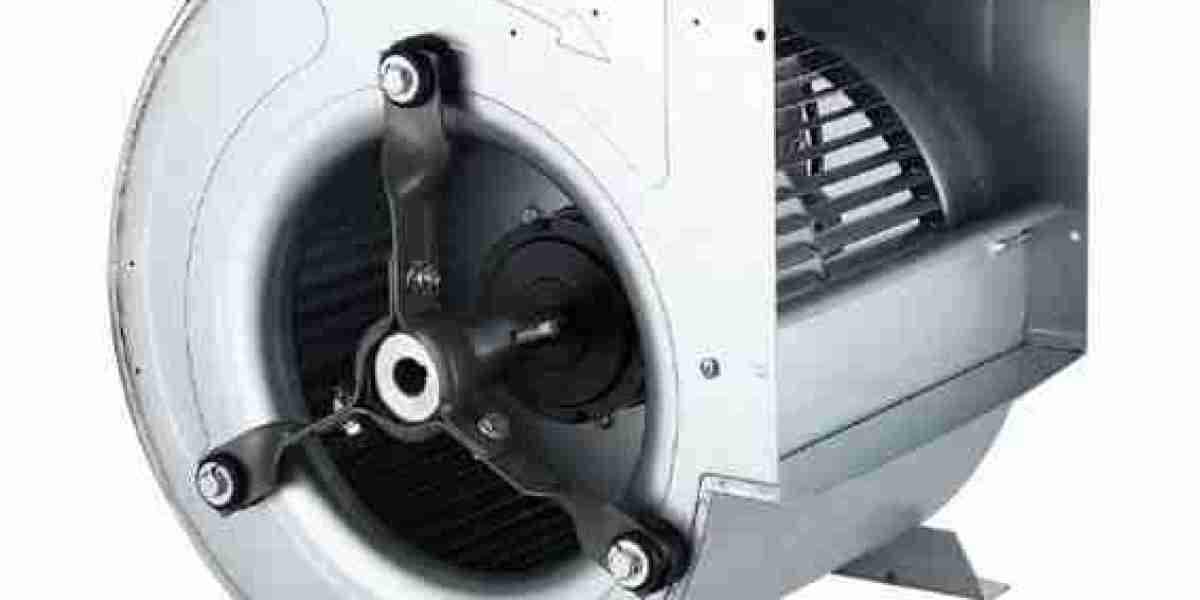

Modern ventilation planning has prompted designers to reconsider how airflow, stability, and system balance are formed inside dense architectural spaces. The presence of the Qinlang HVAC Centrifugal Fan at the beginning of a project often affects the acoustic signature, air path resistance, and long-term operating rhythm of the entire installation. Advanced engineering focuses on solutions capable of handling multiple flow layers while keeping the indoor climate calm and steady, even when structural layouts shift or operational loads fluctuate. As ventilation routes extend across various building sections, engineers prioritize airflow behavior, turbulence management, and structural alignment to maintain a sense of internal calmness that promotes comfort for occupants and reliability for equipment.
Noise reduction has gradually become a central requirement in HVAC engineering because airflow may encounter surfaces that redirect or compress the stream. When this happens, vibration and tonal disturbance can develop within ducts or across mechanical components. Designers therefore incorporate curved flow channels, smooth transitions, and optimized casing geometry to guide the passage of air with minimal shock or turbulence. This principle ensures sensitive areas such as offices, educational facilities, and hospitality zones retain a sense of acoustic softness throughout their daily cycles. As airflow approaches bends or branches, consistent surface finishing reduces micro-interruptions that might otherwise trigger vibration or whistling effects. Through careful shaping of internal paths, airflow becomes smoother, which allows the entire system to operate with a quiet rhythm that occupants rarely notice.
Energy considerations remain a vital part of mechanical planning, since designers aim to maintain airflow without imposing excessive load on power systems. When internal structures reduce resistance, rotation becomes more stable, and this stability helps the motor operate without unnecessary strain. Aerodynamic patterns guide air in a layered and continuous motion, reducing the friction that can influence performance across extended operating periods. With thoughtful geometry, the pressure relationship inside the housing aligns naturally with the path of air, reducing the effort required to sustain circulation throughout the day. These design attributes also minimize heat buildup along moving components, leading to a stable working state that benefits both airflow and mechanical endurance.
Air distribution in large buildings requires steady supply despite shifting occupancy patterns or changing environmental conditions. Designers often rely on balanced flow channels supported by geometric consistency, enabling airflow to travel from the mechanical room to distant zones without uneven dispersion. Guided airflow remains predictable across complex layouts, whether the structure hosts retail areas, enclosed meeting spaces, or broad service corridors. As airflow continues along these paths, the system's internal balance maintains comfort by preventing excessive drafts while still providing the necessary circulation required for safe and healthy indoor environments.
Reliability over long periods depends on how internal components retain structural alignment. When surfaces remain clean, balanced, and stable, the system can operate smoothly across seasonal changes. Structures are designed with durability in mind, granting airflow enough stability to navigate bends, height differences, and pressure variations without generating distortion within the mechanical housing. Reinforcement placed along strategic sections ensures the internal shape maintains integrity against ongoing stress from rotation and pressure cycles, supporting consistent behavior that benefits the building's ventilation strategy.
As ventilation demands continue to evolve, the engineering philosophy behind advanced airflow equipment grows increasingly important. By incorporating a refined understanding of flow behavior, acoustic sensitivity, and structural resilience into each design stage, systems can sustain long-term indoor comfort. The HVAC Centrifugal Fan remains a defined part of the building's operational foundation, and Qinlang supports this role by offering stable, carefully engineered products accessible through https://www.qinlangfan.com/