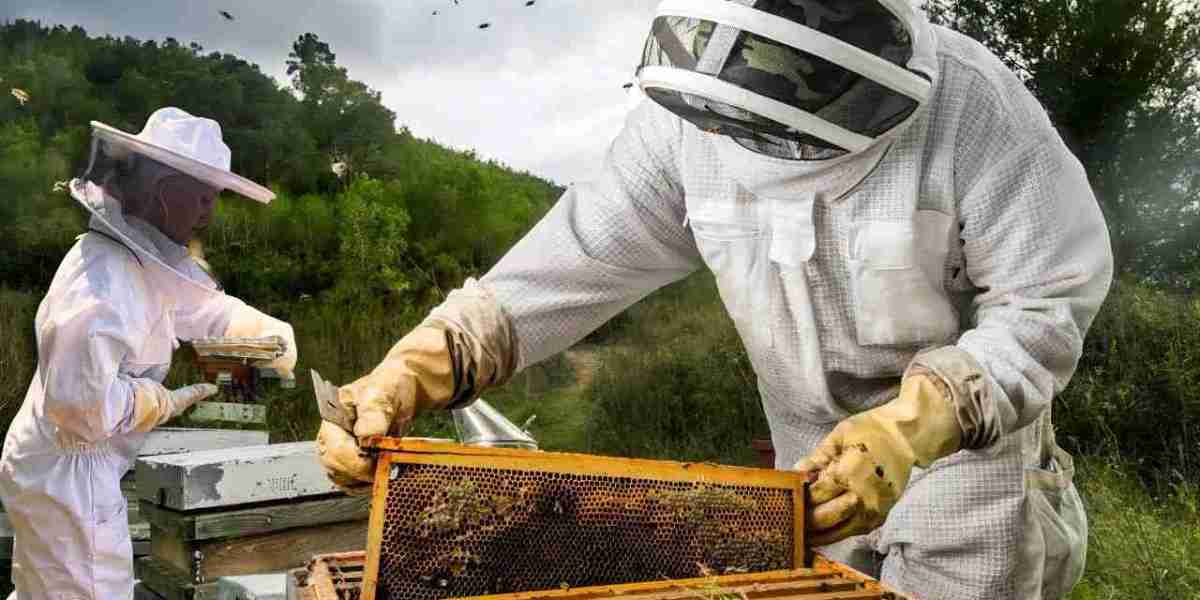

Taking the Right First Step
Finding a large number of bees around a property can be concerning, especially when they are entering a wall, roof space, tree, or another occupied area. Rather than immediately disturbing the colony, it is important to understand where the bees are gathering and whether an established nest is present. A careful first assessment can support safer decisions.
Assessing the Colony Location
Bee Removal and Relocation Services in Upland CA can begin with determining exactly where the colony is established and how accessible the nesting area is. Bees may occupy cavities that are hidden from view, making a surface-level inspection insufficient. Understanding the location helps determine what equipment, access methods, and removal approach may be appropriate.
Distinguishing Bees From Other Insects
Not every flying insect around a property requires the same response. Honey bees, bumble bees, wasps, and other stinging insects have different behaviors and nesting habits. Accurate identification can therefore influence the management strategy. When bees are involved, preserving the colony when reasonably possible may also help avoid unnecessary harm to beneficial pollinators.
Considering Property Safety
An active colony near entrances, walkways, patios, play areas, or frequently used rooms can create an immediate concern for occupants. Children and pets should be kept away from concentrated bee activity until the situation is assessed. Attempting to block an entrance or disturb the nest without understanding its location can potentially cause bees to seek alternative routes into the structure.
Planning Removal Around the Nest
The physical location of a colony can determine how complicated removal becomes. A nest inside a wall may require a different approach from one located in a tree or an accessible outdoor cavity. Before work begins, the surrounding structure should be considered carefully so that the removal process does not unnecessarily damage siding, roofing, insulation, landscaping, or other property features.
Protecting Pollinators During the Process
Bee management should account for the potential effects of pesticides and other control methods. The EPA notes that pesticide exposure can affect bees and other pollinators and recommends measures that reduce unnecessary exposure. When chemical treatment is considered, product labels and applicable restrictions should be followed carefully.
Deciding When Broader Pest Management Is Needed
Pest Control Services in Upland CA may be relevant when bee activity occurs alongside other pest concerns or when conditions around a property encourage repeated insect activity. A broader inspection can identify entry points, nesting opportunities, food sources, and other environmental factors. EPA guidance also recommends considering integrated pest management and choosing qualified professionals when assistance is needed.
Handling the Nesting Material
Removing visible bees does not necessarily address everything left behind. If a colony has occupied a structural cavity, honeycomb, wax, or other nesting material may remain after the bees are gone. Depending on the location, these remnants can create additional concerns or attract insects. Properly evaluating the cavity and determining whether cleanup or repairs are necessary can therefore be important.
Closing Potential Entry Points
Once the colony has been successfully removed, attention can turn toward the openings that allowed the bees to enter. Gaps around roof edges, siding, vents, eaves, utility penetrations, or other structural features may provide future nesting opportunities. Sealing suitable openings after confirming that the colony has been removed can help reduce the likelihood of another colony occupying the same location.
Being Careful With Chemical Applications
Pesticides should not be treated as a universal solution for every bee situation. The EPA recommends using pesticides only when necessary, treating specific areas rather than unnecessarily broad spaces, and following label directions. Its guidance also highlights measures designed to reduce exposure to bees and other beneficial insects.
Monitoring the Property Afterwards
Continued observation can help determine whether removal has fully addressed the issue. A few bees may remain around a former nesting location for a period, but persistent activity could indicate that part of the colony remains or another entrance has been discovered. Monitoring nearby rooflines, walls, trees, and other previous activity areas can provide useful information after the initial work.
Maintaining a Bee-Aware Property
Long-term prevention is easier when potential nesting opportunities are identified before another colony becomes established. Routine inspections can reveal damaged screens, open vents, structural gaps, or sheltered cavities that may attract insects. Maintaining these areas while keeping landscaping and outdoor spaces in good condition can reduce opportunities for unwanted nesting without unnecessarily disturbing beneficial pollinators.
Building a Responsible Management Plan
Effective bee management requires balancing property protection, personal safety, and responsible treatment of pollinators. Inspection, careful removal, relocation when appropriate, structural maintenance, and follow-up monitoring can work together as a practical strategy. When pesticides are necessary for related pest concerns, EPA guidance emphasizes following label requirements and taking steps to minimize risks to bees and other pollinators.