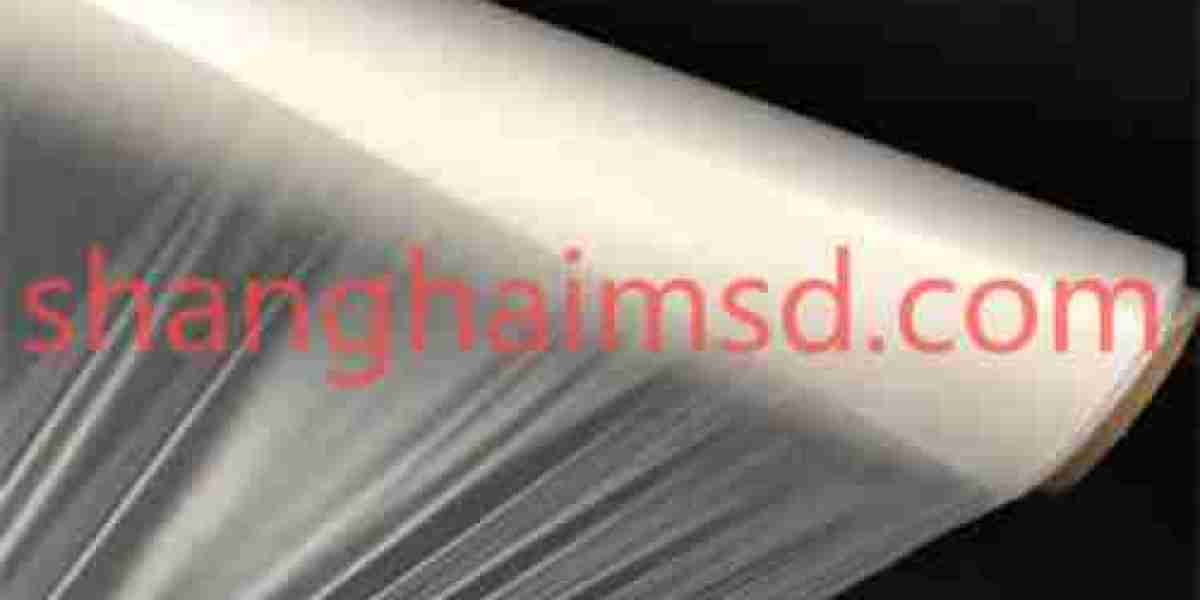

When visibility becomes an important part of product design, PVC Super Clear Film from ShanghaiMsd offers a practical material option for applications where transparency, flexibility, and surface appearance need to work together. From packaging and protective covers to printing, displays, and industrial uses, clear film can provide designers and manufacturers with a useful way to maintain visual access while incorporating a functional material layer into the finished product.
Transparency can influence how people interact with an object. When the contents, surface details, or underlying structure remain visible, the material itself becomes less visually intrusive. This characteristic can be useful in packaging, where customers may want to see a product before making a purchasing decision. Clear surfaces can also support product presentation while helping separate the contents from external contact.
Packaging is one area where transparent film offers considerable design flexibility. It can be formed, wrapped, laminated, printed, or incorporated into different packaging structures according to the requirements of a project. A transparent section can showcase colors, textures, shapes, or decorative elements while allowing the package to retain its intended structure.
Protective applications offer another direction. Transparent film can serve as a visible barrier over surfaces that need protection without completely concealing the underlying object. This concept can be considered for furniture surfaces, displays, printed materials, equipment components, and other products where maintaining visibility is useful. The specific construction should be selected according to the environment and handling requirements.
Printing can also transform the role of a transparent film. Instead of functioning solely as a clear layer, it can become part of a graphic composition. Designers can combine transparent areas with printed patterns, text, decorative elements, or color effects to create visual depth. This opens possibilities for labels, promotional displays, packaging details, decorative surfaces, and customized product components.
Flexibility is equally relevant. Unlike rigid transparent sheets, flexible film can be rolled, folded, cut, or fabricated into different forms depending on its construction and intended application. This can make it easier to integrate into manufacturing processes that require curved surfaces, wrapped structures, or adaptable packaging designs.
In retail environments, transparency can contribute to a cleaner relationship between the product and its presentation. Display boxes, protective coverings, graphic panels, and decorative structures can maintain visual access while supporting the surrounding design concept. When transparency and printed graphics are carefully combined, the material can become part of the visual identity of a product or display.
Industrial applications may require a different approach. Clear film can be considered where operators or users need to see through a protective layer, monitor a surface, or maintain visual communication between components. In such situations, material selection should take into account flexibility, surface treatment, fabrication requirements, environmental exposure, and the expected method of use.
For manufacturers, the selection process should begin with the finished application rather than simply focusing on appearance. Questions about forming, printing, bonding, cutting, storage, installation, and environmental conditions can help determine which film construction is appropriate. A clear appearance may be the starting point, but the production process ultimately shapes the material choice.
The creative value of transparent film lies in what it allows designers to reveal. A package can display its contents, a protective layer can preserve visibility, and a decorative surface can combine graphics with an underlying structure. These possibilities make transparency more than a visual characteristic; it can become part of the product concept itself.
Sometimes the most interesting design element is the one that allows everything behind it to remain visible. If transparency could become part of your next product idea, take a closer look at https://www.shanghaimsd.com/product/ and see where a clear material concept might lead your project.