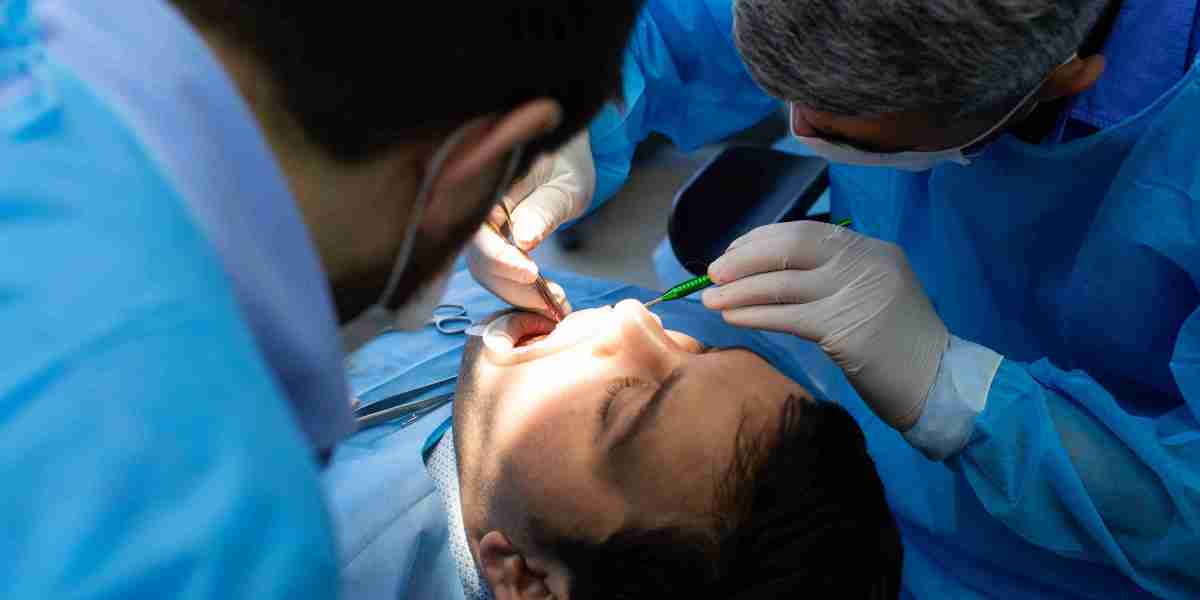

Dentists may recommend extraction when a tooth cannot be restored, has a poor long-term outlook, or could create problems for nearby teeth and tissues. Therefore, a painless tooth may still require treatment based on what an examination and dental X-rays reveal.
If you are looking for a tooth extraction in Woodbridge, VA, understanding why a dentist might recommend extraction without pain can help you better understand the treatment decision.
Why Doesn't a Damaged Tooth Always Hurt?
Tooth pain usually occurs when inflammation or infection affects the nerves and tissues inside or around a tooth. However, dental problems do not always produce immediate symptoms.
For example, decay can progress gradually. A tooth may lose a large amount of structure before a person notices discomfort. Similarly, some cracks cause few symptoms until the damage becomes more extensive.
In addition, a tooth with an infected or damaged pulp may sometimes stop hurting after the nerve inside the tooth loses its ability to respond. This does not necessarily mean the infection has disappeared. Instead, the underlying problem may continue to affect the tissues around the root.
Consequently, the absence of pain does not always mean that a tooth is healthy.
1. The Tooth May Have Severe Decay
One common reason for recommending extraction is extensive tooth decay. Early cavities may not cause any noticeable symptoms. However, untreated decay can gradually destroy the enamel and deeper layers of the tooth.
When decay becomes extensive, there may not be enough healthy tooth structure remaining to support a filling or crown. In such cases, extraction may be considered if the tooth cannot be predictably restored.
However, severe decay does not automatically mean that removal is necessary. Depending on the amount of remaining structure and the condition of the pulp, treatments such as root canal therapy and a crown may still be possible.
2. The Tooth May Have a Hidden Infection
A dental infection does not always cause continuous pain. Sometimes, an infection develops around the root of a tooth and produces few obvious symptoms.
Dental X-rays can help identify changes around the root that may not be visible during a routine examination. Depending on the condition of the tooth, root canal treatment may be an option. However, if the tooth cannot be restored or the infection cannot be predictably treated, extraction may be recommended.
The American Association of Endodontists notes that root canal treatment can often save teeth with infected or inflamed pulp when the tooth remains restorable. (aae.org)
3. A Crack May Make the Tooth Unrestorable
A cracked tooth can sometimes exist without constant pain. Nevertheless, certain fractures can compromise the tooth's structure.
Some minor cracks, such as craze lines, may not require major treatment. On the other hand, a crack that extends below the gum line or a split tooth may not be restorable as a complete tooth.
According to the American Association of Endodontists, split teeth generally cannot be saved as one complete tooth, while treatment options for other cracks depend on their type and location. (aae.org)
Therefore, a dentist may recommend extraction even when the patient does not experience significant pain.
4. Advanced Gum Disease May Have Weakened the Tooth
Teeth rely on healthy gums, bone, and supporting tissues to remain stable. Advanced periodontal disease can gradually damage these supporting structures.
As the supporting bone decreases, a tooth may become loose or difficult to maintain. Interestingly, gum disease can progress for a long time without causing significant pain.
The Centers for Disease Control and Prevention notes that gum disease can cause symptoms such as swollen or bleeding gums, loose teeth, and changes in how teeth fit together. (cdc.gov)
If a tooth has lost too much support, extraction may sometimes be considered.
5. A Wisdom Tooth May Be Causing Problems
Wisdom teeth are another reason a dentist may recommend extraction even when there is little or no pain.
A wisdom tooth may become impacted, meaning it does not fully emerge into the mouth. It can also grow at an angle or become partially covered by gum tissue.
These situations can make cleaning difficult and may increase the risk of decay, gum problems, or infection. In some cases, a wisdom tooth may also affect nearby teeth.
However, not every wisdom tooth needs to be removed. Dentists generally consider its position, health, symptoms, and potential risks before recommending extraction. (ada.org)
6. There May Not Be Enough Healthy Tooth Structure
Sometimes, a tooth has been weakened by repeated fillings, fractures, decay, or previous dental treatment.
Even if the tooth does not hurt, the remaining structure may not provide enough support for another restoration. A dentist may therefore determine that the tooth has a poor long-term outlook.
The goal is not simply to remove a tooth because it is damaged. Instead, the dentist considers whether the tooth can function reliably after treatment.
7. The Tooth Could Affect Nearby Teeth or Tissues
A problematic tooth can sometimes create concerns for surrounding structures. For example, an impacted wisdom tooth may make cleaning around the neighboring molar difficult.
Likewise, infection or bone damage around a tooth can affect the surrounding tissues. Therefore, dentists may consider the overall condition of the mouth rather than focusing only on whether one tooth hurts.
This is why regular dental examinations matter. Some problems become visible on X-rays before they produce noticeable symptoms.
Can You Ask Whether the Tooth Can Be Saved?
Yes. If you are surprised by an extraction recommendation, it is reasonable to ask your dentist for an explanation.
Useful questions include:
- Why does this tooth need to be removed?
- What did the examination or X-ray show?
- Is the tooth considered restorable?
- Could a filling, crown, or root canal save it?
- What could happen if I wait?
- Would an endodontist's opinion be useful?
- If extraction is necessary, should the tooth eventually be replaced?
These questions can help you understand the diagnosis and available treatment options.
For someone researching tooth extraction in Woodbridge, VA, these questions can also provide a useful framework for discussing treatment with a local dental professional.
What Happens If You Delay Treatment?
A painless dental problem can still progress. Decay may become deeper, a crack may extend, or an infection may spread to surrounding tissues.
However, the consequences depend on the underlying condition. Some teeth can remain stable for a period of time, while others may deteriorate more quickly.
Therefore, if a dentist recommends extraction, ask what could happen if treatment is postponed. Understanding the potential risks can help you make an informed decision.
What Happens After an Extraction?
If a tooth cannot be saved, extraction removes the affected tooth and allows the area to heal. Depending on the location and function of the missing tooth, replacement may later be considered.
Possible replacement options include dental implants, bridges, or removable partial dentures. The appropriate option depends on factors such as bone health, the location of the tooth, overall oral health, and individual treatment needs.
A dentist can explain whether replacement is necessary and when it should be considered.
Final Thoughts
A tooth does not have to hurt to have a serious dental problem. Extensive decay, hidden infection, structural damage, advanced gum disease, or certain wisdom tooth problems can develop with few noticeable symptoms.
At the same time, extraction is not automatically required simply because a tooth looks damaged or appears on an X-ray. The key question is whether the tooth can be predictably restored and remain functional.
If your dentist recommends removing a painless tooth, ask about the underlying diagnosis and whether other treatments could preserve it. Whether you are researching tooth extraction in Woodbridge, VA or seeking information about dental treatment elsewhere, understanding the reason behind the recommendation is an important part of making an informed oral health decision.