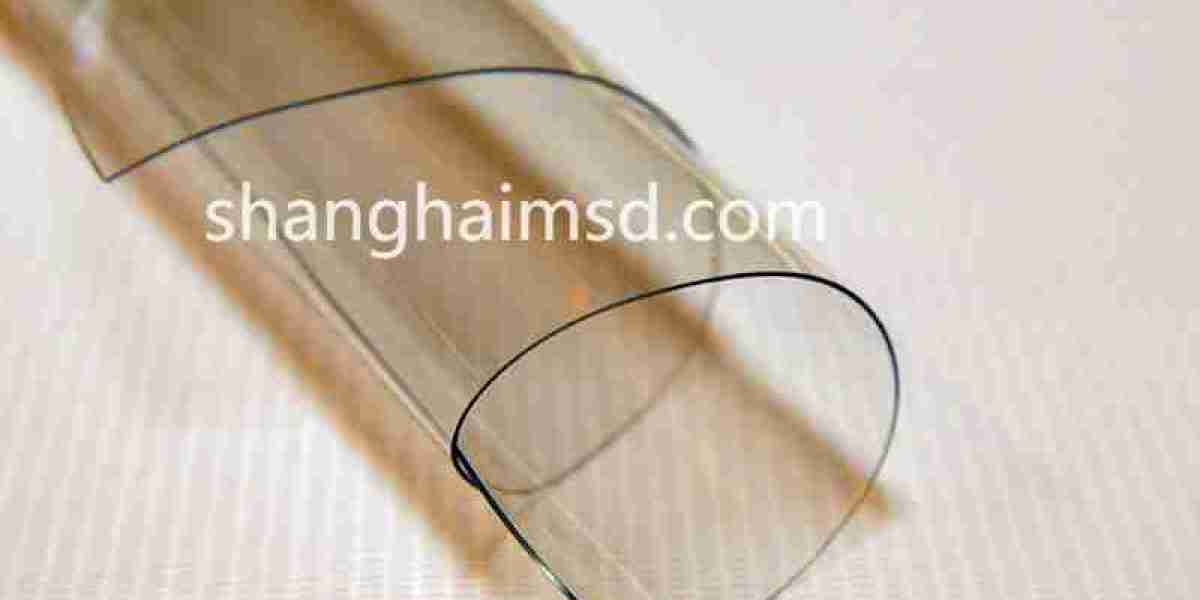

PVC Super Clear Film gives designers and manufacturers a way to make transparency an intentional part of a product or structure. ShanghaiMsd offers material possibilities for applications where clear appearance, flexibility, processing, and visual presentation need to work together.
Transparency can communicate something before a customer reads a label or interacts with a product. It can reveal contents, preserve visibility, and create a direct visual relationship between an object and its surroundings. For this reason, clear materials have a distinctive role in packaging, retail, manufacturing, and product presentation.
Packaging is one area where clarity can influence the entire design concept. A transparent section can allow the contents to remain visible while still becoming part of the package structure. Designers can combine clear surfaces with printed graphics, folded elements, labels, or supporting materials to create packaging that communicates through both information and appearance.
Protective applications provide another direction. A clear covering can create a physical barrier while allowing the protected object to remain visible. This concept may be useful for product protection, display covers, equipment components, surface protection, and other projects where completely hiding the underlying item is undesirable.
Retail displays can also make use of transparency as a design feature. Clear panels, windows, covers, and decorative components can help products remain visually connected to the surrounding environment. Rather than creating a solid visual block, transparent elements can preserve a sense of openness within a display arrangement.
The material can also become part of printed design. Graphics do not always need to exist on an opaque background. Designers can consider transparent areas, layered visual elements, selective graphics, and combinations of printed and clear surfaces. These approaches can create visual depth while allowing the underlying structure to remain part of the composition.
Manufacturing requirements naturally influence material selection. Cutting, forming, sealing, printing, bonding, and other fabrication processes should be considered according to the finished product. Planning these steps early can help manufacturers determine whether a particular clear film is appropriate for the intended construction.
In product development, transparency can also serve a practical purpose. Visibility may allow users to observe contents, inspect an internal area, or recognize a product without opening its surrounding structure. This can make clear materials relevant to projects where visual access is part of everyday use.
Designers should also consider the environment in which the finished product will operate. Handling, installation, cleaning, surface appearance, and interaction with other components can all influence the choice of material. A clear surface may look simple, but its role within a complete product can involve many design decisions.
As modern product concepts continue to combine function with visual communication, transparency offers an interesting creative language. It can reveal rather than conceal, connect rather than separate, and provide designers with another way to organize what people see.
Sometimes the most interesting part of a product is what remains visible. Visit https://www.shanghaimsd.com/product/ and take a closer look at the clear possibilities waiting for your next idea.