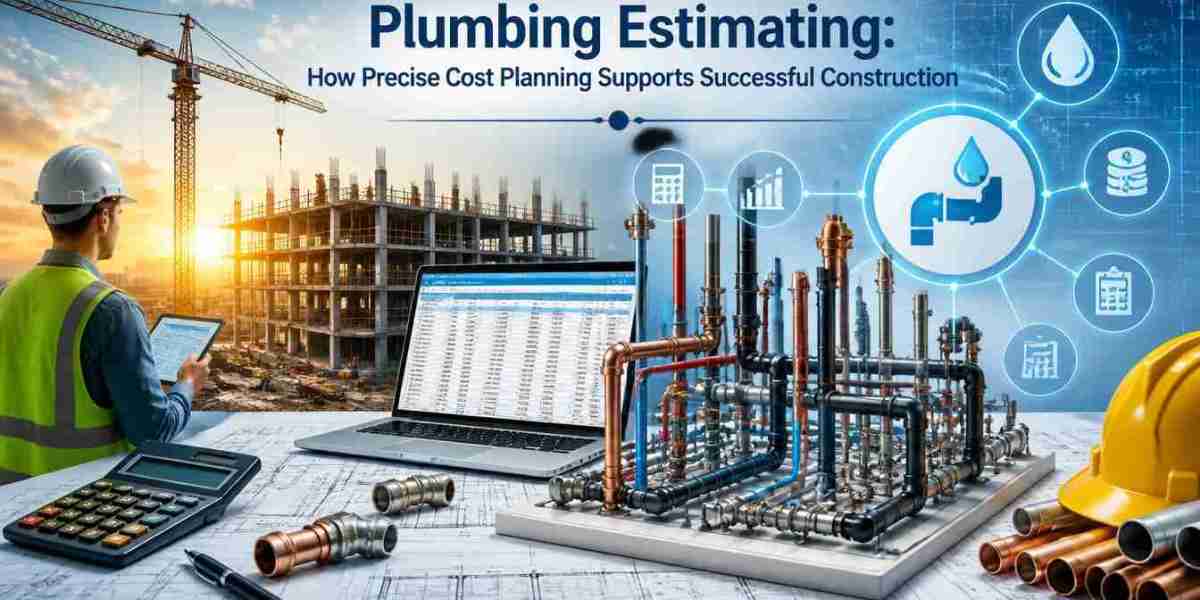

An estimator is pricing the plumbing for a 120-unit apartment building using one flat “per door” rate. During the takeoff, they find that the corner units have larger bathrooms, extra fixtures, and different pipe runs than the standard floor plan. This difference is exactly what good plumbing estimating should catch before the bid goes out.
SMA Estimating LLC's plumbing estimating services are designed to price each unit based on its actual fixture count and pipe runs instead of using one average rate. Here's why flat-rate plumbing estimates can fail on multi-unit projects and what helps keep the bid accurate.
Why Do Flat-Rate Plumbing Estimates Fail On Multi-Family Jobs?
No two units in a building are exactly the same, even if they have the same floor plan. A single average rate can hide these differences until they become expensive to fix.
Corner units, ADA-compliant units, and top-floor units connected to a shared stack can have different fixture counts and pipe lengths. Plumbing cost estimating that treats every unit the same can miss these differences. The additional costs can lead to change orders during the project instead of being included in the initial budget.
How Much Multi-Family Work Is Actually Out There Right Now?
More than most people realize, there is growing demand. New authorizations for five-or-more-unit buildings hit a seasonally adjusted annual rate of 490,000 in July 2026 (US Census Bureau). That's a large number of multi-unit plumbing projects being bid at the moment, and it means that flat rate estimates can easily miss out on differences between the units and cut into profits.
What Should A Plumbing Estimate Actually Break Down?
Fixture counts, pipe materials and sizes, and labor should be priced separately, not combined into one number per unit. Division 22 (Plumbing) scopes depend on this level of detail.
Estimate Component | Why It Varies by Unit |
Fixture count | ADA units, corner units often differ |
Pipe sizing & material | Depends on fixture unit load, stack distance |
Vertical stack runs | Top floors carry different lengths than the ground floor |
Rough-in labor hours | Access and unit layout affect time per unit |
Fixture-to-fixture spacing | Code-driven, changes with layout variation |
Why Does Fixture Unit Load Matter So Much?
Because fixture units are what determine pipe sizing, not guesswork or a simple rule of thumb. Undersizing pipes can result in code violations, failed inspections, and rework.
Accurate plumbing estimation uses code-based tables to calculate fixture units and applies them to the branch and stack piping. Omitting this process and guessing the correct pipe diameter can lead to failed inspections and expensive revisions.
How Does This Affect Overall Cost Control?
It's the difference between a budget that holds and one that falls apart during the project. Once the rough-in is set, changing pipe sizes or fixture layouts can become expensive quickly.
Real plumbing cost control starts with the takeoff. Each unit type should be priced based on its actual fixtures, pipe runs, and other requirements instead of using one rate for every unit. Estimators who account for these differences upfront can avoid many of the cost surprises that reduce contractor profit.
What Should You Expect From A Plumbing Estimating Partner?
Unit-by-unit accuracy matters more than a shortcut average. If a bid does not reflect the actual mix of unit types, it is not a reliable estimate. It is a guess with a spreadsheet attached.
SMA Estimating LLC prices plumbing scopes by unit type, fixture count, pipe size, materials, and pipe runs. On a 120-unit building, small discrepancies between each unit can multiply across all units. They deliver accurate plumbing estimates within 24-48 hours to help contractors get fast numbers for their bids.
Conclusion
Good plumbing estimating is not about just counting fixtures and pipes. It is the process of calculating the cost of every fixture, the number of pipes of a particular size, the type of materials used, and the amount of manpower needed. Estimators who analyze this data before sending the invoice to the contractor save the company from incurring huge costs due to adjustments for the project at hand. SMA Estimating LLC estimates the cost of all the fixtures, the number of pipes of a specific diameter, and counts the number of fittings that will be required during installation. This method is good for contractors since it helps them determine an estimate they can bid and adhere to as they execute the project.