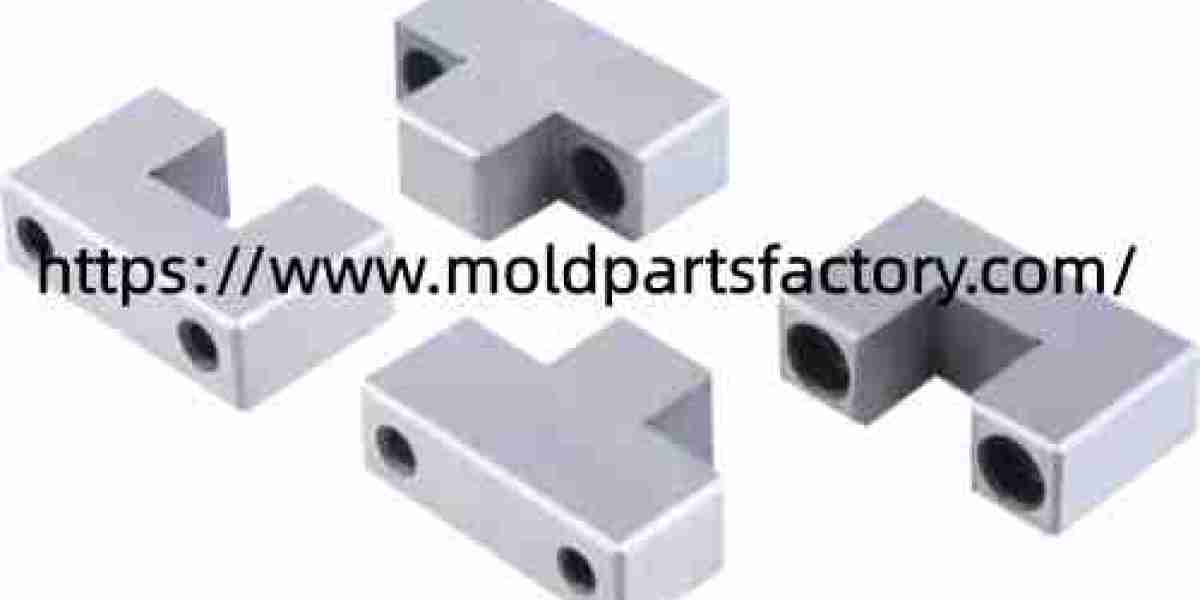

Precision Positioning Block selection should begin with the actual mold structure rather than a catalogue dimension. Buyers need to consider where the component will be installed, how the two mold sections meet, what nearby parts are moving, and how much space is available. These details can influence the suitable size, material, mounting method, and tolerance. A careful review at the beginning can also help reduce adjustment work during assembly.
Mold geometry is one of the first areas worth checking. A simple tool may have enough open space for conventional locating hardware, while a more complicated structure may contain inserts, sliders, ejector parts, cooling channels, or narrow working areas. Each additional feature can affect where a component can be installed. The selected part should therefore fit naturally into the existing layout instead of requiring unnecessary changes to the mold.
Dimensional information should also be reviewed carefully. Length, width, height, hole dimensions, mounting locations, and working clearances need to correspond with the tooling drawing. Even a small difference can create difficulties when several components need to work together. Buyers should compare supplier drawings with their own engineering files before production begins.
Material is another consideration. Mold components can experience repeated contact, pressure, friction, and temperature changes during normal operation. Depending on the application, designers may consider tool steel, heat treatment, surface treatment, and hardness requirements. The appropriate combination depends on production conditions and the expected working environment.
Hardness should not be considered separately from the surrounding material. If two mating surfaces have different characteristics, their interaction can influence wear over time. Surface finish also deserves attention because rough or damaged contact areas may affect smooth assembly and repeated movement.
Mounting conditions can make a noticeable difference as well. The installation surface needs enough material to support the component securely. Holes should be machined according to the required dimensions and located correctly in relation to the mold reference points. If the installation area is crowded, designers should also check whether tools can reach the fasteners during assembly or future maintenance.
Clearance around moving elements should be checked before machining. A component may appear suitable on a two dimensional drawing while creating interference when the complete mold opens and closes. Three dimensional design review can help engineers observe potential conflicts between inserts, ejector assemblies, sliders, cooling passages, and other internal features.
The required level of accuracy should come from the application itself. Some molds allow greater assembly tolerance, while molds for small electronic parts, connectors, or detailed plastic components may require closer control between mating sections. The selection should match the actual manufacturing requirement rather than relying on a generic specification.
Another useful consideration is replacement. Components exposed to repeated contact may eventually require inspection or replacement. A design that allows straightforward access can make maintenance easier. Buyers should ask whether standard dimensions are available, whether replacement pieces can be ordered separately, and whether technical drawings are provided for future servicing.
For applications involving Double Bolt Angular Pins Retainer buyers should also examine how the related components interact within the complete tooling arrangement. The surrounding structure, fastening method, available clearance, and movement sequence should all be reviewed before confirming the final configuration.
Supplier communication can make the selection process smoother. Sharing a drawing, component dimensions, material requirements, application details, and installation conditions gives the manufacturer useful information for evaluating the request. It also creates an opportunity to identify possible conflicts before machining begins.
Moldpartsfactory provides a range of mold components for manufacturers working with injection tooling and related applications. Product selection can be discussed around the actual dimensions and structural requirements of each project, helping buyers compare suitable configurations instead of relying only on general catalogue information.
A sensible purchasing process does not end with checking a single dimension. Buyers should review the complete mold layout, material, tolerance, mounting arrangement, surrounding clearance, maintenance access, and expected working conditions. Taking these factors into account can make assembly planning clearer and help avoid unnecessary changes later.
For manufacturers looking for mold component options, specifications, and application references, the product range and company information can be reviewed at https://www.moldpartsfactory.com/ This provides a convenient starting point for discussing requirements and selecting components according to the actual tooling project.