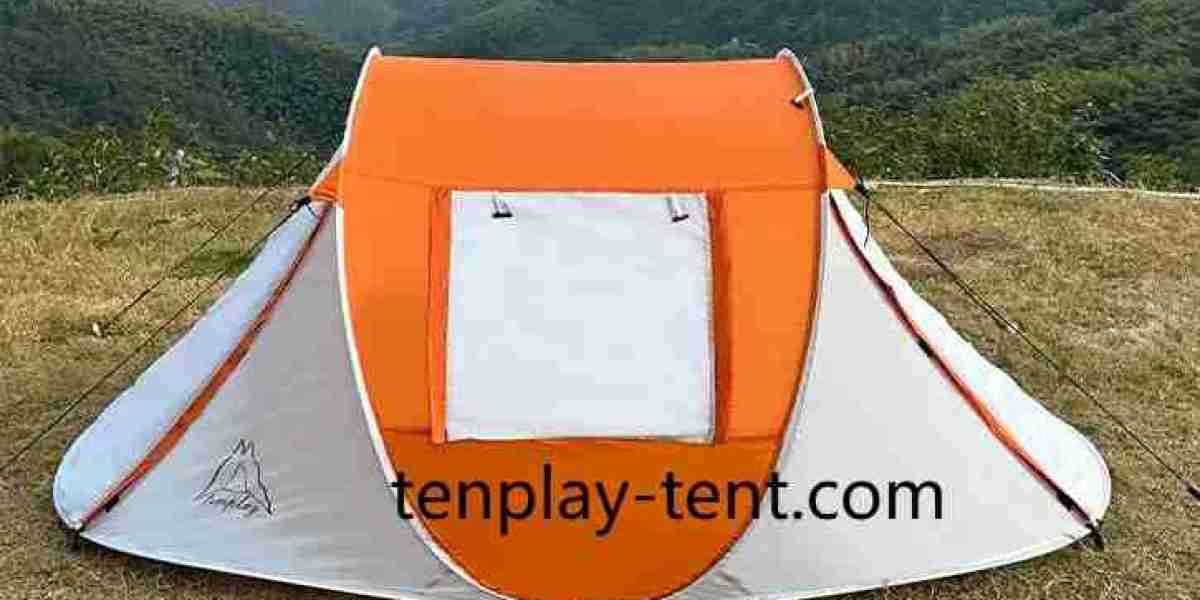

Outdoor activities often require a temporary space that can provide shade without creating a complicated setup process, which is why an Instant Pop Up Sun Shelter can be an appealing option for people who value convenience and flexible outdoor use. Ningbo Zhenhai Tiansai Leisure Products Co., Ltd. develops leisure products for outdoor environments, making material selection, structural design, user comfort, portability, and appearance useful factors to consider when evaluating this type of shelter.
The fabric is one of the most important elements because it forms the primary protective surface. A suitable textile should offer a balance between durability, flexibility, breathability, and resistance to everyday outdoor conditions. Since sun shelters may be exposed to sunlight, dust, moisture, and repeated handling, buyers should consider how the fabric performs during both use and storage. A material that is easy to handle and maintain can make the entire product more practical.
Fabric construction also influences the atmosphere inside the shelter. A tightly arranged surface can create a stronger sense of coverage, while carefully designed openings or breathable sections can encourage air movement. The ideal combination depends on the intended environment and the user's priorities. For beach outings, family relaxation, picnics, or casual camping, ventilation can be especially important because a comfortable shaded space should not feel unnecessarily enclosed.
The support structure deserves equal attention. A pop up shelter depends on its frame and connected components to create its intended form. The frame should work naturally with the fabric so that setup is straightforward and the shelter remains orderly during use. Flexible structural elements can support convenient opening and folding, while secure connection points help maintain the relationship between the frame and textile sections.
When selecting a portable sun shelter, the first question should be how it will actually be used. A shelter for a beach visit may have different priorities from one used in a garden, park, campsite, or outdoor event. Some users may focus on shade and ventilation, while others may value portability, privacy, storage convenience, or quick assembly. Defining the main use makes it easier to compare products according to practical needs.
The setup experience can have a major effect on user satisfaction. Outdoor products are often used when people want to relax rather than spend significant time assembling equipment. A logical opening mechanism and clearly organized structural components can make the process easier to understand. The folding process is equally important because users need to return the product to a manageable form after an activity.
Portability is closely connected with this experience. A shelter may be carried from a home to a vehicle and then from a parking area to a beach or recreational location. Its overall construction should therefore be considered from a handling perspective. Comfortable transportation and convenient storage can increase the likelihood that users will take the shelter along for spontaneous outdoor activities.
Stability is another functional consideration. Outdoor environments can change quickly, particularly in open areas where wind may affect temporary structures. A thoughtfully designed shelter should include practical anchoring and support arrangements suitable for its intended environment. Users should always follow the product's setup and anchoring instructions and avoid using temporary shelters in conditions beyond their intended application.
Ventilation contributes to comfort throughout the day. Shade alone does not guarantee a pleasant environment if air becomes trapped inside. Mesh panels, open sides, breathable fabric, and carefully positioned structural sections can help create better airflow. At the same time, the design needs to maintain an appropriate balance between ventilation, shade, and the level of coverage users expect.
Maintenance is another part of product selection that is sometimes overlooked. Outdoor shelters can collect sand, soil, leaves, and moisture during use. A design with accessible fabric surfaces and straightforward connections can make cleaning easier. Allowing wet materials to dry properly before storage can also help keep the product in better condition and reduce unpleasant odors.
Appearance has become increasingly important in outdoor leisure products. A shelter can be both a practical structure and a visible part of a recreational setting. Clean silhouettes, coordinated fabric panels, carefully shaped frames, and balanced proportions can give a portable shelter a modern appearance. Thoughtful design can make the product feel appropriate in a beach, garden, campsite, or park without sacrificing its practical purpose.
Ningbo Zhenhai Tiansai Leisure Products Co., Ltd. considers outdoor usability and product design when developing leisure products for different recreational environments. For buyers, evaluating fabric quality, structural construction, setup, portability, ventilation, maintenance, stability, and appearance together can provide a clearer understanding of whether a shelter fits a particular activity.
For retailers, outdoor enthusiasts, and families looking for practical temporary shade, product design should reflect the real situations in which the shelter will be handled, assembled, used, cleaned, and stored. Ningbo Zhenhai Tiansai Leisure Products Co., Ltd. develops leisure products with attention to practical outdoor use and user-oriented design. Further information about its products and related solutions is available at https://www.tenplay-tent.com/product/