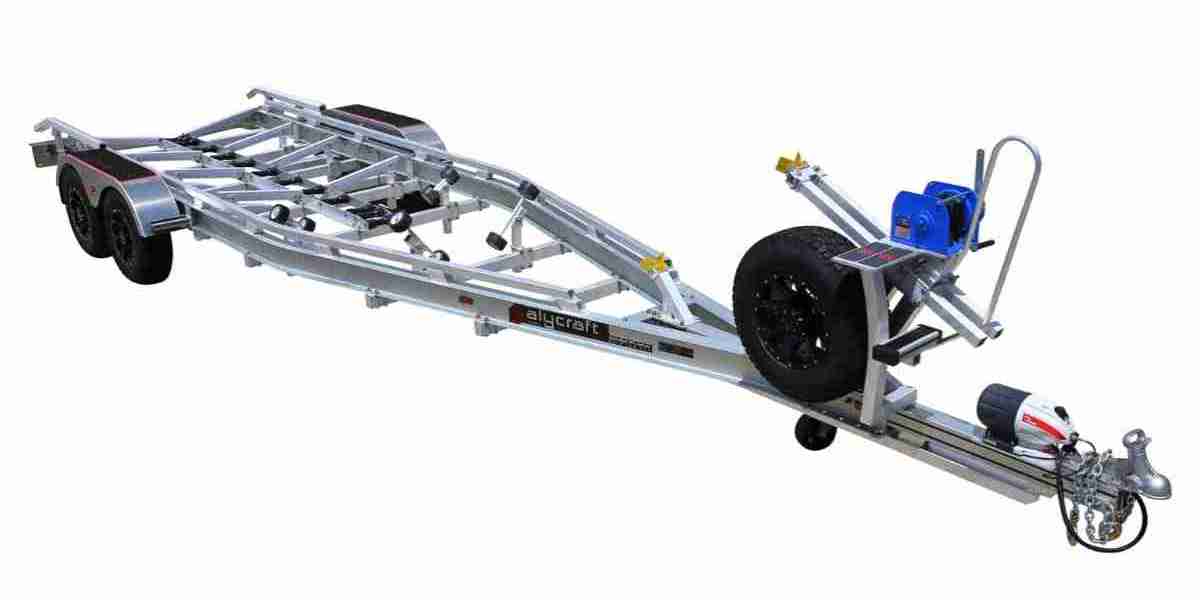

Buying the right trailer is just as important as choosing the right boat. In Australia, an aluminium boat trailer can be an excellent long-term investment because it combines relatively low weight with strong corrosion resistance, making it particularly suitable for boat owners who regularly launch in saltwater. However, the price can vary considerably depending on the size of the boat, trailer capacity, axle configuration, braking system, rollers or skids, frame construction, and optional equipment. For 2026, buyers can expect aluminium boat trailers to range from several thousand dollars for smaller, straightforward setups to well above $15,000 for larger, heavy-duty and highly specified trailers.
Understanding Aluminium Boat Trailers Prices before you start shopping can help you set a realistic budget and avoid paying for features you do not actually need. A small trailer for a lightweight fishing boat will naturally cost much less than a heavy-duty tandem-axle trailer designed for a large offshore boat. This guide explains the typical pricing structure in Australia, the factors that influence the final cost, what to look for when comparing trailers, and how to make a smart purchase in 2026.
What Is the Average Cost of an Aluminium Boat Trailer in Australia?
The price of an aluminium boat trailer depends primarily on the size and weight of the boat it is designed to carry. As a broad 2026 guide, smaller aluminium trailers can start at around $3,000 to $5,000, while mid-sized trailers commonly fall somewhere around $5,000 to $12,000. Larger tandem-axle and heavy-duty aluminium trailers can move beyond $12,000 and may reach $20,000 or more when they include higher load ratings, advanced braking systems, custom dimensions and additional equipment.
These figures should be treated as general market guidance rather than fixed prices. A trailer designed specifically around a particular hull can have a different price from a standard trailer of a similar length. Custom fabrication, upgraded suspension, additional rollers, larger wheels, electric or hydraulic braking and increased load capacity can all add to the final cost.
When comparing boat trailers for sale, it is therefore important to look beyond the advertised starting price. A low headline price may represent a basic configuration, while a more expensive trailer could already include features that would otherwise need to be added separately.
Aluminium Boat Trailer Price Guide by Boat Size
For smaller boats, approximately 3.5 to 4.5 metres in length, an aluminium trailer may typically cost around $3,000 to $5,500. These trailers are generally lighter and may use a single axle, making them relatively simple to manoeuvre, store and tow. They can be suitable for lightweight fishing boats, dinghies and smaller recreational vessels, provided the trailer's capacity matches the fully loaded boat.
For boats around 4.5 to 5.5 metres, prices can commonly move into the $5,000 to $9,000 range. At this size, buyers may have a wider choice of roller or skid systems, stronger frames, larger wheels and braking equipment. The actual cost will depend heavily on the boat's loaded weight rather than length alone.
For boats between approximately 5.5 and 6.5 metres, aluminium trailers can commonly cost around $8,000 to $15,000 or more. These trailers often require greater load capacity and may use tandem axles, more substantial suspension and stronger braking systems. Boats used for offshore fishing can also require more specialised support and load distribution.
For larger boats above 6.5 metres, prices can exceed $15,000, particularly when a custom-built tandem- or multi-axle configuration is required. Heavy-duty aluminium construction, higher ATM ratings, upgraded brakes, specialised roller systems and custom dimensions can significantly increase the overall investment.
Why Are Aluminium Boat Trailers More Expensive?
One of the main reasons aluminium trailers can cost more than conventional galvanised steel trailers is the material itself. Aluminium suitable for marine applications can be more expensive, while manufacturing an aluminium frame requires appropriate fabrication and welding techniques.
The higher initial cost can nevertheless make sense for boat owners who frequently operate around Australia's coastal waters. Aluminium naturally provides strong resistance to corrosion, which is particularly valuable when a trailer is regularly exposed to saltwater. Proper construction and maintenance are still essential, but the material can provide a useful advantage in marine environments.
Weight is another important consideration. Aluminium trailers can be lighter than comparable steel designs, depending on the construction and specifications. Reducing trailer weight can contribute to easier towing and may provide additional payload capacity within the towing vehicle's legal limits.
What Determines Aluminium Boat Trailer Prices?
The biggest factor is the trailer's load capacity. A trailer designed to carry a lightweight boat does not require the same frame dimensions, suspension, axles or braking equipment as a trailer designed for a large offshore vessel. Higher capacity generally means a higher price.
The number of axles also has a major effect. Single-axle trailers are usually simpler and less expensive. Tandem-axle trailers cost more but can provide additional load-carrying capacity and stability for larger boats. Multi-axle configurations are generally reserved for heavier applications and can increase both purchase and maintenance costs.
Brakes are another important consideration. Depending on the trailer's specifications and applicable requirements, a suitable braking system may be necessary. Mechanical, electric and hydraulic systems have different costs and maintenance requirements. When comparing aluminium boat trailers for sale, buyers should make sure they understand exactly what braking equipment is included.
The support system also affects price. A basic skid arrangement can be economical, while a more sophisticated roller system may increase the purchase price. The correct choice depends on the hull design, boat weight and launching conditions.
Custom Aluminium Boat Trailers vs Standard Trailers
A standard trailer can be an economical option when its dimensions, load rating and support system closely match your boat. However, not every boat fits perfectly into a generic configuration. Hull shape, overall length, beam, transom design and weight distribution can all influence trailer design.
Custom aluminium trailers are built around the specific requirements of the boat. This can provide better hull support and more appropriate weight distribution, but customisation normally increases the cost.
A custom trailer may also be worthwhile if you regularly use difficult boat ramps, travel long distances or operate in demanding coastal conditions. Instead of focusing only on the cheapest boat trailer for sale, consider whether the trailer is genuinely suitable for the way you use your boat.
Skid Trailers or Roller Trailers: Which Costs More?
Skid and roller systems both have their advantages, and the better choice depends on the hull and your launching requirements. Skid trailers can offer a straightforward support arrangement and may be less expensive. They can be particularly suitable for certain aluminium boats and uncomplicated trailer setups.
Roller trailers typically provide multiple contact points and can make launching and retrieving some boats easier. However, the additional components can increase the purchase price and create more parts that require inspection and maintenance.
There is no universal answer to which system is better. The most important consideration is whether the trailer provides correct, evenly distributed support for your boat. The cheapest option is not necessarily the most economical if it causes difficult launching, poor weight distribution or excessive wear.
What About Cheap Boat Trailers?
Searching for cheap boat trailers can make sense when you have a tight budget, but price should not be the only factor. A trailer carries a valuable boat and is exposed to water, road conditions, braking forces and varying loads. Cutting costs in the wrong areas can create unnecessary problems later.
Instead of simply choosing the lowest advertised price, compare the frame construction, load rating, axle capacity, brakes, tyres, coupling, winch, jockey wheel, lighting and hull support system. Also check whether the advertised price includes the equipment you actually need.
A cheaper trailer can be a good purchase when it is correctly matched to your boat and built to an appropriate standard. The key is distinguishing genuine value from a trailer that appears inexpensive because important equipment is excluded.
New Boat Trailers for Sale: What Should You Check?
When looking at new boat trailers for sale, begin with your boat's actual loaded weight. Do not rely only on the dry weight supplied for the boat. Fuel, batteries, fishing equipment, safety equipment, water, accessories and other gear can substantially increase the towing weight.
Next, check the trailer's ATM and ensure the capacity is appropriate for your complete setup. The trailer should not be selected solely because its length appears suitable. Weight distribution and legal towing limits are equally important.
Examine the drawbar, frame, axle arrangement and suspension. Look for appropriate corrosion-resistant construction and components designed for marine use. Inspect the winch post and boat support arrangement to ensure they can properly accommodate the hull.
The coupling, safety chains, lights, tyres and braking equipment should also be appropriate for the trailer. Registration and other on-road requirements can vary depending on the state or territory, so buyers should confirm the requirements that apply where the trailer will be registered and operated.
Additional Costs to Include in Your Budget
The purchase price of the trailer is not necessarily the complete cost of getting it on the road. Depending on the trailer and your location, you may need to budget for registration, number plates, compliance-related requirements and other associated costs.
Optional accessories can also increase the final amount. A spare wheel, upgraded winch, additional rollers, upgraded jockey wheel, protective components, storage accessories and other equipment can all affect the total.
You should also consider ongoing maintenance. Wheel bearings, tyres, brakes, lights, suspension components and fasteners need regular inspection. Saltwater users should pay particular attention to cleaning and rinsing the trailer after launching. Even corrosion-resistant aluminium construction should not be treated as maintenance-free.
Is an Aluminium Trailer Worth the Investment?
For many Australian boat owners, an aluminium trailer can be worth the higher upfront investment. Its combination of corrosion resistance, relatively low weight and suitability for marine environments makes it an attractive choice, particularly for regular coastal use.
The value becomes even clearer when you consider the expected service life and the conditions under which the trailer will operate. A trailer that spends a lot of time around saltwater needs suitable materials and regular care. Investing in appropriate construction from the beginning can help reduce avoidable problems over the long term.
However, aluminium is not automatically the right choice for every application. Buyers should consider their boat, towing vehicle, travel distance, launching conditions, storage arrangements and budget before making a decision.
How to Find the Right Aluminium Boat Trailer in 2026
Start by measuring and weighing your boat as accurately as possible. Establish the boat's total loaded weight and determine the appropriate trailer capacity. Then decide whether a single or tandem axle is suitable for the application.
Next, compare construction and equipment rather than comparing prices alone. Look at the type of aluminium frame, support system, brakes, suspension, tyres and coupling. Consider whether a standard design is suitable or whether a custom trailer would provide a better fit.
When browsing aluminium boat trailers for sale, ask for a complete price rather than relying on a basic advertised figure. Find out which features are included and which are optional. This makes it much easier to compare different trailers on a like-for-like basis.
You should also consider how frequently you will use the trailer. Someone who launches a boat every weekend in saltwater may benefit from investing more in durable materials and quality components than someone who only uses a boat occasionally on inland waterways.
Final Thoughts on Aluminium Boat Trailer Prices in Australia
So, how much does an aluminium boat trailer cost in Australia in 2026? A realistic starting point is around $3,000 for smaller and simpler trailers, with mid-sized options commonly costing approximately $5,000 to $12,000. Larger, heavy-duty and custom aluminium trailers can cost $15,000 to $20,000 or considerably more depending on their capacity and specifications. These are broad guide prices, and the final cost will depend on the boat and trailer configuration.
The best trailer is not necessarily the cheapest boat trailer for sale option. It is the one that correctly supports your boat, provides appropriate capacity, suits your towing vehicle and is built for the conditions in which you intend to use it. By comparing specifications, construction, braking systems, axle configurations and included equipment, you can make a more informed investment.
If you are researching aluminium trailer options for your boat and want to explore suitable solutions for Australian conditions, visit Alycraft Trailers to learn more about aluminium boat trailer options and find a setup suited to your requirements.