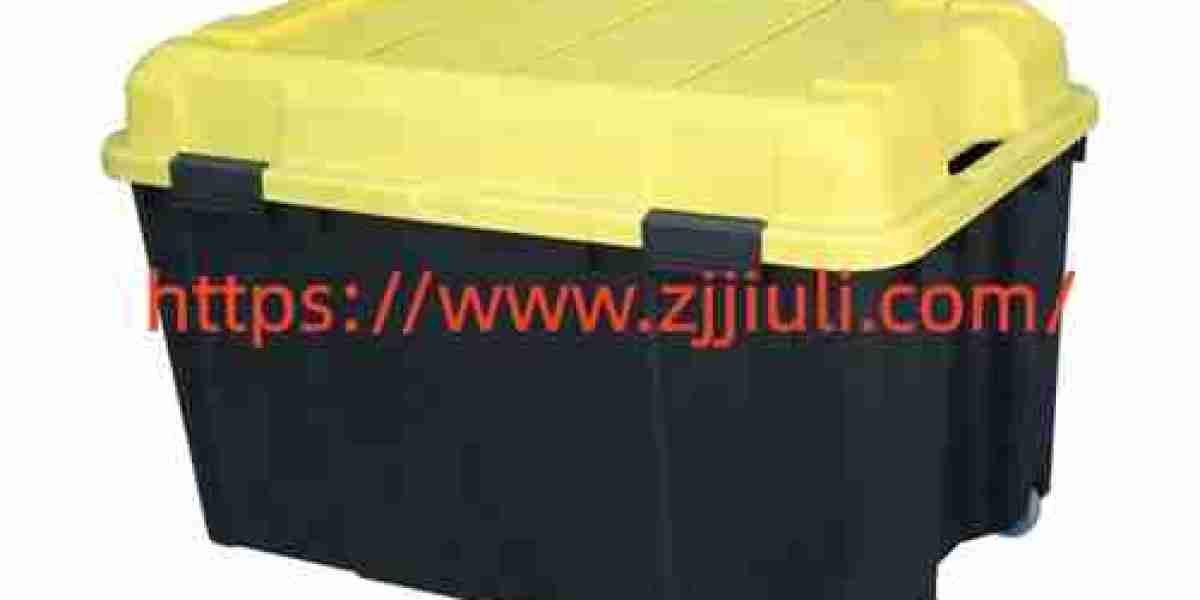

Plastic Toolbox selection begins with a clear review of daily demands in fixed workshops and changing job locations. Matching capacity to the volume of items carried prevents overcrowding while still allowing room for future additions. Handles should sit at a comfortable height and feel secure when the unit is lifted fully loaded. Latches need to close firmly yet open without excess force so that repeated access does not slow progress.
Workshop environments often involve stationary use where the unit stays near a workbench for extended periods. In these cases deeper compartments and fixed dividers help separate hand tools from fasteners and measuring devices. Clear lids or labeled sections further speed identification without the need to open every tray. Floor space considerations also matter because a unit that sits flush against a wall or under a table keeps pathways clear.
Job site conditions introduce different pressures. Portability becomes central when the same container travels in a vehicle then moves across uneven ground. Lighter overall mass reduces strain during repeated lifts while reinforced corners resist bumps that occur during loading and unloading. A low center of gravity improves stability when the unit rests on temporary surfaces. Weather exposure calls for seals that limit moisture entry and materials that do not corrode after contact with rain or humidity.
Load ratings deserve careful attention. Static capacity indicates how much weight the base can support when the unit remains still. Dynamic ratings reflect performance while the container is carried or rolled. Choosing a model whose ratings exceed typical daily loads by a modest margin provides a practical buffer against occasional heavier items. Interior layout should accommodate both long tools and small parts without forcing awkward stacking that can damage edges.
Organization systems inside the unit influence efficiency. Removable trays allow users to lift an entire group of related items to the work surface. Adjustable dividers let the same space adapt as tool collections change over time. Soft inserts protect finished surfaces on precision instruments while hard ribs maintain structural shape under pressure. Color coded sections or simple labels reduce search time especially when multiple people share the same container.
Cleaning and upkeep routines extend service life. Surfaces that wipe clean with mild soap and water simplify end of day maintenance. Avoiding abrasive pads prevents scratches that can collect dirt. Drying the interior fully before closing the lid limits residual moisture that might affect metal contents. Periodic checks of hinges and fasteners catch wear early so that small adjustments restore smooth operation.
Transport features vary by model. Some units include wheels and telescoping handles for longer distances across large sites. Others rely solely on dual side grips suited to short carries between a truck and a work zone. Stackability becomes useful when several containers travel together because aligned edges keep the stack stable during vehicle motion. Compatibility with common vehicle storage systems further streamlines packing and unpacking.
Material consistency across the body and lid contributes to reliable performance. Uniform wall thickness distributes stress evenly so that impacts do not create weak points. UV stabilizers help outdoor units retain shape after prolonged sun exposure. Chemical resistance protects against common shop fluids that might otherwise soften or stain the exterior.
A Durable Plastic Toolbox from Zhiguangplastic offers configurations that address these varied requirements through measured capacity options and practical interior arrangements. Users can evaluate sample units against their own mix of stationary and mobile tasks to confirm fit.
Evaluating total ownership involves more than initial price. Longer intervals between replacements lower long term expense. Reduced time spent reorganizing or repairing also improves daily productivity. Training team members on proper loading and handling practices protects both the container and its contents.
When specifications match the intended setting the chosen unit supports smoother workflows whether the work stays indoors or moves across multiple outdoor locations. Regular assessment of changing tool inventories ensures the same container continues to meet evolving needs.
Current product ranges and technical details appear at https://www.zjjiuli.com/ where buyers can review available sizes and features that align with workshop or site requirements.