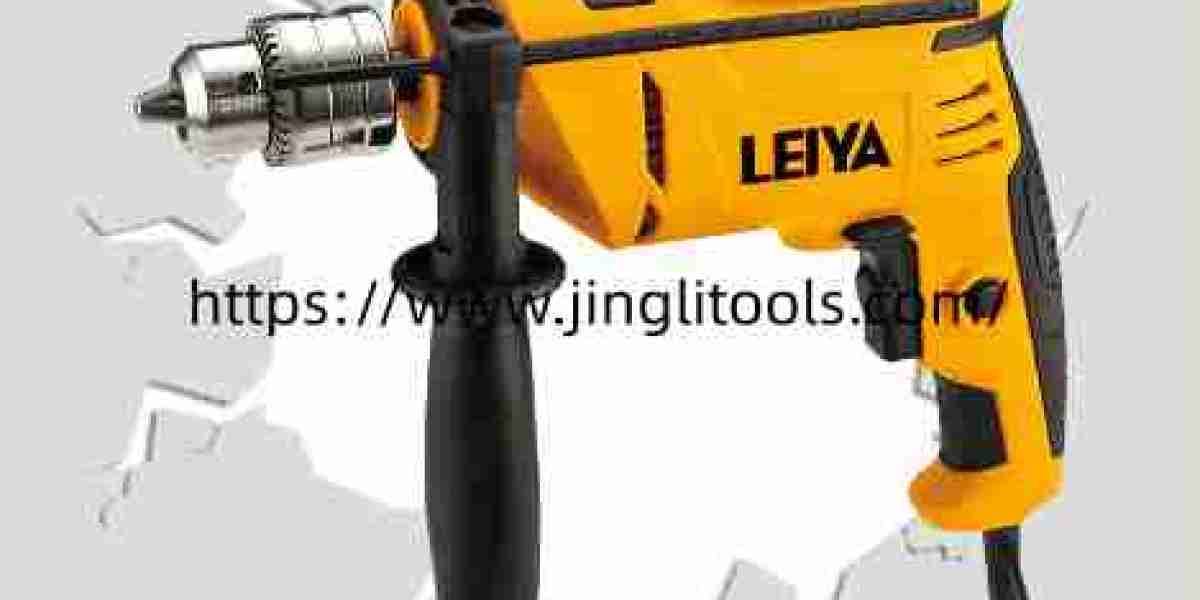

Drilling Machine Suplier selection deserves careful attention when a buyer is preparing a large order. A bulk purchase involves much more than agreeing on a unit price. Product specifications, sample quality, production arrangements, accessories, packaging, inspection, customization, delivery planning, and communication can all influence the final purchasing experience. For importers, distributors, wholesalers, and workshop businesses, checking these areas before production begins can help create a clearer purchasing plan and reduce avoidable misunderstandings.
Define the Actual Application First
Before discussing order quantities, buyers should understand how the equipment will be used.
Different workshops may process wood, metal, plastic, composite materials, and other materials. Hole diameter, material thickness, operating frequency, workspace, and working conditions can all affect product selection.
A distributor serving furniture manufacturers may have different requirements from a business supplying metalworking workshops. Identifying these differences first gives buyers a practical foundation for comparing available configurations.
The goal is to connect the product with the real application instead of selecting equipment based only on appearance or price.
Review Technical Specifications Carefully
Technical information should be checked before a large order is confirmed.
Depending on the equipment, buyers may need to review motor characteristics, speed range, chuck capacity, power source, dimensions, weight, controls, accessories, and applicable operating conditions.
Not every customer requires the same configuration. Some may need compact equipment for light tasks, while others may require a configuration designed for repeated workshop applications.
A clear specification sheet allows purchasing teams to compare models more efficiently. It can also help distributors prepare accurate information for their own customers.
Request a Sample Before Bulk Production
A sample gives buyers an opportunity to examine the actual product before committing to a larger quantity.
During sample evaluation, buyers can check the housing, grip, controls, balance, chuck operation, included accessories, packaging, labels, and overall appearance.
Testing the unit under a representative application can provide additional information about handling, operating feel, vibration, control, and suitability for the intended material.
If adjustments are needed, they can be discussed before the larger order enters production.
For distributors introducing a new product to their market, sample evaluation can also provide useful material for internal testing and customer demonstrations.
Confirm Production Arrangements
Large orders require clear production planning.
Buyers should discuss order quantities, production schedules, component preparation, assembly, inspection, packaging, and expected completion dates.
If an order contains multiple configurations, both parties should confirm how the different models will be organized during production.
This information can help distributors coordinate warehouse space and customer delivery schedules.
Clear planning is particularly useful when the buyer has fixed sales deadlines or needs to replenish existing inventory within a specific period.
Ask About Quality Inspection
Quality inspection should be discussed before production starts rather than after the shipment arrives.
Depending on the product, inspection may cover appearance, electrical functions, operating performance, accessories, packaging, labels, and other agreed specifications.
Buyers can prepare an inspection checklist based on their purchasing requirements. This creates a reference for evaluating samples and finished products.
For larger orders, clearly defined inspection expectations can also make communication easier between purchasing teams and manufacturing personnel.
The exact inspection method can vary, but the important point is that both sides understand what characteristics will be reviewed.
Check Accessories Before Ordering
Accessories can affect how customers use equipment after delivery.
Buyers should confirm exactly what is included with each model. Depending on the configuration, this may involve bits, chucks, handles, cases, batteries, chargers, or other components.
Optional accessories should also be identified separately.
For distributors, this information can help with inventory planning and product presentation. It can also prevent confusion when several configurations are included in the same shipment.
A detailed product list showing the main unit and included accessories provides a useful reference during purchasing and warehouse receiving.
Discuss Packaging and Branding
Packaging becomes particularly important when products are prepared for wholesale or retail distribution.
Buyers may require specific cartons, labels, manuals, barcodes, product stickers, protective materials, or branded packaging.
These requirements should be discussed before production begins. Buyers can provide artwork and packaging specifications for confirmation before the final arrangement is approved.
Good preparation can help distributors maintain consistent product presentation across their sales channels.
It also gives the manufacturing team clear information about how the finished products should be packed and labeled.
Consider OEM Customization
Some buyers need customized products for a particular market.
Customization may involve colors, logos, labels, packaging, manuals, accessories, or other agreed configurations.
When customization is required, buyers should clearly identify which parts need adjustment and which specifications should remain unchanged.
Sample approval can provide an additional reference before larger quantities are produced.
Early confirmation can make communication easier and reduce the possibility of unexpected changes during production.
For distributors developing their own product range, this can also help create a consistent presentation across different equipment categories.
Ask About Replacement Components
The purchasing process does not necessarily finish when the shipment reaches the warehouse.
Workshops and distributors may later need replacement components, manuals, technical information, or assistance with product-related questions.
Before placing a large order, buyers can ask how replacement requirements are handled and what documentation will be supplied.
For distributors, organized product information can make customer service more convenient. Sales and support teams can use these materials when answering routine questions after the products reach the market.
Consider Future Purchasing Needs
A bulk order may become the beginning of a longer business relationship.
If a particular configuration fits the target market, buyers may later require additional quantities, related equipment, replacement components, or customized packaging.
For this reason, it can be useful to discuss the wider product range during the initial purchasing process.
jinglitools offers equipment categories for professional and workshop applications, allowing business buyers to consider different products according to their intended markets and working requirements.
Conclusion
Checking a manufacturer before placing a bulk order gives buyers an opportunity to review product specifications, samples, production arrangements, inspection procedures, accessories, packaging, customization, and support before making a larger commitment. This preparation can help businesses organize purchasing around actual customer requirements.
For importers, wholesalers, distributors, and workshop operators, a practical evaluation should focus on the complete purchasing requirement rather than one specification or the initial price alone. Clear communication, sample approval, and agreed production details can provide useful references for both the current order and future purchases.
For more information about available equipment and product categories, visit https://www.jinglitools.com/ and review the options according to your application requirements, target market, order quantity, and customization needs.