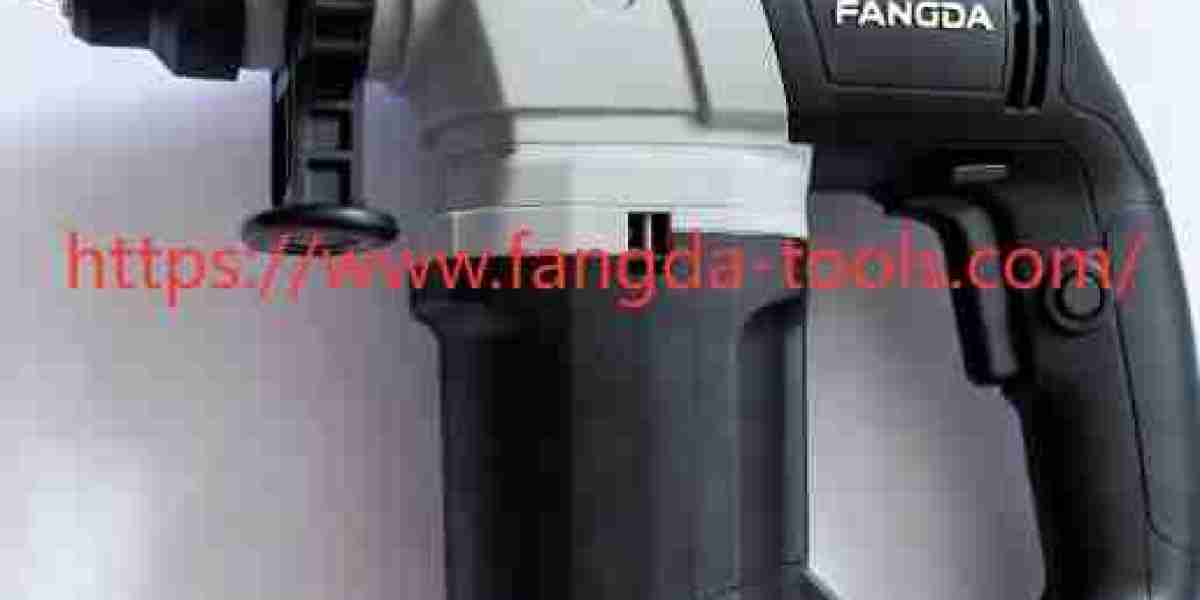

Construction, renovation, installation, and maintenance work often involves materials that require a focused drilling approach. An SDS Plus Hammer Drill from fangda-tools can support a range of masonry-related applications where equipment compatibility, controlled operation, and thoughtful preparation are important parts of the workflow.
Hard materials can create challenges that differ from ordinary drilling tasks. Brick, concrete, masonry, and similar surfaces may vary in density, structure, and condition. Before drilling begins, understanding the material and selecting suitable equipment can help create a more organized working process. This preparation allows users to consider the demands of the application rather than relying on a single approach for every project.
The drilling stage is often closely connected to the work that follows. Openings may be required for mounting components, installing fixtures, securing structural elements, or preparing routes for other project requirements. A carefully executed drilling process can help create a suitable foundation for these later operations.
Control is an important part of working with demanding surfaces. Proper positioning, stable handling, and appropriate operating practices can influence the progress of the task. Taking time to assess the drilling location and maintaining attention throughout the operation can help reduce unnecessary corrections and interruptions.
Equipment compatibility also plays a role in day-to-day productivity. Contractors and workshop users may move between different applications, materials, and project environments. Tools that are selected according to actual task requirements can help make preparation more manageable and support a smoother transition between different stages of work.
The condition of the working surface should always be considered. Older materials, reinforced areas, uneven surfaces, and changing site conditions can affect the drilling process. Evaluating these factors before starting allows users to make more informed decisions about tool selection and operating methods.
Routine care can also support continued usability. After a drilling task is completed, removing dust and debris and checking the condition of the equipment can help prepare it for future work. Proper storage and handling can further support an organized workshop or jobsite environment.
For distributors and purchasing teams, selecting drilling equipment may involve considering more than one application. Different customers may require tools for installation, repair, renovation, or construction activities. A product range that addresses varied working needs can provide greater flexibility when responding to these requirements.
Practical drilling is ultimately connected to planning. The material must be assessed, the intended opening must be considered, and the appropriate operating method should be selected before work begins. These steps can help create a process that is easier to manage from the initial preparation stage through to the completion of the project.
Every drilling task begins with a surface and a purpose. The next stage may involve fastening, fitting, mounting, or building upon the work that has already been prepared. Choosing equipment with the application in mind can help bring structure to that process.
When your next project reaches the point where preparation turns into action, take a different route into your tool search. Let the next click become part of the planning process by visiting https://www.fangda-tools.com/product/ and seeing where your upcoming application may begin.