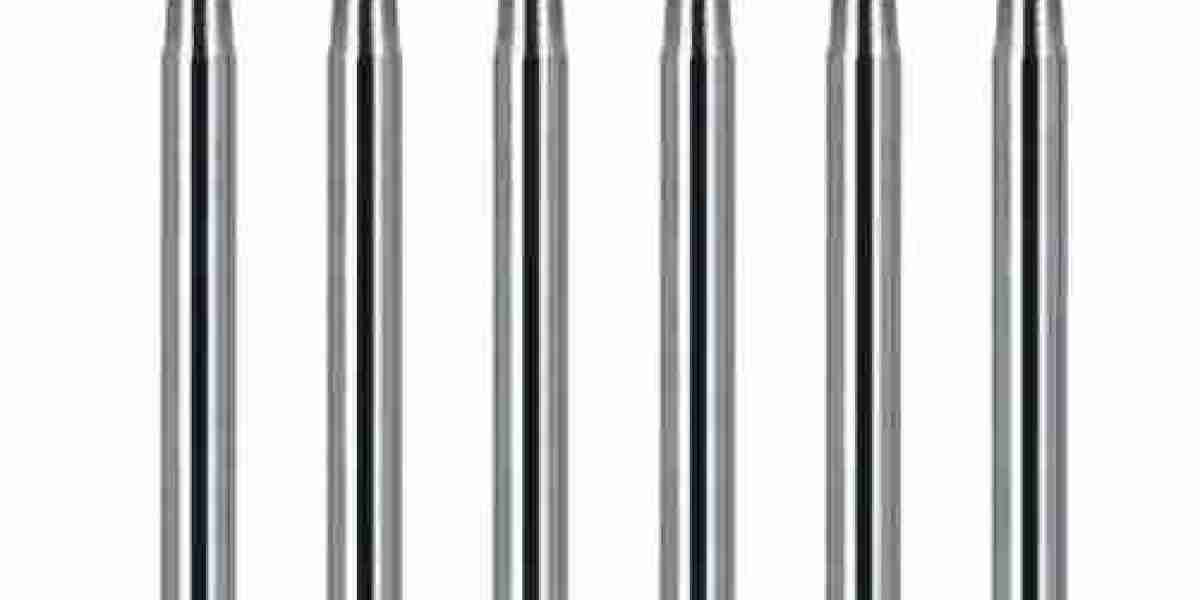

Solid Carbide Burs are cutting tools used in machining work for material removal, shaping, deburring, surface processing, and detailed finishing. Their compact cutting heads allow operators to work on specific areas of metal components that may be difficult to process with larger equipment. Different shapes, cutting patterns, and shank configurations make these products suitable for a range of workshop and industrial applications.
How These Cutting Tools Are Used
Machining work often involves several stages. A component may be cut, drilled, welded, cast, or formed before additional processing is required.
During these stages, excess material, sharp edges, rough surfaces, or uneven sections may need further attention. Cutting tools with different head profiles can be selected according to the shape and location of the area being processed.
For example, a cylindrical form may be suitable for certain straight sections, while a ball-shaped cutter can work with curved surfaces or internal contours. Tapered and pointed profiles may help reach narrow spaces and detailed transitions.
The selection should be based on the actual machining requirement rather than on appearance alone.
Supporting Material Removal
Removing unwanted material is a common part of metalworking. Weld seams, cast surfaces, drilled openings, and fabricated edges can all require additional processing.
The amount of material involved can influence which configuration is appropriate. A task involving substantial removal may require a different cutting pattern from one focused on detailed finishing.
Operators can also consider the position of the work area. Open surfaces may allow for a different tool shape than recessed corners or narrow internal sections.
Matching the product to the specific operation can help create a more organized workflow.
Processing Different Metal Materials
Industrial workshops may work with carbon steel, stainless steel, cast iron, aluminum, and other metal materials.
Each workpiece can have different machining characteristics. Material hardness, surface condition, component thickness, and the required result can all affect the selection process.
Before ordering, buyers can provide details about the material and intended operation. This information gives the manufacturer a clearer basis for discussing suitable product options.
Carbidebursfactory provides cutting products for buyers working with different machining applications and component requirements.
The Importance Of Cutter Geometry
Component geometry plays an important role in machining work. Industrial parts can contain flat surfaces, curves, holes, grooves, corners, and recessed sections.
Different cutter forms provide access to different areas. A rounded profile may suit curved contours, while a tapered configuration may be more practical for narrow sections.
Using an appropriate shape can reduce unnecessary repositioning during processing. Workshops can prepare several cutter profiles when their work involves components with varied geometries.
For customized projects, technical drawings, samples, or photographs can help explain the processing area before production arrangements are confirmed.
Deburring And Edge Processing
Burrs and sharp edges can appear after drilling, cutting, casting, or machining.
Removing these features can prepare a component for assembly, coating, handling, or further processing. The selected cutter should correspond with the size and position of the area being treated.
A small opening may require a different configuration from an external edge. Similarly, a narrow internal corner may need a profile that provides suitable access without unnecessary contact with surrounding surfaces.
Considering the complete geometry of the workpiece can help buyers make a more practical selection.
Working With Welded Components
Fabrication and welding operations can create areas where excess material or uneven transitions need to be processed.
Suitable cutting tools can be used to work on selected weld areas before the component moves to the next stage.
The required profile may depend on whether the work area is open, curved, recessed, or located between connected sections.
For workshops handling repeated fabrication projects, preparing products according to common workpiece shapes can support a more consistent tool selection process.
Equipment Compatibility Matters
Before purchasing, buyers should confirm compatibility with their existing equipment.
Relevant details can include shank dimensions, machine type, operating conditions, and the intended machining task. The selected product should correspond with the equipment requirements and applicable operating instructions.
This step can be especially useful for workshops using different machines across several production areas.
Clear communication about equipment requirements before ordering can also help manufacturers prepare suitable product arrangements.
Carbidebursfactory can discuss shank configurations, cutter geometry, packaging, quantities, and customized requirements with industrial buyers.
Applications Across Different Industries
These cutting tools can be used in machinery manufacturing, metal fabrication, automotive repair, casting operations, mold processing, maintenance work, and component finishing.
A repair workshop may use them for localized processing on an individual component. A manufacturing facility may require larger quantities for repeated operations involving similar parts.
The product requirements can therefore vary according to the production environment, workpiece material, and expected processing task.
Buyers should consider these factors when preparing specifications for a new order.
What Buyers Should Check Before Ordering
A clear purchasing discussion can include:
Workpiece material
Required machining operation
Component geometry
Preferred cutter profile
Cutting pattern requirements
Shank dimensions
Equipment compatibility
Surface processing needs
Order quantity
Packaging requirements
Organizing this information before production can make communication more direct and help both sides focus on the intended application.
Choosing Products For Practical Machining Needs
The right cutting configuration depends on how the product will be used. Workpiece material, component shape, machining conditions, equipment compatibility, and the required result should all be considered together.
Carbidebursfactory supports workshops, distributors, and industrial buyers with cutting tool options for different processing requirements. Discussing the application before ordering can help create a clearer connection between product design and practical use.
For cutting tool categories related to metalworking and machining applications, visit https://www.carbidebursfactory.com/product/