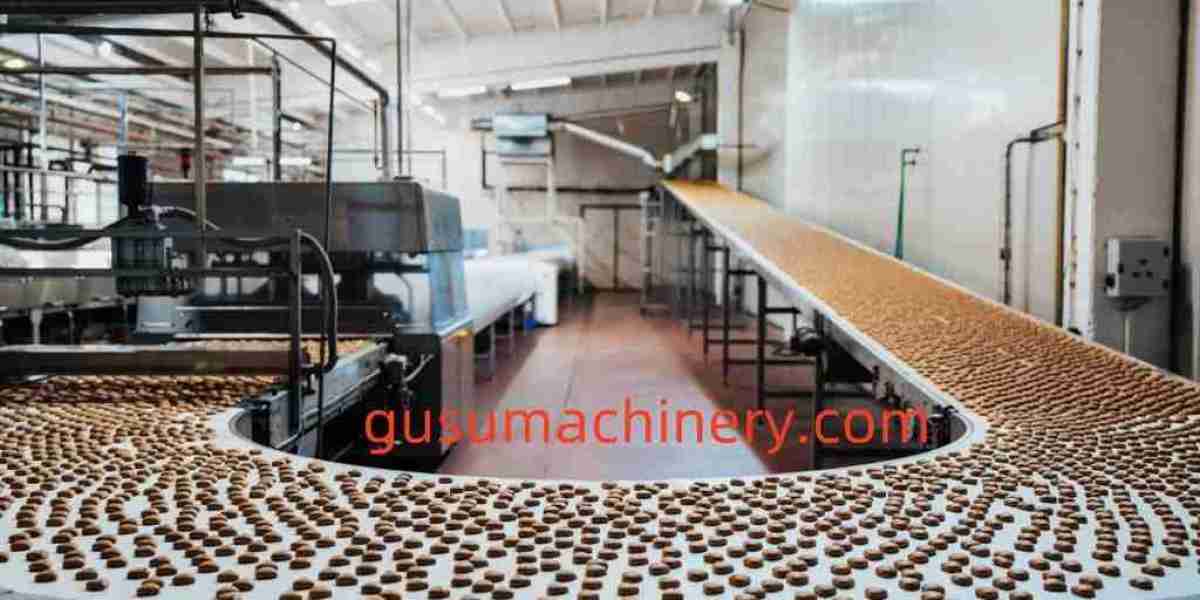

Chocolate processing involves a connected sequence of ingredient preparation, refining, flavor development, mixing, tempering, molding, and finishing, so equipment selection can influence both workflow organization and product consistency. For businesses working with a Chocolate Conche Supplier, evaluating material selection, purchasing considerations, functional engineering, user experience, and machine design can provide a more complete understanding of whether a conching solution fits the intended production environment.
Material selection is one of the foundations of food machinery development. Components that come into contact with chocolate should be designed around hygienic production, convenient cleaning, and practical long-term use. Stainless steel is commonly considered for processing areas because it offers a clean surface and is suitable for many food-processing environments. Other materials may be used for seals, insulation, protective elements, electrical components, and specialized mechanical sections according to their individual functions.
The relationship between equipment materials and internal structure is particularly important for conching systems. Chocolate changes throughout processing, so mixing elements, working surfaces, discharge areas, and related components need to function together. Engineers may consider material compatibility, surface finishing, structural organization, and cleaning access when developing the machine. This integrated approach helps connect food hygiene with practical mechanical design.
Purchasing decisions should begin with understanding where conching fits within the wider production process. Chocolate production may involve multiple stages before and after conching, so buyers can evaluate how the machine will connect with melting, refining, tempering, depositing, molding, coating, cooling, or storage operations. Looking at the full workflow can help businesses select equipment that supports a coherent production sequence rather than treating conching as an isolated function.
Supplier evaluation is equally important. Buyers can consider manufacturing experience, engineering communication, quality management, product development, customization flexibility, installation guidance, and service support. A supplier that can participate in early technical discussions may provide more useful recommendations about machine integration and workflow organization. Gusu Food Processing Machinery Suzhou Co., Ltd. develops chocolate-processing equipment and production solutions with attention to manufacturing experience, engineering development, and practical customer needs.
Functional engineering influences how easily conching equipment can be incorporated into daily production. Engineers may consider internal mixing arrangements, ingredient movement, heating concepts, discharge organization, access for cleaning, and maintenance areas. A coordinated design should support the intended process while remaining understandable to operators. Maintenance considerations are also important because production teams need practical access to areas that require routine attention.
Technology continues to influence modern chocolate machinery development. Digital design tools allow engineers to review structures, component relationships, and equipment layouts before manufacturing begins. Modern machining and assembly processes can support consistent fabrication, while inspection systems provide feedback throughout production. Control systems may also help operators manage processing stages more clearly and monitor normal machine activity.
User experience plays an important role because several groups may interact with conching equipment. Operators work with controls and processing areas, cleaning teams focus on hygiene, and maintenance personnel inspect or service components. Logical control arrangements, accessible surfaces, organized machine layouts, and straightforward operating procedures can make everyday work more manageable. Good equipment design considers these different users rather than focusing only on the machine's technical function.
Cleaning and maintenance deserve attention during the design stage. Chocolate residue can accumulate around processing surfaces and internal components, making routine cleaning essential. Accessible working areas, practical internal arrangements, and suitable surface finishing can help simplify cleaning procedures. Service-friendly construction can also make it easier for technicians to inspect components and identify potential issues during regular maintenance.
Design and appearance contribute to the overall perception of modern food-processing machinery. Clean surfaces, organized frames, balanced component placement, and professional finishing can create a more structured production environment. Visual organization can also help operators understand where different functions are located. The strongest industrial designs combine practical function with a clear and professional appearance without unnecessary decorative complexity.
Customization provides flexibility for chocolate businesses with different production concepts. Customers may need particular machine arrangements, processing combinations, interface concepts, or workflow connections depending on their products and factory layout. Flexible engineering allows manufacturers to adapt equipment structures around individual applications while keeping production practical. Early cooperation among customers, engineers, and production teams can help refine customized solutions before manufacturing begins.
Quality management connects material evaluation, design development, machining, assembly, testing, inspection, installation, and customer feedback. Consistent procedures help manufacturers maintain stable production while identifying areas for improvement. Feedback from operators and maintenance teams can also provide useful information about cleaning, access, workflow, controls, and daily usability, giving manufacturers practical direction for future product refinement.
Gusu Food Processing Machinery Suzhou Co., Ltd. continues developing chocolate processing solutions through manufacturing experience, engineering capabilities, quality-focused production, research and development, and customer-oriented cooperation. Its approach connects material selection, processing functions, operator needs, maintenance considerations, and machine design to support different chocolate production environments. More information about its products and processing solutions is available at https://www.gusumachinery.com/.