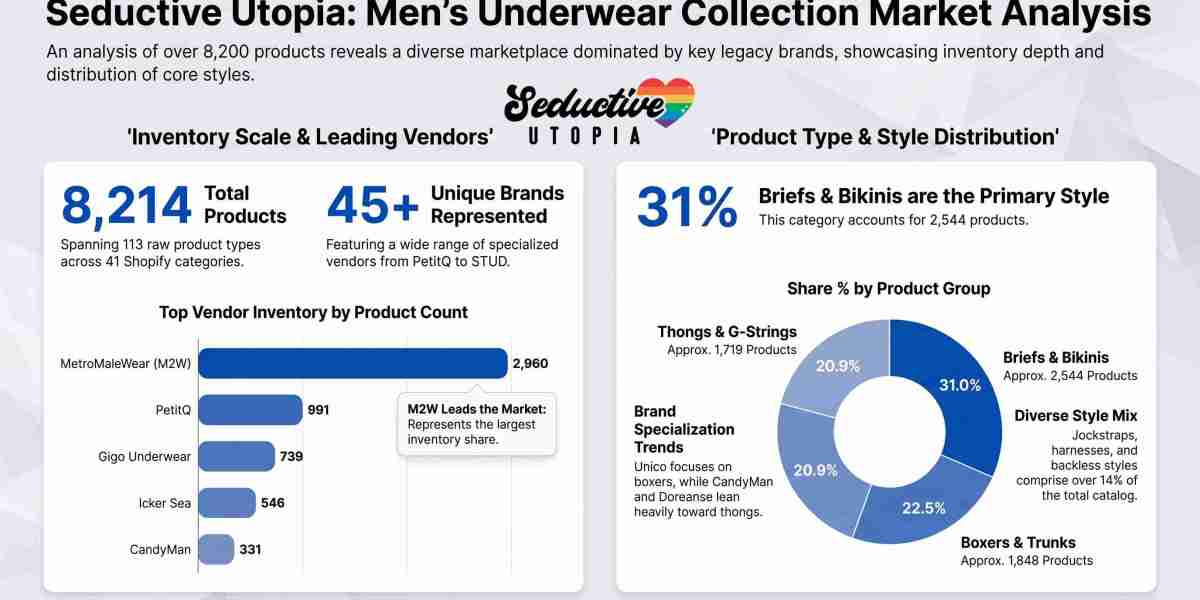

The designer bodywear sector is gaining greater attention as consumers increasingly consider quality, comfort, craftsmanship, and personal style when choosing everyday essentials. Examining designer men's innerwear market share provides a useful way to understand how premium brands are competing within a broader menswear landscape. The category is influenced by changing lifestyles, improved materials, evolving silhouettes, digital shopping habits, and a growing interest in products that combine practical performance with refined design.
Premium Innerwear Moves Beyond Basic Essentials
Designer innerwear is increasingly positioned as more than a functional necessity. Premium collections often focus on fabric quality, construction, fit, color, and distinctive design details.
Consumers may look for garments that provide a more refined experience during everyday wear. Soft fabrics, carefully finished seams, flexible waistbands, and supportive structures can distinguish premium bodywear from basic alternatives. These details can influence purchasing decisions even when the garment is not visible beneath outer clothing.
Comfort Drives Consumer Interest
Comfort remains one of the most important factors affecting innerwear choices. Modern consumers expect underwear to support movement without causing unnecessary pressure or irritation.
Designer labels are responding through fabric innovation and improved construction. Cotton remains a familiar choice, while modal, silk blends, performance fabrics, and other materials can provide different combinations of softness, stretch, and breathability.
Changing Silhouettes Expand the Market
The market is no longer centered around a single traditional underwear shape. Briefs, trunks, boxer briefs, loose boxers, and performance-oriented designs appeal to different preferences.
Shorter silhouettes may work well beneath fitted clothing, while longer styles can provide additional coverage and support. This variety allows designer brands to address multiple consumer groups rather than relying on one standardized approach.
Brand Identity Influences Purchasing Decisions
Designer innerwear often carries a strong visual identity. Waistband treatments, logos, color palettes, patterns, and packaging can all contribute to how consumers perceive a collection.
However, contemporary premium design does not always depend on prominent branding. Many consumers are attracted to subtle details, sophisticated colors, and refined construction. This creates opportunities for brands with different approaches to establish distinctive identities.
Digital Retail Changes Market Access
Online shopping has expanded access to designer bodywear. Consumers can now discover collections from different regions, compare materials and styles, read product information, and explore editorial content before purchasing.
Digital platforms have also allowed smaller labels to reach specialized audiences without depending entirely on traditional retail networks. This can increase competition while giving consumers access to a wider range of designs.
Personal Expression Shapes Demand
Modern menswear is increasingly connected with individuality. Consumers may select underwear according to their preferred colors, silhouettes, materials, and overall aesthetic.
This shift creates space for designer brands to develop collections that go beyond traditional masculine styling. Contemporary bodywear can include expressive colors, unusual textures, modern proportions, and understated details while remaining practical for everyday use.
Sustainability Becomes More Relevant
Sustainability is becoming an important consideration within premium fashion. Consumers may evaluate fabric sourcing, durability, manufacturing practices, and the expected lifespan of a garment.
Designer brands can respond by emphasizing durable construction and responsible material choices. Longer-lasting products may also support a more deliberate approach to wardrobe building, reducing the need for frequent replacement.
The Role of Product Quality
Quality is particularly important in innerwear because these garments experience repeated washing and frequent movement. Fabric recovery, seam strength, waistband durability, and shape retention can all affect long-term satisfaction.
A premium price may therefore be more meaningful when it reflects measurable improvements in construction and performance. Consumers are increasingly able to compare these details through product descriptions, reviews, and digital fashion discussions.
Competition Encourages Innovation
As more brands enter the designer bodywear space, differentiation becomes increasingly important. Companies may compete through material innovation, distinctive silhouettes, limited collections, sustainability initiatives, or specialized performance features.
This competition can benefit consumers by encouraging better design and greater variety. It also means that established labels must continue evolving rather than relying only on historical reputation.
Building a Strong Designer Innerwear Collection
Consumers do not necessarily need a large number of premium garments. A carefully selected collection can combine dependable everyday pieces with distinctive styles for variety.
Useful considerations include:
Selecting silhouettes that suit individual clothing preferences.
Prioritizing comfortable materials and durable construction.
This approach can make premium bodywear feel purposeful rather than excessive.
Conclusion
Designer men's innerwear market share is influenced by a combination of comfort, quality, changing silhouettes, brand identity, digital retail, sustainability, and personal expression. As consumers become more selective about what they wear and how those garments perform, designer innerwear has opportunities to occupy a more meaningful position within modern menswear. The future of the category will likely depend on brands delivering genuine value through thoughtful design, reliable construction, and a clear understanding of contemporary lifestyles.