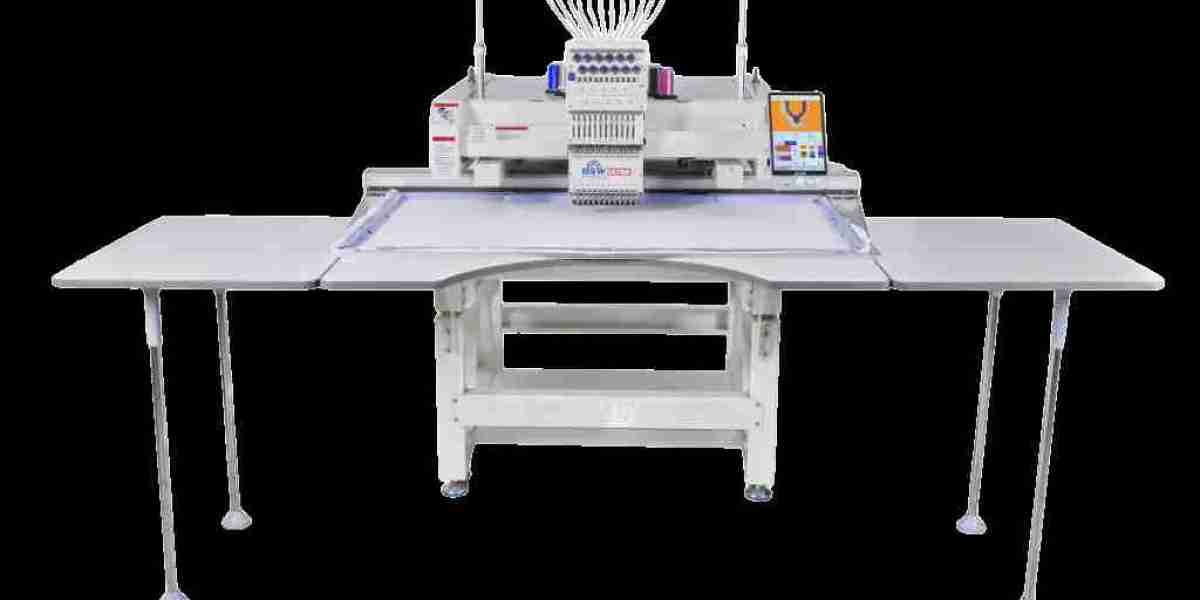

Fashion manufacturing has always balanced two competing demands: creative, detailed design work, and the practical need for speed and consistency at scale. Embroidery machines, particularly computerized single and multi-head systems, have become one of the quiet but significant forces reshaping how that balance is achieved across India's textile and garment sector.
From artisan-dependent to technology-supported production. Traditionally, intricate embroidery work depended almost entirely on skilled artisans working by hand a process that's beautiful but difficult to scale predictably. Computerized embroidery machines haven't replaced that artistry; they've extended it, allowing digitized versions of traditional and modern designs to be reproduced consistently at a pace manual work alone couldn't sustainably match for larger production runs.
Enabling small manufacturers to compete with larger players. One of the more significant shifts has been accessibility. As embroidery machines, including relatively affordable single head embroidery machine options, have become more widely available, smaller manufacturers and independent embropreneurs have gained the ability to produce embroidery work that once required large-scale factory setups, narrowing the gap between small businesses and bigger manufacturing units.
Supporting faster fashion cycles: Fashion trends move quickly, and manufacturers increasingly need to turn around embroidered garments faster than traditional hand-work timelines allow. Computerized machines significantly compress production time for detailed embroidery work, helping manufacturers keep pace with shorter design-to-market cycles without compromising on design complexity.
Improving consistency for brand reputation: For fashion brands working with embroidered garments, consistency across production runs is critical to maintaining quality perception. Computerized embroidery reduces the natural variation of hand-stitched work, helping manufacturers deliver uniform quality across large order volumes, something increasingly important as brands scale into wider retail and export markets.
Opening new design possibilities: Digitized embroidery also enables design experimentation that would be time-prohibitive by hand testing variations, combining traditional motifs with modern layouts, or adjusting scale and placement digitally before committing to production. This has quietly expanded the creative range available to fashion manufacturers working within realistic time and cost constraints.
Supporting India's textile export ambitions: As Indian textile and garment manufacturers compete in global export markets, consistent quality and reliable turnaround times matter as much as design appeal. The growing adoption of computerized embroidery machines across manufacturing hubs is helping Indian producers meet the quality and delivery expectations of international buyers more predictably than manual-only production allowed.
A shift, not a replacement, for traditional craftsmanship. It's worth noting that this shift hasn't eliminated hand embroidery; high-end, heavily customized, or heritage craftsmanship still commands a market of its own. Instead, computerized machines have primarily transformed the mid-to-large volume segment of the industry, where consistency, speed, and cost efficiency matter most.
As more manufacturers, from large factories to independent single-machine entrepreneurs, adopt this technology, embroidery machines are likely to remain one of the quieter but genuinely transformative forces shaping how Indian fashion manufacturing scales in the years ahead.