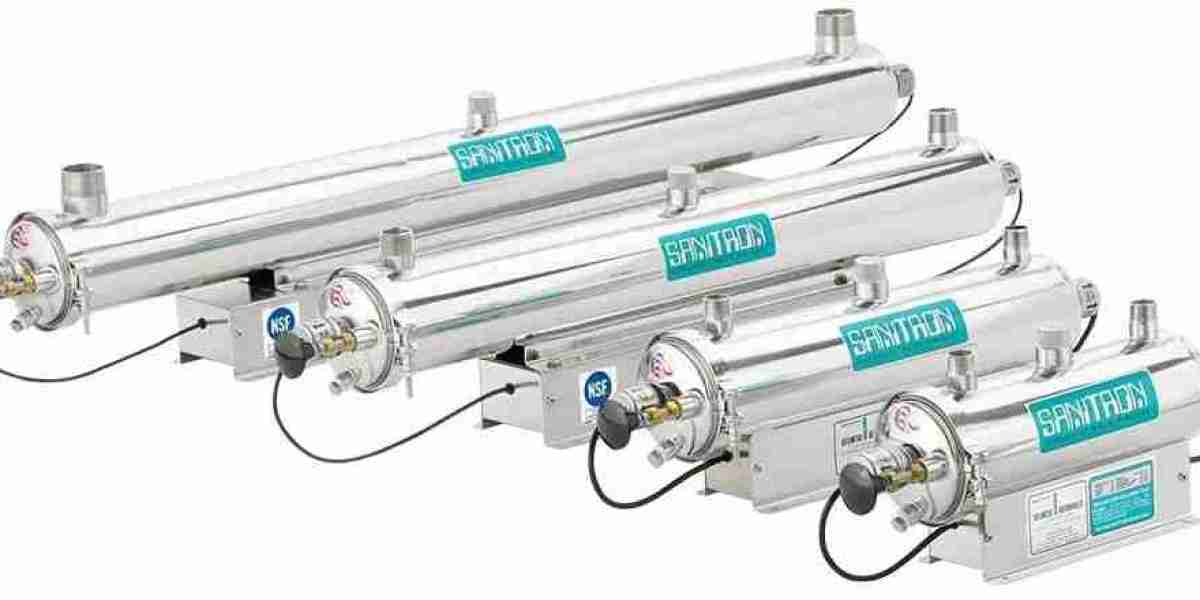

An ultraviolet sterilization system uses UV-C light to target microorganisms in water as they pass through the treatment chamber. When properly designed and installed, this technology can help reduce bacteria, viruses, and other microorganisms without adding chemicals to the water. For many applications, this makes UV treatment a practical and environmentally conscious choice.
What Is Ultraviolet Water Sterilization?
Ultraviolet water sterilization is a physical treatment process that uses ultraviolet light, particularly UV-C wavelengths, to inactivate microorganisms. Water flows through a chamber containing a UV lamp. As microorganisms are exposed to the appropriate UV intensity and dose, the energy disrupts their genetic material, preventing them from reproducing and causing infection.
Unlike chemical disinfection, UV treatment does not rely on adding substances such as chlorine to the water. It also does not intentionally change the taste, odour, or chemical composition of treated water.
The effectiveness of a system depends on factors such as UV dose, flow rate, water clarity, lamp performance, and system design. This is why selecting the appropriate equipment for a specific application is important.
1. Helps Improve Microbial Safety
One of the primary advantages of UV treatment is its ability to help control microorganisms in water. Depending on the system and application, UV technology can target a wide range of bacteria, viruses, and other microorganisms.
This can be particularly valuable where water hygiene is a priority. Residential drinking water systems, commercial facilities, hospitality businesses, food-processing environments, and industrial operations can all benefit from reliable microbial treatment.
UV treatment provides an additional barrier against microbiological contamination, helping businesses and property owners maintain a higher standard of water hygiene.
2. Chemical-Free Disinfection
A major benefit of ultraviolet technology is that it disinfects water without requiring chemical additives. This can be advantageous for applications where maintaining the natural characteristics of water is important.
Because UV treatment does not depend on chlorine or similar disinfectants, there is no need to manage chemical storage for the UV process itself. It can also help avoid some concerns associated with chemical handling and dosing.
For facilities seeking a cleaner approach to microbial control, UV technology can be an attractive option.
3. Maintains Water Taste and Odour
Water treatment methods can sometimes affect the sensory characteristics of water. UV treatment works differently because it uses light rather than chemical additives.
When properly applied, UV disinfection does not introduce a chemical taste or odour into the treated water. This makes it suitable for applications where the quality and natural characteristics of water are important.
For drinking water and hospitality applications, maintaining pleasant-tasting water can be an important part of the overall customer experience.
4. Fast and Efficient Treatment
Ultraviolet disinfection works as water passes through the treatment chamber, allowing the process to occur rapidly. There is generally no need for long chemical contact periods to achieve the UV treatment effect.
This makes UV systems suitable for applications requiring continuous or on-demand water treatment. Once correctly installed and operating within its designed parameters, the system can provide consistent treatment as water flows through it.
However, performance depends heavily on selecting equipment that matches the required flow rate and water conditions. An undersized system may not deliver the required UV dose, while an appropriately designed system can provide dependable treatment.
5. Supports Environmentally Responsible Water Treatment
Reducing reliance on treatment chemicals can contribute to a more environmentally conscious approach to water management. UV systems use electrical energy to generate UV-C light rather than adding disinfectant chemicals directly to the water.
There is also no chemical residue intentionally left behind by the UV process. For organisations reviewing their environmental practices, this can make UV technology an appealing component of a broader water-treatment strategy.
The overall environmental impact will still depend on factors such as electricity consumption, lamp efficiency, equipment lifespan, and maintenance practices.
6. Useful Across Different Applications
Ultraviolet technology is versatile and can be incorporated into many water-treatment environments. Depending on system specifications, applications may include drinking water, rainwater treatment, commercial water supplies, food and beverage processing, aquaculture, pools, and industrial water systems.
Each application has different water-quality requirements and operating conditions. Factors such as flow rate, turbidity, transmittance, and required microbial reduction should be considered before choosing a system.
A properly designed UV solution can therefore be tailored to the needs of the specific installation rather than relying on a one-size-fits-all approach.
7. Can Complement Other Water Treatment Methods
UV treatment does not necessarily have to operate as a standalone solution. In many systems, it works alongside filtration, sediment removal, activated carbon, or other water-treatment technologies.
Pre-filtration can be particularly important because suspended particles and cloudy water can interfere with UV transmission. Removing these contaminants can allow UV light to reach microorganisms more effectively.
A multi-stage treatment system can therefore address different aspects of water quality, with filtration helping improve clarity and UV treatment providing microbial control.
8. Relatively Simple Maintenance
UV systems are generally straightforward to maintain when installed correctly. Routine maintenance commonly includes monitoring lamp performance, cleaning the quartz sleeve, replacing UV lamps according to the manufacturer's recommendations, and checking system components.
Regular maintenance is important because a lamp may continue to produce visible light even when its germicidal performance has declined. Quartz sleeve fouling can also reduce the amount of UV energy reaching the water.
Following a planned maintenance schedule helps ensure the system continues operating as intended.
Choosing the Right UV System
Selecting the right UV equipment requires more than simply choosing a lamp based on pipe size. The system should be matched to the application's flow rate, water characteristics, required UV dose, and treatment objectives.
Professional guidance can help determine the appropriate configuration and ensure the equipment is integrated correctly into the existing water-treatment system. Businesses should also consider monitoring features, alarm systems, replacement components, installation requirements, and ongoing servicing.
Companies such as Ultra Violet Products can provide expertise in UV-based water-treatment solutions, helping customers evaluate suitable equipment for their particular requirements.
Why Proper Installation Matters
Even high-quality UV equipment may not perform effectively if it is incorrectly sized or installed. Flow restrictions, poor positioning, inadequate pre-filtration, insufficient UV dose, or improper maintenance can all affect treatment performance.
For this reason, system design should take the complete water-treatment setup into account. Professional installation and commissioning can help ensure the equipment operates within its intended specifications.
It is also important to monitor system performance over time rather than treating installation as the final step. Regular inspections and timely component replacement contribute to reliable long-term operation.
The Role of UV in Modern Water Treatment
As businesses and households continue to look for reliable ways to improve water quality, ultraviolet technology has become an increasingly useful treatment option. Its combination of chemical-free microbial control, fast treatment, and compatibility with other purification methods makes it suitable for a broad range of applications.
UV technology is not a replacement for every form of water treatment. Instead, it can be an important part of a properly designed treatment strategy. The best results come from considering the complete water system, including source-water quality, filtration, flow requirements, maintenance, and the desired treatment outcome.
Ultimately, effective water treatment is about creating a system that consistently meets the needs of the application. With the right design, equipment, and maintenance, an ultra-violet sterilizer can provide a practical and dependable solution for improving water hygiene, supporting safety, and maintaining overall water quality.