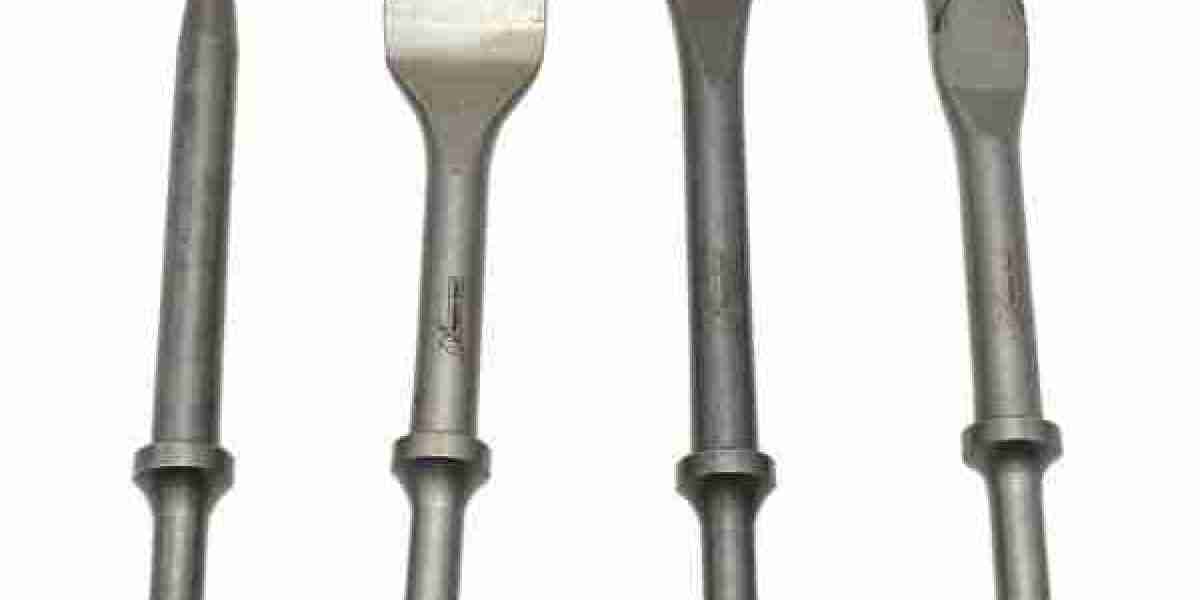

In workshops where cutting, shaping, fitting, and material removal are part of daily operations, the Steel Chisel remains a practical hand tool for a wide range of tasks, and fangda-tools provides tooling solutions designed to support different working environments and application requirements. From routine maintenance to fabrication projects, a carefully selected chisel can help users handle detailed material processing with greater control and flexibility.
Hand tools continue to hold an important place in modern industry. Although powered equipment is widely used for many operations, certain tasks still require direct control and a straightforward approach. Removing unwanted material, separating components, adjusting workpieces, or preparing surfaces may call for a tool that allows the operator to respond to the specific condition of the job.
Material selection is an important consideration when choosing a chisel. The working edge must withstand repeated contact while maintaining practical cutting capability under appropriate operating conditions. At the same time, the body of the tool needs suitable toughness to support regular use. A balanced manufacturing approach can contribute to a tool that fits the demands of workshop, maintenance, and fabrication applications.
Tool design also influences handling. The shape and structure of a chisel can affect how force is transferred from the striking surface to the working edge. A design suited to the intended application can help users position the tool with greater stability and manage cutting or splitting tasks more effectively. Different jobs may require different edge forms, making it useful for users to consider the material, working space, and desired result before selecting a suitable option.
Proper use is closely connected with tool performance. Before beginning work, operators should secure the workpiece and check that the surrounding area provides sufficient working space. Applying controlled force can help reduce unnecessary impact on both the tool and the material. The direction of the cutting action should also be considered carefully, particularly when working near finished surfaces or components that require protection.
Regular inspection supports orderly tool management. A worn, damaged, or deformed working edge may affect handling and processing results. Checking the tool before use allows operators to identify visible changes and determine whether maintenance or replacement is appropriate. Keeping hand tools clean and stored in suitable conditions can also support their continued readiness for future projects.
For industrial buyers and distributors, a hand tool is often evaluated as part of a wider product range rather than as an isolated item. Consistency in manufacturing, product selection, communication, and supply arrangements can all influence purchasing decisions. Customers may seek tooling partners capable of supporting different applications while responding to changing market and project requirements.
Versatility is another practical consideration. Workshops frequently move between maintenance tasks, fabrication work, repair operations, and material preparation. A chisel designed for relevant applications can become part of a flexible tool collection, allowing users to select the appropriate working method according to the task at hand.
Choosing the right hand tool begins with understanding the job rather than relying on a single general standard. The type of material, the nature of the task, the working environment, and the operator's handling requirements should all be considered. When selection and use are aligned with practical needs, a simple tool can play a meaningful role in an efficient workflow.
Every workshop project begins with a material, a task, and a tool waiting to be put to work. If you are ready to add another source of practical tooling ideas to that process, step beyond the workbench and visit https://www.fangda-tools.com/product/ . Your next project may start with the tool choices waiting there.