
UV treatment uses ultraviolet light to help control harmful microorganisms in water without adding chemicals. It has become a popular option for people looking for an efficient and environmentally friendly approach to water purification.
What Is UV Water Treatment?
UV water treatment is a purification process that uses ultraviolet light to deactivate microorganisms such as bacteria, viruses, and other pathogens.
During the treatment process, water passes through a chamber containing a UV lamp. The ultraviolet light affects the microorganisms as they pass through, preventing them from reproducing and reducing their ability to cause illness.
Unlike chemical disinfection, UV treatment does not add substances such as chlorine to the water. This makes it an appealing choice for applications where maintaining the natural taste and quality of water is important.
How Does UV Treatment Work?
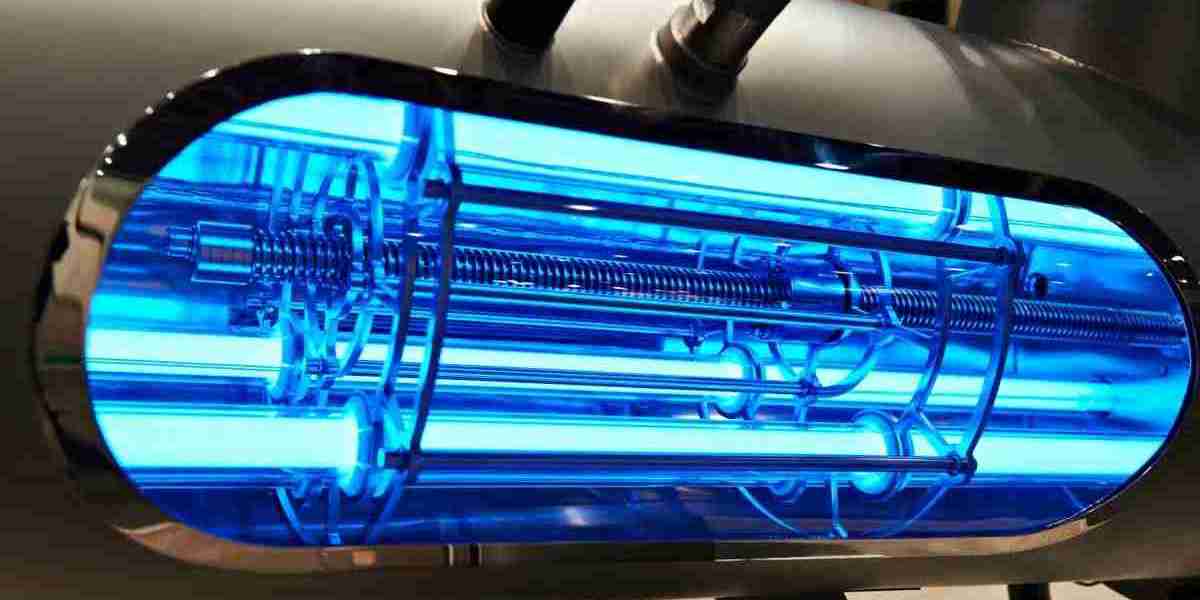
A UV water purification system generally consists of a UV lamp, protective quartz sleeve, chamber, and control system.
When water enters the system, it flows through the UV chamber. The lamp produces ultraviolet light at a wavelength that is effective against many microorganisms. As the organisms are exposed to the UV light, their genetic material is damaged, preventing them from multiplying.
The treated water then continues through the system and can be used for drinking, cleaning, or other purposes depending on the specific application.
Benefits of UV Water Purification
Chemical-Free Disinfection
One of the main advantages of UV treatment is that it does not require chemical additives. This can help maintain the natural taste and odour of water while reducing dependence on chemical disinfectants.
Effective Against Many Microorganisms
UV systems can help control a wide range of microorganisms, including many bacteria and viruses. The effectiveness depends on factors such as UV intensity, exposure time, water quality, and system design.
Environmentally Friendly
Because UV treatment does not rely on chemical disinfectants, it can be a more environmentally conscious purification option. There are also no chemical residues left behind in the treated water.
Fast Treatment Process
UV treatment works as water passes through the system, allowing continuous disinfection without requiring long holding or contact times.
Low Maintenance
Once properly installed, UV systems generally require relatively little maintenance. However, UV lamps need to be replaced periodically, and the quartz sleeve should be inspected and cleaned to maintain effective light transmission.
Where Is UV Treatment Used?
UV water purification is suitable for a variety of applications. It is commonly used in residential water systems, commercial facilities, food and beverage operations, hospitality businesses, and some industrial processes.
It can be particularly useful where water needs additional microbiological protection without changing its taste or introducing chemicals.
However, UV treatment is primarily a disinfection method rather than a complete filtration system. It does not remove sediment, dissolved chemicals, heavy metals, or other physical contaminants. For this reason, UV systems are often combined with filtration or other purification technologies.
Why Water Quality Matters
The effectiveness of any UV system depends heavily on the quality of the water entering the treatment chamber. Cloudy or highly turbid water can interfere with UV light penetration and reduce the system's effectiveness.
Pre-filtration may therefore be necessary to remove particles and improve water clarity before the water reaches the UV lamp. A properly designed system should take the source water and its specific contaminants into account.
Maintaining a UV Water Treatment System
Regular maintenance is important to keep a UV system operating properly. The UV lamp should be replaced according to the manufacturer's recommendations, even if it still appears to be working.
The quartz sleeve surrounding the lamp should also be kept clean. Mineral deposits or other buildup can block UV light and reduce the effectiveness of treatment.
Some modern systems include alarms or monitoring features that alert users when the lamp needs attention or when the system is not operating correctly.
Choosing the Right UV System
When selecting a UV purification system, consider the flow rate, water source, water quality, installation requirements, and intended use. Choosing a system that is too small for the required flow rate may result in insufficient UV exposure.
Professional assessment can help determine whether UV treatment is appropriate and whether additional filtration should be included.
The Future of Modern Water Purification
As water purification technology continues to develop, UV treatment remains an important part of modern disinfection strategies. Its chemical-free operation, quick treatment process, and ability to control many microorganisms make it a practical option for many applications.
For homeowners and businesses seeking dependable water disinfection, ultraviolet treatment can be an effective solution when the system is correctly selected, installed, and maintained.