
A facelift is a cosmetic procedure designed to address visible signs of aging by improving sagging skin and restoring a more refreshed facial contour. Today, Facelift Surgery in Riyadh includes different surgical approaches, allowing treatment to be tailored to a person’s facial structure, skin condition, and aesthetic goals.
People exploring facelift in saudi arabia often want to understand which procedure may be suitable for their specific concerns. Facelift techniques can differ in their treatment areas, incision patterns, and degree of correction. Understanding these options can help individuals make informed decisions when discussing their goals during a professional consultation.
Understanding the Main Types of Facelift Procedures
Traditional Facelift
A traditional facelift is a comprehensive surgical approach that can address moderate to advanced signs of facial aging. It generally focuses on sagging skin around the cheeks, jawline, and lower face. During the procedure, excess skin may be repositioned or removed while deeper facial tissues are adjusted to create a smoother and more defined appearance.
This approach may be considered by individuals experiencing significant skin laxity and loss of facial definition. Because it provides broader correction, the treatment can address several aging concerns within the same procedure.
Mini Facelift
A mini facelift is a less extensive facelift technique that typically targets mild to moderate sagging, particularly around the lower face and jawline. It generally involves smaller incisions and a more limited treatment area compared with a traditional facelift.
This option may appeal to individuals who have early signs of facial aging and want improvement without undergoing a more extensive facial procedure. Suitability depends on factors such as skin elasticity, facial structure, and the degree of sagging.
SMAS Facelift
The SMAS facelift focuses on the superficial musculoaponeurotic system, a layer of connective tissue beneath the skin. Instead of concentrating only on the surface skin, this technique addresses deeper facial structures to improve the overall contour.
By working with underlying tissues, a SMAS facelift may help create a more structured and natural-looking facial appearance. It is often considered when deeper tissue laxity contributes significantly to changes in facial definition.
Deep Plane Facelift
A deep plane facelift works beneath certain superficial facial layers to reposition deeper tissues as a unified structure. Rather than relying primarily on tightening the skin, this technique focuses on restoring the position of facial tissues that have shifted with age.
This approach can be particularly relevant for individuals experiencing noticeable cheek descent, nasolabial folds, and lower facial laxity. The exact technique used depends on individual anatomy and the desired outcome.
How Is the Right Facelift Technique Selected?
Assessing Skin Laxity and Facial Structure
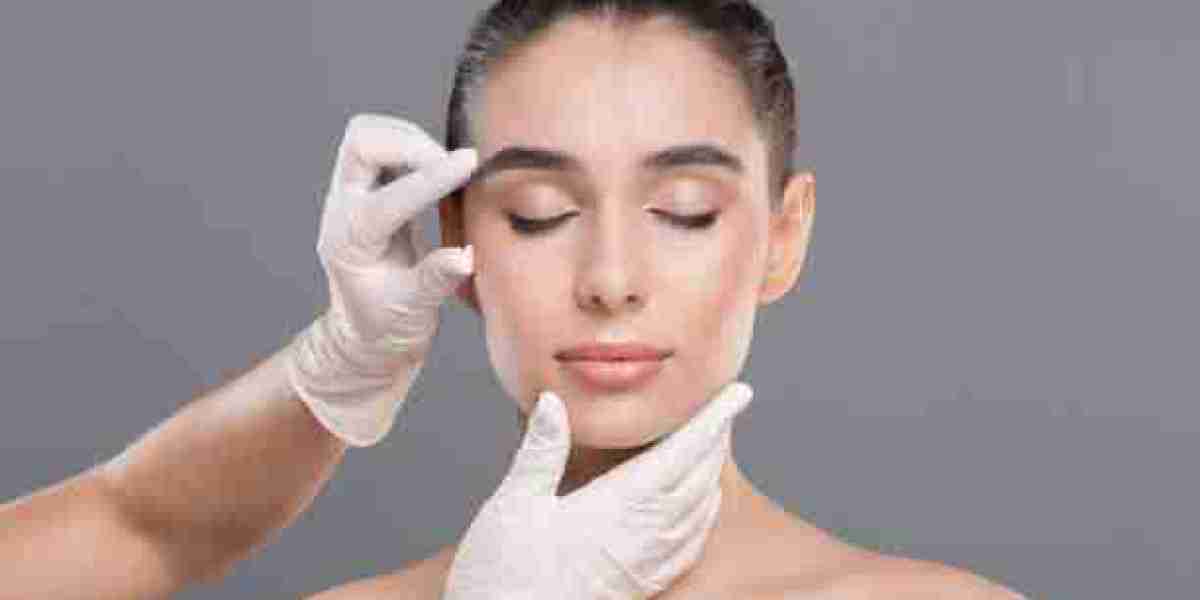
The appropriate facelift approach depends on the extent and location of facial aging. A qualified specialist typically evaluates skin elasticity, tissue laxity, facial proportions, and areas requiring correction before recommending a technique.
Considering Individual Aesthetic Goals
Every person has different expectations regarding facial rejuvenation. Some may primarily want a sharper jawline, while others may be concerned about sagging cheeks or changes around the lower face. A personalized assessment helps determine which approach best aligns with these concerns.
What Can a Facelift Address?
A facelift can help improve several visible signs of facial aging, including sagging skin, reduced jawline definition, loose tissue around the lower face, and changes in cheek contours. However, it is not designed to address every facial concern. Procedures targeting the forehead, eyelids, or skin texture may require different approaches depending on the individual's needs.
Consultation and Personalized Planning
Choosing a facelift procedure should begin with a professional consultation rather than relying solely on general information. During an assessment, the facial structure, skin condition, medical history, and desired results can be discussed. This allows the treatment plan to be developed around the individual's specific needs while maintaining realistic expectations.
Frequently Asked Questions
What is the difference between a traditional and mini facelift?
A traditional facelift generally provides broader correction for more noticeable facial laxity, while a mini facelift is typically designed for milder sagging and a more limited treatment area.
Which areas can a facelift improve?
A facelift commonly focuses on the cheeks, lower face, jawline, and areas affected by sagging skin. The exact treatment area varies according to the selected technique.
Is a deep plane facelift suitable for everyone?
No. Suitability depends on facial anatomy, tissue laxity, skin condition, medical history, and individual goals. A professional evaluation is necessary to determine whether this technique is appropriate.
How do I know which facelift technique is right for me?
A specialist can assess your facial structure, degree of aging, skin elasticity, and aesthetic objectives before recommending an appropriate approach.
Can facelift procedures produce natural-looking results?
When appropriately planned and performed, facelift techniques aim to restore facial contours while maintaining natural proportions rather than creating an overly tightened appearance.
Begin Your Facial Rejuvenation Consultation
If you are considering facial rejuvenation and want to understand which facelift approach may suit your concerns, Enfield Royal Clinic can provide a professional consultation focused on your individual facial characteristics and aesthetic goals. A personalized assessment can help you understand the available options and make a confident, informed decision about your treatment journey.