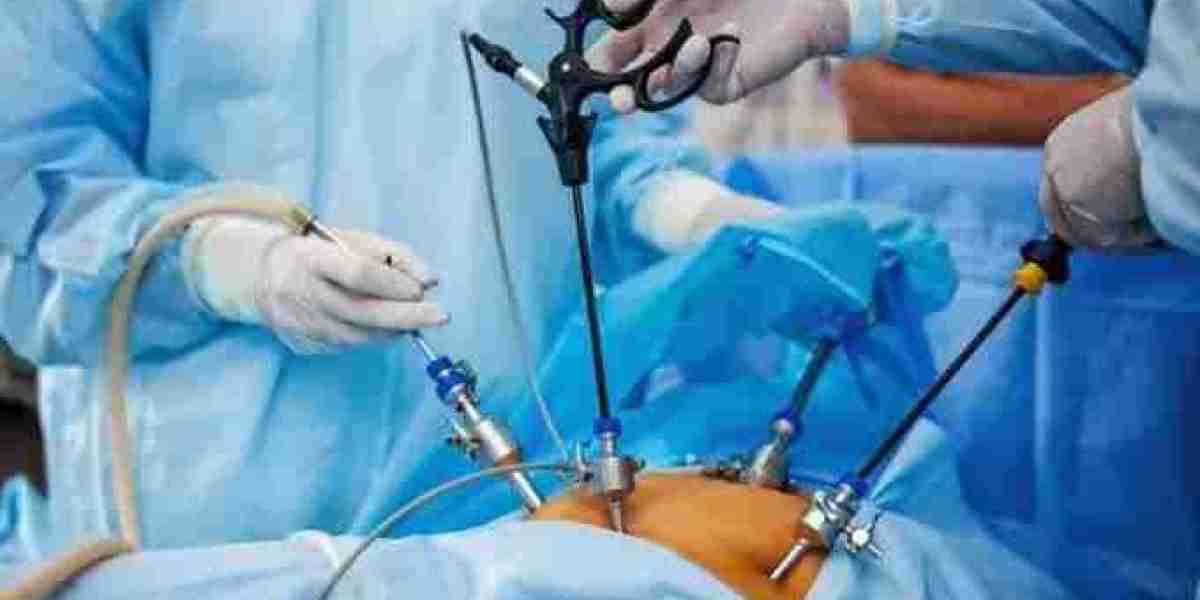

Preparing for Laparoscopic Surgery in Islamabad starts with understanding the procedure, following your surgeon’s instructions, and making practical arrangements for recovery. Laparoscopic surgery is a minimally invasive technique that uses small incisions, a camera, and specialized surgical instruments. Compared with traditional open surgery, it may involve smaller wounds and a potentially shorter recovery period, depending on the procedure and individual health factors.
Understand Your Laparoscopic Procedure
Before surgery, your surgeon will explain why laparoscopic surgery is recommended and what the procedure involves. Laparoscopy may be used for several conditions, including gallbladder problems, hernias, appendicitis, gynecological conditions, and certain gastrointestinal disorders.
Ask your surgeon about the type of laparoscopic procedure you will undergo, expected recovery time, anesthesia, possible risks, and post-operative restrictions. Understanding these details can help you feel more prepared and make it easier to follow your recovery plan.
Attend Your Pre-Surgery Consultation
A pre-operative consultation is an important part of preparing for laparoscopic surgery. Your surgeon may review your medical history, previous surgeries, allergies, current medications, and existing health conditions.
You may also need blood tests, imaging studies, an ECG, or other investigations depending on your age, medical history, and the type of surgery planned. Bring your previous medical reports and a list of medications and supplements you currently take.
Do not stop prescription medicines on your own. Your surgeon or anesthetist will tell you if any medication needs to be temporarily adjusted before surgery.
Follow Fasting Instructions
Your healthcare team will provide specific instructions about eating and drinking before surgery. Fasting is generally required before anesthesia to reduce the risk of complications during the procedure.
Follow the instructions regarding when to stop solid foods, milk, clear liquids, and other drinks. If you accidentally eat or drink outside the recommended period, inform your medical team rather than keeping it to yourself.
Prepare Your Body for Surgery
Maintaining healthy habits before surgery can support your overall recovery. Eat balanced meals containing adequate protein, vegetables, fruits, and other nutrient-rich foods unless your doctor has recommended a specific diet.
Stay appropriately hydrated before the fasting period begins. Avoid smoking and follow your healthcare provider's advice regarding alcohol, as these can affect healing and anesthesia.
If you have an infection, fever, persistent cough, or another new health problem before your scheduled surgery, notify your surgical team.
Arrange Transportation and Support
Although laparoscopic procedures can have a relatively short recovery compared with some open operations, you may still feel tired or uncomfortable after anesthesia. Arrange for a responsible adult to take you home after the procedure if your healthcare team advises it.
It can also be helpful to have someone available during the initial recovery period, particularly if you live alone or are undergoing a more extensive laparoscopic operation.
Prepare your home in advance by keeping frequently needed items within easy reach. Make sure you have a comfortable place to rest and avoid planning demanding activities immediately after surgery.
Know What to Bring on Surgery Day
Prepare your essentials before leaving for the hospital or surgical facility. Carry your identification and relevant medical records, investigation reports, prescription information, and any documents requested by the hospital.
Wear loose, comfortable clothing that is easy to put on after surgery. Avoid bringing unnecessary valuables or jewelry. Follow the facility's instructions regarding makeup, nail polish, contact lenses, and personal items.
Prepare for the Recovery Period
Knowing what to expect after laparoscopic surgery can make recovery easier. Some patients experience temporary abdominal discomfort, bloating, fatigue, or shoulder discomfort caused by the gas used to create space inside the abdomen during laparoscopy. These symptoms can vary depending on the procedure and individual response.
Your surgeon will provide instructions regarding wound care, bathing, medications, physical activity, diet, and follow-up appointments. Follow these instructions carefully and avoid strenuous activity until you receive medical clearance.
Plan Your Diet After Surgery
Your post-operative diet will depend on the type of laparoscopic procedure you have undergone. Some patients may initially be advised to consume lighter foods before gradually returning to their usual diet.
Follow the dietary recommendations provided by your healthcare team rather than adopting a generic post-surgery diet. Staying hydrated and gradually introducing foods as tolerated may help make the transition more comfortable.
Understand When to Contact Your Surgeon
Recovery should be monitored carefully. Contact your healthcare provider if you experience symptoms such as worsening pain, persistent vomiting, significant bleeding, fever, increasing redness or swelling around an incision, difficulty breathing, or other concerning changes.
Your surgeon should provide specific instructions about which symptoms require urgent medical attention.
Final Thoughts
Proper preparation can make your laparoscopic surgery experience more organized and help you approach recovery with realistic expectations. From attending your consultation and completing recommended tests to following fasting instructions and arranging post-operative support, each step contributes to safer surgical care. If you are considering laparoscopic surgery in Islamabad, discuss your individual condition, treatment options, and preparation requirements with a qualified surgeon before making a decision.