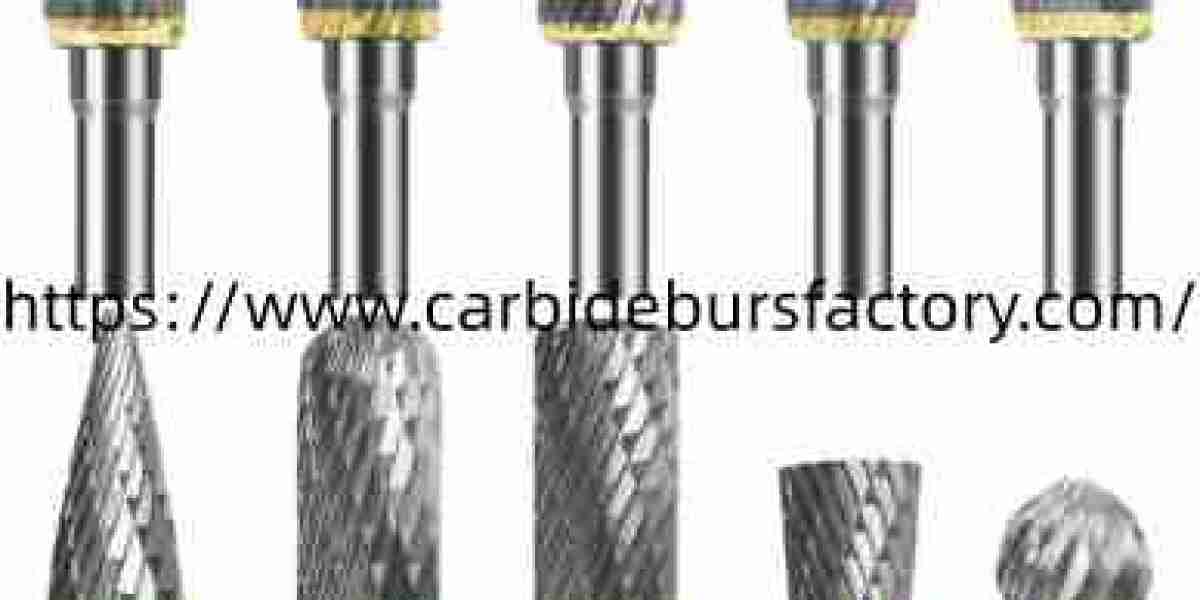

Carbide Rotary Tool selection should begin with the machining requirement rather than the product name alone. The material, workpiece shape, amount of material to remove, required surface condition, cutting profile, shank size, and operating equipment all affect the final choice. A practical selection process helps workshops match the cutting solution with the actual job and maintain consistent working habits across different applications.
Start With the Material
The workpiece material should be considered before choosing a cutting solution. Steel, stainless steel, cast iron, aluminum, brass, bronze, and hardened alloys have different cutting characteristics. A configuration suitable for one material may not provide the same working behavior with another.
Material hardness is particularly important when machining metal components. Harder materials can place greater stress on cutting edges, while softer materials may require attention to chip evacuation and surface loading.
Knowing the material grade and general hardness gives operators a useful starting point. It also helps narrow down suitable cutting patterns before considering other factors such as shape and diameter.
Consider the Workpiece Shape
The geometry of the component can determine which profile is easier to use. Flat surfaces, narrow channels, internal corners, curved sections, holes, and recessed areas may each require a different approach.
Cylindrical profiles can be suitable for relatively flat sections and narrow grooves. Ball-shaped forms can help with curved surfaces and recessed areas. Tapered profiles may be useful when access becomes restricted, while tree-shaped forms can support contour work and internal transitions.
The important point is to match the profile with the section being processed. When the shape corresponds with the work area, operators can maintain more stable contact and reduce unnecessary movement.
Match the Cutting Pattern
The tooth configuration influences how material is removed. Different patterns can produce different cutting behavior, chip formation, and surface results.
A double-cut configuration can be suitable for a range of general metalworking tasks. Other patterns may be selected when a particular material or finishing requirement calls for a different cutting action.
For softer metals, chip clearance can become an important consideration. Material that remains around the cutting edges may interfere with smooth operation. For harder metals, a suitable cutting structure can help manage contact between the workpiece and cutting edges.
This is why selection should be based on the material and intended operation rather than choosing one configuration for every application.
Choose the Appropriate Diameter
Diameter affects access, contact area, and operating conditions. Smaller profiles can reach narrow spaces and detailed sections, while larger profiles can provide broader contact on suitable surfaces.
The selected diameter should also correspond with the equipment being used. Spindle capacity, speed range, shank compatibility, and workpiece stability all need to be considered together.
Operating speed should not be selected independently of diameter. A change in diameter can affect the appropriate working conditions, so operators should check the recommended range associated with the selected product before starting a machining operation.
Define the Machining Objective
The intended result should guide the selection process. Removing a large amount of excess material is different from refining an edge or adjusting a small contour.
For rough material removal, the operator may require a configuration designed for steady cutting action. Deburring tasks can call for a profile that follows edges effectively. Weld cleanup may require access around irregular surfaces, while contour work benefits from a shape that follows the desired profile.
Separating these applications before purchasing can make the decision more straightforward. Instead of choosing based on general appearance, buyers can identify the exact area, material, and finishing requirement first.
Check Equipment Compatibility
The cutting solution must also match the equipment available in the workshop. Shank diameter, holder compatibility, spindle capacity, and operating speed should be checked before use.
Workpiece stability matters as well. A firmly secured component gives the operator better control and reduces unwanted movement during cutting. Excessive pressure should also be avoided because forcing the cutting edge into the material can increase heat and affect service life.
Controlled hand movement allows the cutting edges to engage the surface progressively. This approach is particularly useful when working around corners, openings, curved areas, or other detailed sections.
How Can Carbidebursfactory Support Machining Requirements?
Carbidebursfactory provides carbide cutting solutions for a variety of metalworking applications, including deburring, shaping, edge preparation, weld cleanup, and localized material removal. Different profiles and cutting configurations allow buyers to consider the requirements of their own workpieces before making a selection.
For workshops, the purchasing process can become more practical when several factors are evaluated together. Material type, component geometry, machining purpose, profile, tooth configuration, diameter, and equipment compatibility all contribute to the suitability of the final choice.
A considered selection can help operators avoid unnecessary changes during production and establish a more organized approach to routine machining work. Carbidebursfactory focuses on providing options that can be matched with different workshop requirements and component designs.
The available product range can be viewed directly at https://www.carbidebursfactory.com/product/