
Modern electrical equipment often operates in environments where moisture, temperature changes, dust, and limited installation space can create challenges for enclosure protection. In these situations, a Waterproof Breathable Valve can support controlled air exchange while helping limit moisture entry, while a Cable Gland Reducer Factory can provide practical components for adapting different connection dimensions. Selecting a suitable Waterproof Breathable Valve requires attention to enclosure conditions, membrane construction, mounting method, and expected exposure, while working with a dependable Cable Gland Reducer Factory can simplify the sourcing of reducers, connectors, and related cable-entry components. Together, these solutions can help equipment designers build cleaner, more adaptable, and easier-to-maintain cable management systems.
Protecting Enclosures Through Controlled Ventilation
A sealed enclosure is designed to separate internal electrical components from the surrounding environment, but complete isolation is not always practical. Changes in temperature can cause air inside an enclosure to expand or contract, creating pressure differences between the internal and external environments.
Without a suitable pressure-management solution, repeated pressure changes may place stress on seals and connection points. In some applications, this can also encourage moisture to move through small gaps.
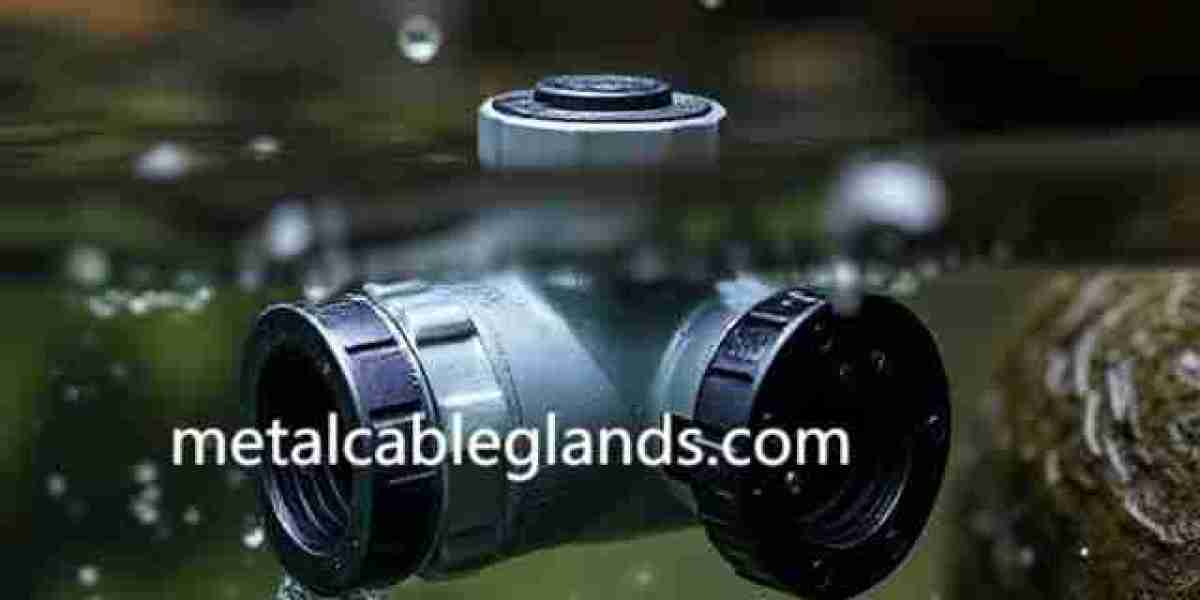
A breathable valve provides a controlled pathway for air movement while maintaining a barrier against external moisture and contaminants. This approach can be useful for outdoor control boxes, lighting equipment, communication devices, industrial sensors, electrical cabinets, and other enclosed systems.
The construction of the valve should match the working environment. Factors such as temperature variation, humidity, dust exposure, installation position, and available mounting space should all be considered before selection.
A compact design can be particularly useful where enclosure space is limited. At the same time, the component should remain accessible enough for inspection or replacement when necessary.
Flexible Cable Entry With Reducer Components
Cable entries are another important part of enclosure design. Different projects may involve cables with varying diameters, while the available threaded openings may follow a fixed specification.
A reducer can help bridge these dimensional differences and create a more practical connection between the enclosure opening and the selected cable gland or connector. This can give installers greater flexibility without requiring major changes to the enclosure structure.
Before choosing a reducer, several dimensions should be checked carefully. These include thread specifications, entry size, outlet size, cable diameter, component length, and available installation clearance.
Thread compatibility is especially important. Even a small difference in thread standards can affect assembly and sealing. Clear technical drawings and dimensional information therefore have significant value during the purchasing stage.
Material selection should also correspond with the application. Equipment used indoors may have different requirements from equipment installed outdoors, near machinery, or in areas with frequent exposure to humidity.
For distributors and system integrators, maintaining several commonly requested sizes can make project preparation easier. Standardized components can also simplify replacement work when an existing connection needs to be modified.
WisleyPneumatic Approach to Practical Component Selection
For cable management products, product consistency is closely connected with installation efficiency. A component that meets the specified dimensions and maintains stable quality from batch to batch can help reduce unnecessary adjustments during assembly.
Manufacturing begins with appropriate material selection and controlled processing. Dimensions, thread quality, surface finish, and component structure should correspond with the approved product specifications.
Sealing elements also deserve attention. Gaskets, membranes, and other protective parts need to be correctly positioned to perform their intended function.
Quality checks can include visual inspection, dimensional verification, thread inspection, and other tests according to the product design and application requirements. Such procedures help identify issues before products reach the customer.
Packaging is another practical consideration. Small cable-entry components can become mixed easily during transportation or storage if they are not properly separated and labeled.
Clear identification of sizes and specifications can make warehouse handling easier. It can also help installers quickly locate the correct component when working with multiple enclosure designs.
For repeat orders, keeping consistent technical specifications can simplify communication between buyers and suppliers. It also helps ensure that replacement components remain compatible with previously installed systems.
Improving Installation Efficiency and Maintenance
Installation efficiency is often influenced by small design details. Components that are easy to identify, position, and tighten can reduce unnecessary work during electrical assembly.
For cable entry systems, installers should first confirm the enclosure opening and cable dimensions. The reducer and cable gland can then be selected according to the required connection arrangement.
A well-planned installation should also leave enough space for tightening tools and future inspection. Components positioned too close together may be difficult to access, even when their individual dimensions are correct.
Maintenance requirements should be considered during the initial design stage. If a cable needs to be replaced later, accessible connection points can make the process considerably simpler.
Environmental exposure is another important factor. Outdoor installations may experience rain, humidity, temperature fluctuations, and airborne particles. Industrial environments may introduce vibration, dust, oil, or mechanical contact.
Selecting components according to actual operating conditions can help create a more practical system. Rather than focusing on one specification alone, engineers should consider the enclosure, cable, connection method, surrounding environment, and maintenance requirements as a complete system.
This approach can reduce compatibility problems and make future servicing more straightforward.
Building Better Cable Management Systems
A reliable cable management arrangement is more than simply connecting a cable to an enclosure. It involves protecting entry points, managing dimensional differences, considering environmental exposure, and leaving enough flexibility for installation and maintenance.
Breathable components can help address pressure differences in enclosed equipment, while reducer components can provide useful flexibility when cable-entry dimensions vary. Used as part of a carefully planned system, these components can support cleaner and more organized equipment construction.
For manufacturers, choosing standardized connection components can simplify production and inventory management. For distributors, clearly categorized products can make customer recommendations easier. For installers, accurate dimensions and practical designs can reduce unnecessary assembly adjustments.
Good technical communication also plays an important role. Buyers should provide information about thread specifications, cable dimensions, enclosure type, environmental conditions, and installation requirements whenever customized or project-specific solutions are being considered.
As electrical and industrial equipment becomes more compact, cable-entry design continues to require careful attention. Small components can have a meaningful effect on assembly quality, maintenance convenience, and overall enclosure organization.
A thoughtful selection process helps ensure that every component serves a clear purpose. By considering protection, ventilation, compatibility, installation space, materials, and long-term maintenance together, businesses can develop cable management arrangements that fit their equipment more naturally.For additional information about cable-entry and enclosure-related solutions, visit https://www.wisleypneumatic.com/ .